Chest Opener: How-to, Benefits & Variations
The chest opener stretches pectorals and front shoulders to reverse desk-posture rounding. Stand in a doorway, lean forward, hold 30 seconds.
Chest Opener: How-to, Benefits & Variations
Stand in a doorway. Place your forearms on the frame. Lean forward. Feel your chest stretch and your shoulders pull back for the first time all day. The chest opener counteracts the exact posture you hold while typing, driving, cooking, and scrolling. If you only do one stretch after a long workday, this is the one. Your shoulders, chest, and breathing will all thank you within thirty seconds.
Strength Fundamentals 6
Sophie Jones
How to Do Chest Opener
Start in the initial position for chest opener. Breathe steadily and find your alignment before moving deeper.
Move into the stretch slowly, following your breath. Never force past discomfort.
Hold the position for 20-30 seconds, breathing deeply into the stretch.
Release slowly and repeat on the other side if applicable.
Jessica Casalegno adds: "focus on opening up the chest, big inhales to open up, squeeze the shoulder blades together"
Muscles Worked
Primary
Secondary
Why this matters in perimenopause
declining estrogen reduces connective tissue elasticity, making stretching essential. The chest opener directly supports this by targeting key muscle groups.
Coach's Tips
"Walk our hands back a little bit further. We're gonna roll those shoulders back, and we're just gonna open up through the chest." - Beth Hannam
Beth Hannam
"Bring your arms behind your back, interlock your fingers, roll your shoulders, open your chest." - Petra Kapiciakova
Petra Kapiciakova
"focus on opening up the chest, big inhales to open up, squeeze the shoulder blades together" - Jessica Casalegno
Jessica Casalegno
"If you feel you need to pause and breathe into the stretch a little longer at any time, feel free to do so." - Mish Naidoo
Mish Naidoo
Why This Matters for You
declining estrogen reduces connective tissue elasticity, making stretching essential. The chest opener maintains mobility and reduces stiffness during a time when the body needs it most. Research supports regular stretching for women during the menopausal transition.
Variations & Modifications
Seated Chest Opener
lowStanding Single Arm Chest Opener
lowChest Opener Forward Fold
lowWarm-up: Chest Opener and Shoulder Rolls
lowWarm-up: Chest Openers & Cross Body Stretch
lowChest Openers with Spinal Integration
lowBenefits
Improves flexibility
Regular chest opener practice restores range of motion that desk work and daily habits gradually steal.
Supports your body through hormonal changes
declining estrogen reduces connective tissue elasticity, making stretching essential. The chest opener directly addresses this.
Requires minimal equipment
No equipment needed. You can do the chest opener at home, in a hotel room, or between meetings.
Common Mistakes to Avoid
Forcing the stretch past pain
Discomfort is acceptable. Sharp or stabbing pain is not. Back off until you feel a pull, not a stab.
Holding your breath during the hold
Breathe steadily and deeply. The stretch actually deepens when you exhale and relax into it.
Workouts Featuring This Exercise
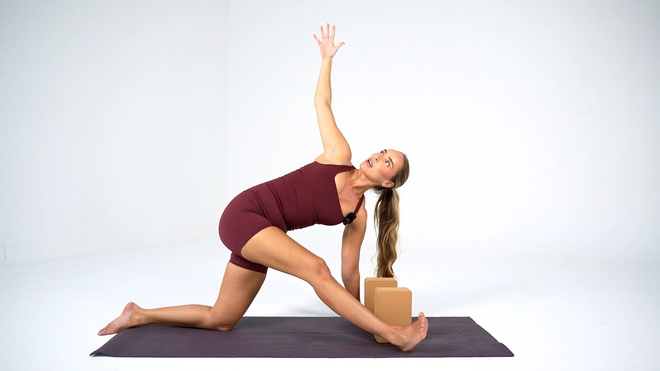
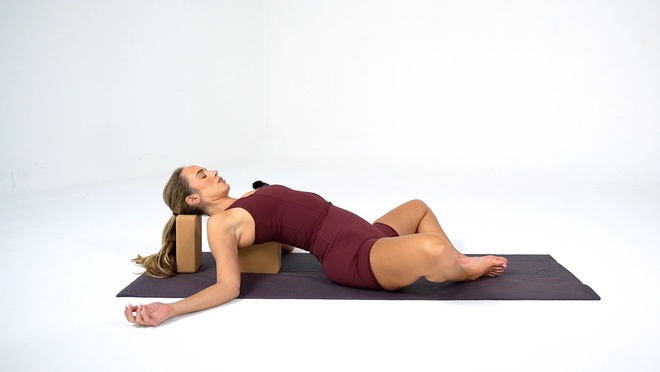
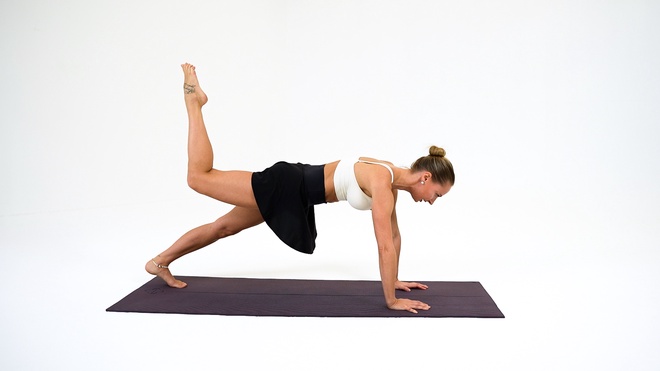
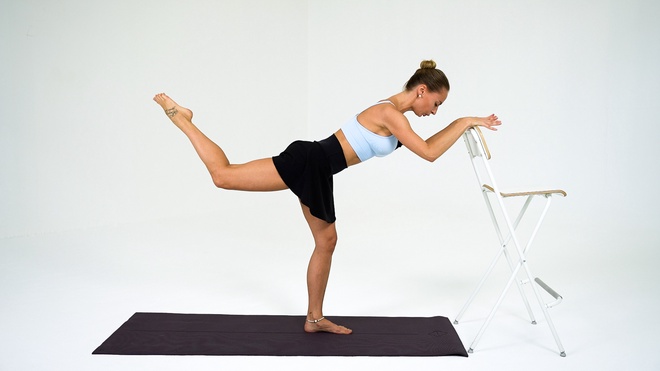
Join women building strength and confidence with certified trainers
Frequently Asked Questions
This exercise helps with
Get chest opener in a guided workout
Access 5 workouts featuring this exercise, plus personalized plans from Dr. Wellls.
Join women building strength and confidence with certified trainers
Your membership funds independent women's health research