Sumo Squat: How-to, Benefits & Variations
The sumo squat targets inner thighs, quads, and glutes with a wide stance. Easier on the back than conventional squats. Builds lower body strength.
Sumo Squat: How-to, Benefits & Variations
Take your regular squat stance and step your feet wide. Really wide. Turn your toes out. Now sit straight down. That stretch in your inner thighs? That's the sumo squat introducing you to muscles your regular squat has been ignoring for years.
The sumo squat targets the adductors, inner thigh muscles that conventional squats barely touch. It also keeps your torso nearly vertical, which means less stress on your lower back. For women who find barbell back squats uncomfortable, the sumo squat is often the answer they didn't know existed.
Full-Body Workouts: Total Body Conditioning 9
Yasmin Masri
How to Do Sumo Squat
Stand with feet significantly wider than shoulder-width, about 1.5 to 2 times hip width. Turn your toes out 45 degrees.
If using a dumbbell, hold it vertically in front of you between your legs, or hold it at your chest goblet-style. Bodyweight is fine too.
Brace your core. Pull your shoulders back and down. Keep your chest tall throughout the movement.
Push your hips back and bend your knees to lower your body. Your knees should track over your toes, pointing the same direction your feet point.
Lower until your thighs are parallel to the floor or slightly below. You should feel a deep stretch in your inner thighs at the bottom.
Drive through your heels and squeeze your glutes to stand. Avoid locking your knees at the top.
Muscles Worked
Primary
Adductors (inner thighs)
The wide stance places significantly more demand on the adductor magnus than a conventional squat. This is the sumo squat's primary differentiator.
Quadriceps
Drive knee extension during the upward phase. The wider stance slightly reduces quad demand compared to narrow-stance squats.
Glutes (maximus and medius)
Power hip extension and stabilize the pelvis in the wider stance. External rotation demand increases gluteus medius work.
Secondary
Core
Stabilizes the torso in the upright position. Less spinal loading than back squats.
Calves
Stabilize the ankle joint in the externally rotated foot position.
Why this matters in perimenopause
Women lose lean muscle mass progressively from their 30s, and the decline accelerates during perimenopause as estrogen levels drop. Regular resistance training directly counteracts this decline by stimulating muscle protein synthesis and providing mechanical loading for bone health.
Coach's Tips
"Keep your feet parallel to each other, and we squat down." That's Yasmin Masri's cue. This detail makes the difference between an effective rep and a wasted one.
Yasmin Masri
"You're actively opening the knees out. As soon as you start bending down, you wanna actively open the knee out." That's Yasmin Masri's cue. This detail makes the difference between an effective rep and a wasted one.
Yasmin Masri
If anything feels sharp rather than challenging, stop immediately. Drop the weight and check your form. Discomfort is fine. Pain is a message.
Start with bodyweight only until the movement feels natural. Add resistance gradually.
Why This Matters for You
The sumo squat directly addresses three perimenopause priorities: muscle preservation, bone loading, and metabolic health. Estrogen decline after 40 accelerates sarcopenia, the age-related loss of lean muscle that changes body composition, weakens joints, and slows metabolism. Resistance training is the strongest evidence-backed countermeasure.
A 2023 network meta-analysis of 19 RCTs involving 919 postmenopausal women found moderate-intensity resistance training 3 days per week significantly improved lumbar spine and femoral neck bone mineral density. The effect was most pronounced during the first 48 weeks, meaning early adoption matters. The sumo squat loads the exact skeletal sites and muscle groups that perimenopause targets first.
Variations & Modifications
Sumo Squat with Pulses
mediumVariation of the sumo squat that modifies the standard movement pattern for different training emphasis.
Sumo Squat to Upright Row (Round 2)
mediumVariation of the sumo squat that modifies the standard movement pattern for different training emphasis.
Sumo Squat to High Pull (Triple Pulse)
mediumVariation of the sumo squat that modifies the standard movement pattern for different training emphasis.
Sumo Squat into Upright Row
mediumVariation of the sumo squat that modifies the standard movement pattern for different training emphasis.
Benefits
Works the inner thighs like nothing else
Most squat variations barely touch the adductors. The sumo squat's wide, externally rotated stance makes the inner thighs a primary mover, not an afterthought.
Easier on the lower back than conventional squats
The upright torso position reduces spinal loading. If back squats aggravate your lower back, the sumo squat gives you a heavy lower body option that keeps your spine nearly vertical.
Builds hip mobility under load
The deep, wide stance progressively improves hip range of motion while strengthening the muscles at end range. Flexibility through strength, not just passive stretching.
Translates to daily movement
Picking up heavy objects from the floor, getting in and out of low chairs, playing on the floor with kids. The sumo squat pattern shows up in daily life more than most people realize.
Common Mistakes to Avoid
Knees collapsing inward
If your knees cave in, your glute medius is weak. Actively push your knees out over your pinky toes. A band above the knees during warm-up sets trains this pattern.
Leaning forward at the torso
The sumo squat should be mostly vertical. If you lean forward, your stance might be too wide for your current hip mobility. Narrow it slightly.
Not going deep enough
The adductors only engage fully at depth. If you stop above parallel, you are missing the entire point of choosing a sumo stance over a regular squat.
Toes turned out too far
45 degrees is the maximum for most bodies. Going wider than your hip anatomy allows creates knee and ankle stress. Your toes and knees must point the same direction.
Workouts Featuring This Exercise
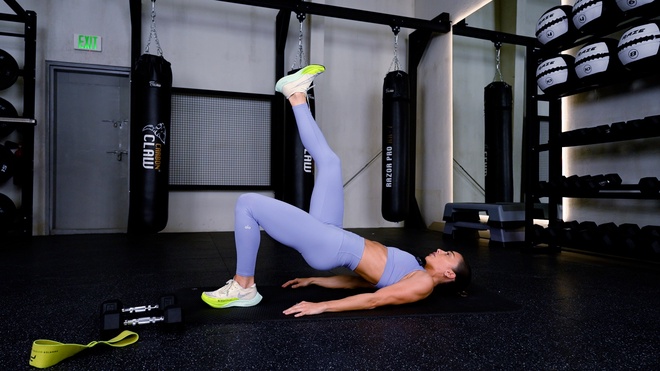
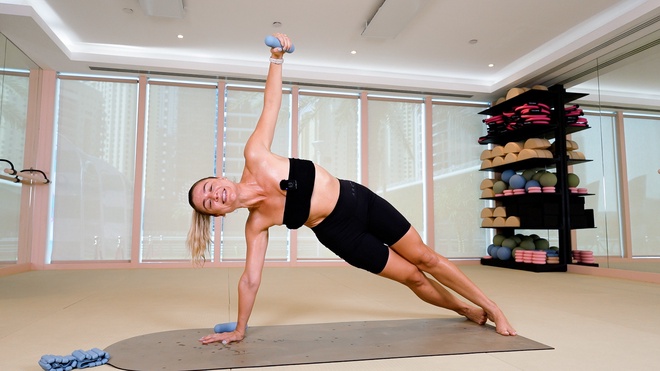
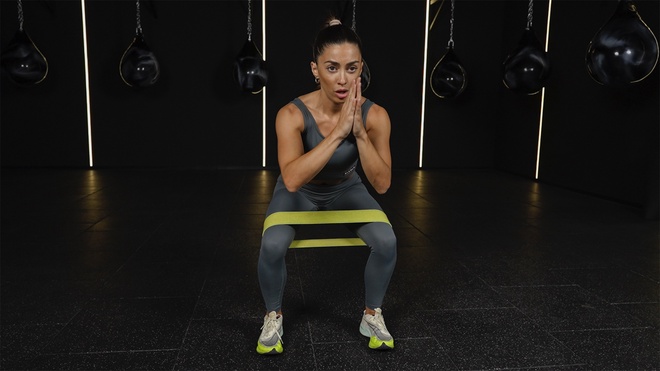
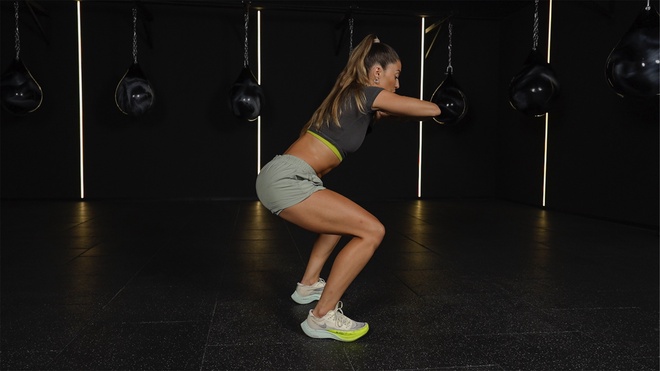
Join women building strength and bone density with certified trainers
Frequently Asked Questions
Related Exercises
Romanian Deadlift
Complements the sumo squat by targeting related muscle groups and movement patterns.
Bulgarian Split Squat
Complements the sumo squat by targeting related muscle groups and movement patterns.
Goblet Squat
Complements the sumo squat by targeting related muscle groups and movement patterns.
Squat
Complements the sumo squat by targeting related muscle groups and movement patterns.
Hamstring Stretch
Complements the sumo squat by targeting related muscle groups and movement patterns.
This exercise helps with
Get sumo squat in a guided workout
Access 4 workouts featuring this exercise, plus personalized plans from Dr. Wellls.
Join women building strength and bone density with certified trainers
Your membership funds independent women's health research