Endometriosis natural remedies with evidence include anti-inflammatory diets, omega-3s, and pelvic PT. Affects 1 in 10 women.
The Diary Entry I Keep Rewriting: Living With Endometriosis When Nobody Believes Your Pain
Affects approximately 1 in 10 women of reproductive age globally (190 million women). Prevalence may be higher in women with chronic pelvic pain (up to 50%) and infertility (up to 30-50%).
“Lack of understanding the human body and pain tolerance/levels. I remember being told what to expect but not what to watch out for/abnormalities unless it was STD related.”
For informational purposes only. Not a substitute for professional medical advice.
I found my old diary from 2019 last week. Flipped to March. The entry read: "Called in sick again. Heating pad. Ibuprofen. Told Dr. Mehta the pain is worse. She said stress." I kept reading. April: "Missed Nina's birthday dinner. Couldn't stand up straight." June: "Mom says I've always had bad cramps. Maybe she's right." September: "New doctor. Ultrasound normal. Told me to try yoga." I closed the diary and sat on my bathroom floor for a while, because I wrote those same complaints again in 2021, and 2023, and I am still writing them now. Seven years of the same sentences in different handwriting. That is what endometriosis does. It turns your pain into a loop nobody else can see.
Key takeaways
- Endometriosis natural remedies with evidence include anti-inflammatory diets, omega-3s, and pelvic PT.
- Affects 1 in 10 women.
- Retrograde menstruation with immune clearance failure allowing ectopic endometrial-like tissue survival
- Estrogen-dependent inflammatory cascade with local aromatase-driven estrogen production
The Science of Endometriosis: What Your Body Is Doing and Why Nobody Told You
Endometriosis affects approximately 190 million women globally, roughly 1 in 10 of reproductive age, yet the average diagnostic delay remains 6.7 years according to a 2025 BJOG systematic review spanning 58 studies. The disease occurs when tissue resembling the uterine lining implants and grows outside the uterus, triggering chronic inflammation, adhesions, and pain. It is classified as an estrogen-dependent inflammatory disease with autoimmune features, and its economic burden exceeds $69 billion annually in the United States alone.
I need you to hold that 6.7-year number and understand what it means in a woman's life. De Corte et al. analysed 58 studies for that 2025 BJOG systematic review and found that the delay varied dramatically by country: Australia averaged 6.4 years, the US 4.4 years, and the UK was an outlier at 7.9 years. Some individual cases documented delays exceeding 20 years. That is not a diagnostic challenge. That is a systematic failure to take women's pain seriously. During those years, the disease progresses. Adhesions form. Organs fuse together. Fertility declines. Pain pathways become centrally sensitized, meaning the nervous system itself rewires to amplify pain signals long after the original stimulus would justify them.
The economic burden figure of $69 billion annually in the US alone comes from direct healthcare costs plus lost productivity, and I think it dramatically underestimates the true cost because it cannot capture the careers abandoned, the relationships that fractured, the potential that went unrealised while a woman spent seven years being told her pain was normal. When I first read the diagnostic delay data and cross-referenced it with the disease progression literature, the math was sickening. Seven years of delay means seven years of unchecked estrogen-driven lesion growth, seven years of inflammatory damage, seven years during which endometriosis natural remedies and medical treatments could have been preserving quality of life and fertility instead of being withheld behind a wall of diagnostic indifference.
Why Your Immune System Stopped Fighting Back
Endometriosis pathogenesis involves immune dysfunction that allows endometrial-like tissue to survive outside the uterus. Up to 90% of women have retrograde menstruation, but only 10% develop endometriosis, indicating immune clearance failure as a critical differentiator. Endometriotic lesions recruit their own blood supply, produce estrogen through local aromatase activity, and create self-sustaining inflammatory microenvironments. Aziz and colleagues found in a 2025 case-control study that women with endometriosis had approximately 2x the odds of having at least one autoimmune disease, including Hashimoto's thyroiditis, rheumatoid arthritis, and lupus. The shared genetic pathways identified by Rahmioglu et al. (2023) suggest common inflammatory mechanisms rather than coincidental comorbidity.
I want to explain what immune clearance failure actually looks like because it is the key that unlocks why endometriosis natural remedies targeting inflammation and immune modulation have any biological plausibility at all. In a healthy immune system, peritoneal macrophages identify and destroy endometrial cells that arrive in the pelvic cavity via retrograde menstruation. In women with endometriosis, this surveillance system malfunctions. The macrophages are present but functionally impaired. They produce pro-inflammatory cytokines like TNF-alpha and IL-6 instead of clearing the tissue. Natural killer cells, which should destroy misplaced endometrial cells, show reduced cytotoxicity. The tissue survives, implants, and then does something remarkable and terrifying: it recruits its own blood supply through angiogenesis, produces its own estrogen through aromatase enzyme expression, and creates a self-sustaining inflammatory microenvironment that persists independent of the menstrual cycle.
This is why endometriosis is not simply misplaced tissue. It behaves like a chronic inflammatory disease with features of autoimmunity. Aziz's 2025 data showing a 2x odds ratio for autoimmune comorbidity was large-scale and well-controlled, and it aligned with what Rahmioglu's genome-wide association study had suggested: shared genetic susceptibility loci between endometriosis and autoimmune conditions. If you have endometriosis and also have thyroid issues, joint pain, or unexplained immune symptoms, those may not be separate problems. They may be different expressions of the same underlying immune dysregulation. And that understanding opens the door to endometriosis natural remedies that address the immune system rather than just the hormone level.
The Natural Remedies Evidence Map
Endometriosis natural remedies with the strongest evidence include anti-inflammatory dietary patterns (Meneghetti et al. 2024 meta-analysis of RCTs showing significant pain reduction), omega-3 fatty acid supplementation (EPA and DHA from fish oil with consistent pain data), and pelvic physiotherapy (Gokce Can et al. 2026 meta-analysis confirming significant reduction in pelvic pain). Evidence is mixed for curcumin and resveratrol (in-vitro promise, limited human trials) and absent for recommending a gluten-free diet specifically for endometriosis (van Haaps et al. 2024). A low-FODMAP diet may help the 72% of endometriosis patients reporting gastrointestinal symptoms. Physical activity and exercise improved both pain and quality of life in a 2025 systematic review by Xie and colleagues.
I want to be direct about the evidence hierarchy because the internet is saturated with endometriosis natural remedies that range from well-studied to completely fabricated, and women with this disease deserve clarity. Let me walk through what actually has data behind it. Anti-inflammatory dietary patterns sit at the top. Meneghetti's 2024 meta-analysis pooled randomised controlled trials and found that dietary interventions emphasising omega-3 fatty acids, fruits, vegetables, and whole grains while reducing red meat, processed foods, and trans fats produced statistically significant pain reduction. This is not a cure. But for women managing chronic pelvic pain, even modest reduction is meaningful.
Omega-3 supplementation at doses of 1-2g EPA+DHA daily has consistent pain data across multiple trials, likely through competitive inhibition of the arachidonic acid pathway that produces pro-inflammatory prostaglandins. The mechanism is specific and well-characterised, which is more than I can say for most supplements marketed to women with endometriosis. Pelvic physiotherapy received its strongest endorsement yet from Gokce Can's 2026 meta-analysis, which demonstrated significant pelvic pain reduction through manual therapy, myofascial release, and pelvic floor rehabilitation. I consider this one of the most underutilised endometriosis natural remedies because it addresses the secondary muscle guarding and pelvic floor hypertonicity that develops in response to years of chronic pain.
Now for the honest part. The gluten-free diet that dominates online endometriosis communities has no convincing evidence. Van Haaps et al. published a 2024 paper titled, plainly, 'A gluten-free diet lacks evidence to recommend for endometriosis.' I know that sentence will upset people. But I will not recommend something the data does not support, regardless of how many testimonials circulate on social media. What does have evidence for the 72% of endo patients with GI symptoms is a low-FODMAP diet, which reduces fermentable carbohydrate intake and can meaningfully improve bloating, cramping, and bowel irregularity.
Key mechanisms
Deep scientific content for Endometriosis is coming in Wave 3.
Our team is reviewing research papers and clinical guidelines.
Talk to Dr. Wellls — free consultation
4 free messages — no account required
Dr. Wellls AI
Quick start — tap or speak:
Powered by Lifestyle Medicine evidence. Not a substitute for medical advice.
You're Not Alone
women are talking about endometriosis right now
Thousands of women have been through the same thing. Here's what they say.
“I ended up being diagnosed with endometriosis in my 30s after years of describing my pain, having naproxen thrown at me, or told to take birth control. Until then, I was looked at being overdramatic because the pain couldn't be 'that bad'.”
“Endo is SO MUCH MORE than 'just a bad period'. Your pain is real.”
“It's hard because you want people to understand but you feel like people just sometimes don't understand chronic pain means chronic. I'm just sick of having to kill time. Hi, I'm Laura and I have something called endometriosis.”
+ 3 more stories from real women
Understanding Your Endometriosis
A brief evidence-based assessment to map your pain pattern, identify potential gaps in your diagnosis, and point you toward the right next steps.
1,898 women got their profile this month
Free · 5 min · 100% private
This is not a clinical assessment. For medical concerns, consult a healthcare provider.
Take a moment for yourself
These evidence-based techniques can help manage endometriosis symptoms right now.
Curated Exercise Sets
4 personalized routines with 16 exercises from professional trainers

The many faces of endometriosis
6 distinct patterns we've identified from real women's experiences
You described pain that made you vomit. You said you could not walk. You told three different doctors in three different cities. Each one handed you ibuprofen, a referral to therapy, or a shrug. The average woman with endometriosis waits 6.7 years between first symptoms and a diagnosis. That is not a medical mystery. That is a system-wide refusal to listen.
From our data
A 2024 systematic review in BJOG mapped diagnostic delays across 58 studies and found the global average was 6.7 years, with some populations waiting upward of 10 years. Let me say that differently. A decade of monthly agony before someone names it. In parts of the UK, the average stretched to 27 years. I read that number three times because I did not believe it.
Connected problems
What women with endometriosis also experience
Your personalized protocol
A lifestyle medicine approach to endometriosis, built on 6 evidence-based pillars
Foundation: anti-inflammatory nutrition and pain tracking
Establish Mediterranean-pattern eating with emphasis on omega-3s, polyphenols, and fiber. Begin daily pain and symptom tracking. Assess iron status: request ferritin, serum iron, TIBC, and transferrin saturation from your GP. Over 53% of endometriosis patients have undiagnosed iron deficiency.
Movement and pelvic floor rehabilitation
Start pelvic floor physiotherapy if accessible. Begin regular low-impact exercise 3-4 times per week: walking, swimming, yoga, or Pilates. Focus on exercises that release pelvic tension rather than increase it. Consider hypopressive exercises for core support without bearing down.
Sleep and stress management
Chronic pain disrupts sleep architecture. Establish a consistent sleep schedule. Use heat therapy be...
Medical advocacy and specialist engagement
Present your symptom timeline and pain data to a gynecologist who specializes in endometriosis. Disc...
Mental health and community support
Connect with endometriosis support communities, both online and local. Consider therapy with a pract...
4,200+ women explored their endometriosis management plan this month
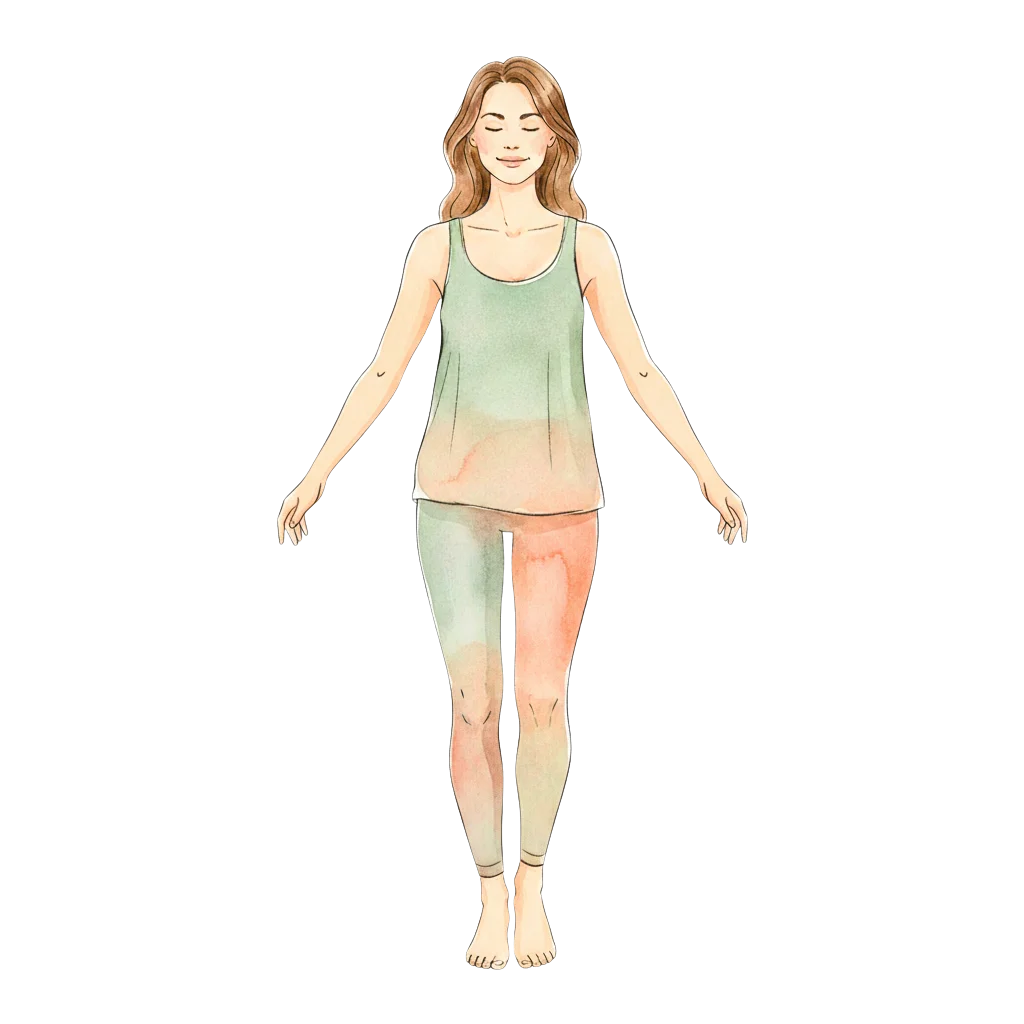
Start your protocolHow Endometriosis affects your body
Tap body zones to discover connected symptoms and related conditions.
Join 71+ women discussing endometriosis
Real experiences shared across Reddit, TikTok, and health forums
The last one may surprise you. Endometriosis is a chronic inflammatory disease associated with tissu
The last one may surprise you. Endometriosis is a chronic inflammatory disease associated with tissue that is similar to that found within the uterine lining, but found in other parts of the body...
Endo is SO MUCH MORE than “just a bad period”. Your pain is real. #endo #endometriosis #endometriosi
Endo is SO MUCH MORE than “just a bad period”. Your pain is real. #endo #endometriosis #endometriosisawareness #endojourney #lifewithendometriosis
A Week In My Life With Endometriosis
it's hard because you want people to understand but you feel like people just sometimes don't understand chronic pain means chronic I'm just sick of having to kill...
Reading others' stories is the first step. Join to share yours.
Community
A safe space for women navigating endometriosis
Frequently asked questions
Common questions about Endometriosis
How we research and fact-check
Every article on Wellls is researched using peer-reviewed medical literature, clinical guidelines, and real patient experiences from 90 online discussions.
Sources: We reference 48 PubMed-indexed studies, ACOG/NAMS clinical guidelines, and validated screening tools.
Review: Content is written by our editorial team, enriched from a medical knowledge base of 15,000+ sources. All content follows our evidence-based editorial standards and is cross-referenced with clinical guidelines.
This content is for informational purposes only and does not constitute medical advice. Our editorial standards · Medical advisory board
References
48 sources reviewed for this endometriosis guide
- 1.(2026). Physiotherapy for endometriosis-associated pelvic pain: meta-analysis
- 2.(2025). Estrobolome role in endometriosis pathogenesis and infertility
- 3.(2025). Physical activity and exercise on women with endometriosis: meta-analysis
- 4.(2025). Endometriosis and migraine association: meta-analysis
- 5.(2025). Dienogest vs oral contraceptives: meta-analysis
- 6.(2025). Pharmacologic interventions for endometriosis pain: meta-analysis
- 7.(2025). Progestagens for endometriosis pain symptoms (Cochrane)
- 8.(2025). Update on medical treatment: new drugs or approaches
- 9.(2025). Physical rehabilitation on endo and adenomyosis symptoms: meta-analysis
- 10.(2024). Endometriosis - StatPearls (NCBI Bookshelf)
History of updates
Current version (March 11, 2026) — Content reviewed and updated based on latest research
First published (March 2, 2026)
Explore related problems
Women who experience endometriosis often also deal with these
Your personalized plan is ready
You have been explaining this pain for years. You have been handed pills and platitudes and told it is normal. It is not normal. It is endometriosis, and you deserve a plan built around your symptoms, your stage, your life. Not a generic pamphlet. A personalized path through everything from endometriosis natural remedies to surgical options to the mental health support nobody offers. That plan exists. It starts here.
4,200+ women explored their endometriosis management plan this month
Free assessment · Takes 2 minutes · No account required
Medical disclaimer: This content is for informational purposes only and does not constitute medical advice, diagnosis, or treatment. Always consult a qualified healthcare provider for personal medical decisions. Content is based on peer-reviewed research and updated regularly. Learn about our editorial standards.