Only 7% of eligible women receive HRT despite evidence of safety when started within 10 years of menopause. Estrogen patches bypass first-pass liver metabolism.
Why is it so hard to get HRT? The access barrier women face.
Only about 6% of eligible postmenopausal women in the US currently use HRT, despite 80-85% experiencing menopause symptoms that could benefit from treatment.
“I have spent 2 years asking my oncologists to help me with HRT after cancer treatment launched me into menopause at 32. I was repeatedly recommended antidepressants and acupuncture instead. The specialist I needed? HE WORKS ON THE SAME FLOOR AS MY ONCOLOGISTS, who repeatedly ignored my request.”


Dr. A. Rybakova, Dr. A. Rybakov · Lifestyle Medicine
For informational purposes only. Not a substitute for professional medical advice.
She knows what she needs. That's the cruelest part. She's read the studies. She's listened to the podcasts. She's sat in three different waiting rooms, printed out the NAMS position statement, rehearsed her lines on the drive over. And still, the doctor looked at her over his glasses and said, 'Let's try an antidepressant first.' HRT prescriptions have jumped 72% since 2021 because the science finally caught up to what women have been begging for. But knowing the solution exists and actually getting a prescription in your hand are two entirely different battles, separated by decades of bad data, undertrained providers, and a medical system that spent twenty years scaring women away from the single most effective treatment for menopause symptoms.
Key takeaways
- Only 7% of eligible women receive HRT despite evidence of safety when started within 10 years of menopause.
- Estrogen patches bypass first-pass liver metabolism.
- WHI misinterpretation and 20-year prescribing collapse
- Route of delivery: transdermal vs oral estrogen pharmacokinetics
The Science of HRT Access: What Your Doctor Should Have Told You
A woman I'll call Sofia told me she spent eighteen months trying to get an estrogen patch. Eighteen months. She'd done her research. She'd read Avrum Bluming's 'Estrogen Matters.' She'd listened to every episode of Dr. Mary Claire Haver's podcast. She walked into her gynecologist's office with the NAMS 2022 position statement printed out and highlighted.
Her doctor glanced at it, put it aside, and said, 'I'm not comfortable prescribing hormone therapy. Have you considered yoga?'
Sofia is 49. She hasn't slept more than four hours straight in two years. Her joints ache so badly she stopped running, the thing she'd done every morning for twenty years. She has hot flashes that drench her sheets. She told me she Googled 'how to get HRT online' at 2 AM on a Tuesday, sitting in her car in the garage because she didn't want to wake her husband with another night of pacing.
This is not a story about one bad doctor. It's a story about a system that spent twenty years terrifying providers about a treatment their own professional organizations now recommend. HRT prescriptions are up 72% since 2021 according to EPIC Research data, but that surge is being driven by informed women fighting for themselves, not by a medical establishment that's suddenly caught up. The system is trailing. Women are dragging it forward. Hormone replacement therapy is the most effective treatment for menopausal vasomotor symptoms, and the barriers to accessing it are structural, not medical.
How twenty years of fear became the standard of care
To understand why your doctor says no to HRT, you have to understand the Women's Health Initiative. Not the study itself, but the press conference.
In July 2002, WHI investigators held a press conference to announce they were stopping the estrogen-plus-progestin arm of the trial early. The headlines were devastating. 'Hormone Replacement Therapy Causes Breast Cancer, Heart Disease, Stroke.' That night, millions of women called their doctors. Within months, 80% of HRT prescriptions in America were discontinued.
But here's what the press conference didn't say. The women in the study averaged 63 years old. Most were more than a decade past menopause. Many had pre-existing cardiovascular disease. The study was designed to test whether HRT prevented heart disease in older women, not whether it was safe for symptomatic women in early menopause.
JoAnn Manson, one of the trial's principal investigators, has spent the last twenty years publishing corrections. Her 2024 JAMA review called the original interpretation an oversimplification. The 2017 reanalysis showed that women aged 50-59 who took estrogen alone had a 27% reduction in all-cause mortality. Not increased risk. Reduced risk.
(I want to say that number again because it deserves to land. Women in the treatment group were 27% less likely to die from any cause. And we spent two decades telling women not to take it.)
Philip Sarrel's modeling at Yale estimated between 18,000 and 91,000 excess deaths among women 50-59 who were denied estrogen therapy in the decade following the WHI announcement. When Avrum Bluming, a breast cancer oncologist, reviewed the same data, he concluded that the WHI was 'not wrong but wrongly interpreted, and that misinterpretation caused more harm than the therapy ever could.'
In November 2025, the FDA finally removed the black box warnings from menopausal hormone therapy. Twenty-three years after they were added. I don't have a generous way to describe that delay. Women died because bureaucracy moves slowly and fear compounds faster than evidence.
The estrogen patch, the pill, the gel: why route matters more than your doctor admits
There's a conversation about HRT types that almost never happens in the exam room, and it should happen before any prescription is written.
I remember trying to explain the differences to a friend who'd been handed a prescription for Premarin with zero context. She didn't know there were options. Most women don't. So let me lay them out.
Oral estradiol passes through your liver before reaching circulation. That hepatic first pass triggers changes in clotting factors, specifically increasing coagulation proteins. For most healthy women under 60, the absolute risk is small. But for women with obesity, migraine with aura, clotting history, or elevated cardiovascular risk, it matters.
The estrogen patch delivers estradiol through the skin directly into the bloodstream. No liver. No first pass. No clotting factor changes. Shufelt and Manson's 2021 paper in the Journal of the American Heart Association specifically highlighted that formulation, dose, and route of delivery all determine cardiovascular outcomes. The British Menopause Society calls transdermal estrogen 'clot-neutral.' That's a significant distinction that most primary care doctors never mention.
Estrogen gel works the same way as the patch but absorbs differently. Some women prefer it. Some find it messy. The pharmacokinetics are similar enough that NAMS considers them interchangeable for most patients.
Vaginal estrogen is a separate category entirely. Low-dose vaginal estrogen treats genitourinary syndrome of menopause, the dryness and tissue changes and urinary symptoms that affect up to 84% of postmenopausal women. The Kaufman et al. 2024 AUA/SUFU/AUGS guideline specifically recommends vaginal estrogen as first-line treatment. It has minimal systemic absorption. The FDA's own advisory panel noted it does not require a progestogen for endometrial protection. And yet, I still talk to women whose doctors won't prescribe it because of vague 'hormone concerns.' That's not caution. It's ignorance.
(Bear with me for one more paragraph of pharmacology, because this is the part that affects your actual prescription.)
Progesterone is required if you have a uterus, to protect the endometrium from unopposed estrogen stimulation. Micronized progesterone, sold as Prometrium, is body-identical. Medroxyprogesterone acetate, the synthetic progestin used in the WHI, is not. Lalitkumar's 2023 study showed fundamentally different breast cancer gene expression between the two. The Norwegian cohort study of 1.3 million women by Stoer et al. found the type of progestogen meaningfully affects breast cancer risk. If your doctor prescribes Provera instead of Prometrium without explaining why, ask. This is a core aspect of hormone replacement therapy that deserves clinical attention. The evidence supporting hormone replacement therapy for appropriate candidates has been consistent across multiple reanalyses and follow-up studies.
Key mechanisms
Deep scientific content for Hrt access is coming in Wave 3.
Our team is reviewing research papers and clinical guidelines.


Talk to Dr. Wellls — free consultation
4 free messages — no account required
Dr. Wellls AI
Quick start — tap or speak:
Powered by Lifestyle Medicine evidence. Not a substitute for medical advice.
You're Not Alone
women are talking about hrt access right now
Thousands of women have been through the same thing. Here's what they say.
“HRT has changed my gotdang life and I want to burn the U.S. healthcare system to the ground. I have spent the last 2 years asking the oncologists leading my care to help me. Everyone on my care team was super hesitant about even talking about HRT in my...”
“Bio-identical hormones have literally changed my life. But I have one question for those on them.”
“I am a TOTALLY DIFFERENT PERSON since I started HRT. Tendinitis and joint pain has all but disappeared. Hot flashes, gone. Brain fog, lifted. Mood and energy, high as hell. Motivation and will to live, skyrocketing.”
+ 3 more stories from real women
Understanding Your HRT Access Barriers
A brief assessment to understand where you are in the HRT journey: what is blocking you, what fears may be based on outdated data, and what your next concrete step should be.
2,242 women got their profile this month
Free · 5 min · 100% private
This is not a clinical assessment. For medical concerns, consult a healthcare provider.
Take a moment for yourself
These evidence-based techniques can help manage hrt access symptoms right now.
Curated Exercise Sets
4 personalized routines with 16 exercises from professional trainers

The many faces of hrt access
5 distinct patterns we've identified from real women's experiences
You walked in prepared. You had your symptom journal, your lab results, your list of questions. And your doctor still said no. Not because you don't qualify. Because they were trained on a study from 2002 that the researchers themselves have spent two decades correcting.
From our data
Here's a number that should make you furious: only 20% of OB-GYN residency programs in the United States include formal menopause training. One in five. That means four out of five gynecologists graduated without being taught how to prescribe the most effective treatment for the condition that will affect every single one of their female patients.
Connected problems
What women with hrt access also experience
Your personalized protocol
A lifestyle medicine approach to hrt access, built on 6 evidence-based pillars
Secure your HRT access pathway
Complete provider search, initial consultation, or appointment booking. If using telehealth, complete intake forms and any required lab work. If switching providers, request records transfer. This is the structural step that enables everything else.
Begin HRT and establish movement baseline
Start prescribed HRT following provider instructions. Simultaneously establish 150 minutes per week of moderate exercise. Walking counts. Yoga counts. The combination of HRT plus exercise produces better outcomes than either alone for vasomotor symptoms, mood, sleep, and bone density (Platt et al. 2024 scoping review).
Optimize sleep architecture
HRT often improves sleep within 2-4 weeks, but support it: consistent sleep-wake times, bedroom temp...
Anti-inflammatory nutrition protocol
Prioritize Mediterranean-pattern eating: olive oil, fatty fish 2-3x per week, diverse vegetables, nu...
Build your menopause support network
Join an online or local menopause support community. Share your HRT access story. Connect with other...
Reassess and recalibrate with your provider
Schedule follow-up with your HRT provider. Report symptom changes, any side effects, questions about...
4,200 women explored their HRT access plan this month
Start your protocolHow Hrt access affects your body
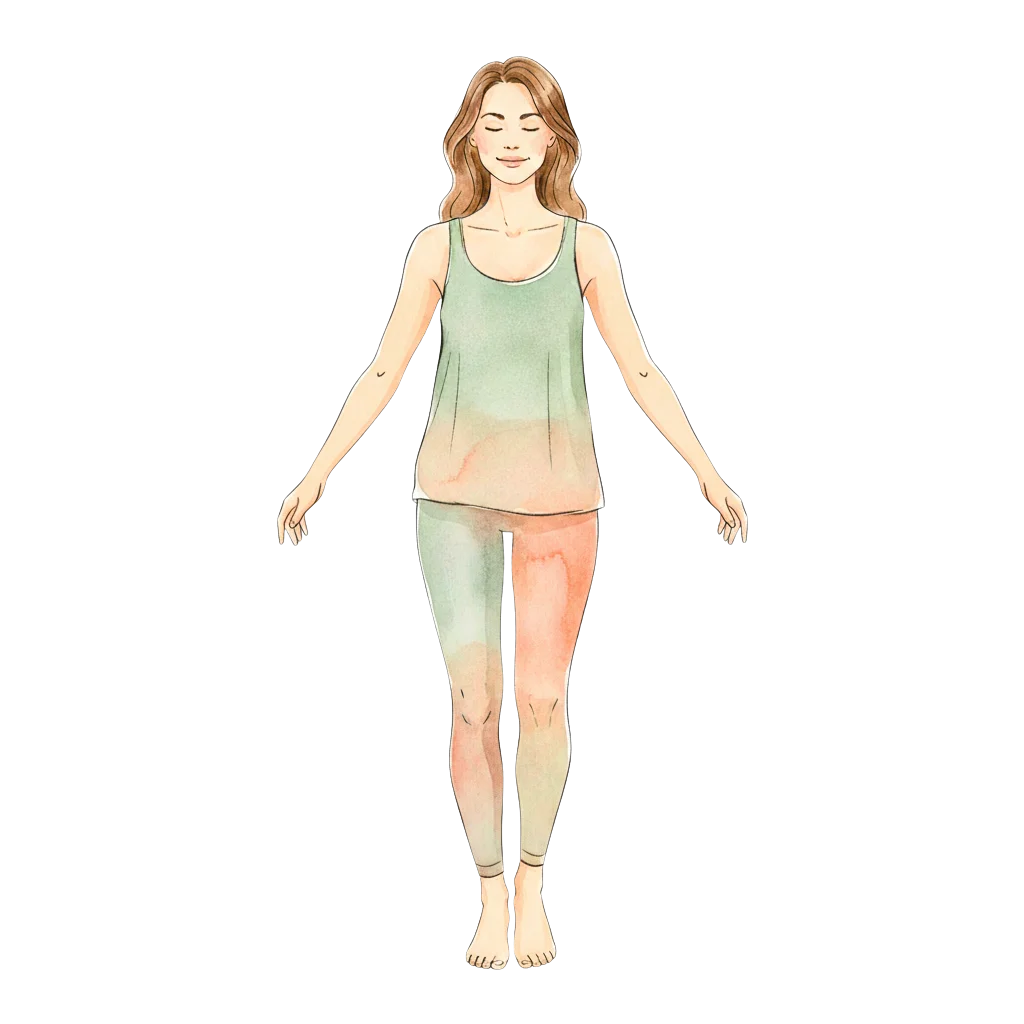
Tap body zones to discover connected symptoms and related conditions.
Join 62+ women discussing hrt access
Real experiences shared across Reddit, TikTok, and health forums
HRT has changed my gotdang life and I want to burn the U.S. healthcare system to the ground
HRT has changed my gotdang life and I want to burn the U.S. healthcare system to the ground Long story long, I had and was treated for late stage cervical cancer 2 years ago at age 32 (currently...
Bio-identical hormones have literally changed my life. But I have one question for those on them.
Bio-identical hormones have literally changed my life. But I have one question for those on them.
Started HRT right away. No regrets.
Started HRT right away. No regrets.
Reading others' stories is the first step. Join to share yours.
Community
A safe space for women navigating hrt access
Frequently asked questions
Common questions about Hrt access
How we research and fact-check
Every article on Wellls is researched using peer-reviewed medical literature, clinical guidelines, and real patient experiences from 139 online discussions.
Sources: We reference 54 PubMed-indexed studies, ACOG/NAMS clinical guidelines, and validated screening tools.
Review: Content is written by our editorial team, enriched from a medical knowledge base of 15,000+ sources. Evidence standards and clinical methodology guided by our Medical Advisory Board: Dr. Alexandra Rybakova and Dr. Alexander Rybakov, Lifestyle Medicine Physicians with 35+ years combined clinical practice.
This content is for informational purposes only and does not constitute medical advice. Our editorial standards · Medical advisory board
References
54 sources reviewed for this hrt access guide
- 1.The WHI Randomized Trials and Clinical Practice: A Review [PubMed]
- 2.The 2022 Hormone Therapy Position Statement of NAMS [PubMed]
- 3.The 2023 Nonhormone Therapy Position Statement of NAMS [PubMed]
- 4.2016 IMS Recommendations on Women's Midlife Health and MHT [PubMed]
- 5.MHT and Cardiovascular Disease: Role of Formulation, Dose, Route [PubMed]
- 6.Estrogen Matters: Why Taking Hormones Can Improve Women's Well-Being [Book]
- 7.The New Menopause (Dr. Mary Claire Haver) [Book]
- 8.The Definitive Guide to Perimenopause and Menopause (Dr. Louise Newson) [Book]
- 9.Effectiveness and Safety of HRT: A Meta-Analysis [PubMed]
- 10.A Contemporary View of Menopausal Hormone Therapy [PubMed]
History of updates
Current version (March 11, 2026) — Content reviewed and updated based on latest research
First published (February 18, 2026)
Explore related problems
Women who experience hrt access often also deal with these
Your personalized plan is ready
You've spent months, maybe years, trying to get someone to listen. Fighting for appointments. Printing out studies. Rehearsing what to say. The Wellls Doctor already knows the NAMS guidelines, the HRT types, the evidence. She won't make you prove you deserve treatment. She'll help you build your access plan in under ten minutes.
4,200 women explored their HRT access plan this month
Free assessment · Takes 2 minutes · No account required
Medical disclaimer: This content is for informational purposes only and does not constitute medical advice, diagnosis, or treatment. Always consult a qualified healthcare provider for personal medical decisions. Content is based on peer-reviewed research and updated regularly. Learn about our editorial standards.