Perimenopause in your 30s affects 3.5% of women before 40. Diagnosis needs FSH above 25 IU/L plus menstrual irregularity per ESHRE 2024.
Am I Going Through Menopause Too Young?
Premature ovarian insufficiency affects 3.5% of women (ESHRE 2024). Early menopause (ages 40-44) affects 8-12% of women globally.
“Women who went into menopause early, what are some you wish they told you? What would be your advice?”


Dr. A. Rybakova, Dr. A. Rybakov · Lifestyle Medicine
For informational purposes only. Not a substitute for professional medical advice.
She was thirty-four. Sitting in her car outside a fertility clinic in Melbourne, Googling 'can you go through menopause at 34.' Not because she'd read an article. Because her period had vanished for three months, her hair was coming out in clumps, and her GP said it was stress. It wasn't stress. It was her ovaries shutting down a full fifteen years ahead of schedule, and nobody in her life had ever told her that was possible.
Key takeaways
- Perimenopause in your 30s affects 3.5% of women before 40.
- Diagnosis needs FSH above 25 IU/L plus menstrual irregularity per ESHRE 2024.
- Accelerated follicular depletion (genetic, autoimmune, or idiopathic)
- Estrogen deficiency cascade: bone, cardiovascular, neurological impacts
The Science Behind Early Menopause
Perimenopause in 30s is not supposed to happen. That is what most women believe, and it is what many doctors will tell them. But the data tells a different story. A University of Virginia study found that 55.4 percent of women aged 30 to 35 already report moderate to severe perimenopausal symptoms. Primary ovarian insufficiency affects approximately 1 in 100 women under 40 and 1 in 1,000 women under 30. Early menopause, defined as menopause occurring before age 45, affects roughly 5 percent of women. These are not rare events. I have spent months reading the research on perimenopause in 30s, and the gap between what the evidence shows and what most women are told by their providers is staggering. If you are in your 30s and your body is doing things nobody told you it would do for another decade, you are not imagining it. You are experiencing a documented biological event that the medical system is poorly equipped to recognize, diagnose, or treat at this age. I say this with conviction because I have watched the research literature confirm what women have been saying for years.
Why your ovaries can run out ahead of schedule
Ovarian reserve, the number of remaining follicles, varies enormously between women and is largely determined by genetics and in-utero development. A woman is born with her full complement of oocytes, approximately 1 to 2 million. By puberty, that number has already declined to roughly 300,000 to 400,000. The rate of follicular atresia accelerates after age 35, but for some women, the acceleration begins years earlier. Genetic factors account for the majority of variance in age at menopause. If your mother or maternal grandmother experienced early menopause, your risk is significantly elevated. Autoimmune conditions, particularly autoimmune thyroiditis and type 1 diabetes, are associated with premature ovarian insufficiency. Previous ovarian surgery, chemotherapy, radiation therapy, and environmental toxin exposure including cigarette smoke accelerate follicular depletion. Perimenopause in 30s is not a lifestyle failure. It is a biological reality that reflects genetic programming and medical history. I want to emphasize this point because the guilt women feel when they experience early hormonal changes is compounded by the implicit message that they did something wrong. They did not. Their ovarian timeline was set before they were born. The research is clear on this point. Early ovarian decline is genetically loaded, and environmental factors layer on top of that genetic foundation. Neither is within a woman's control.
The cardiovascular and bone debt of early estrogen loss
The health consequences of perimenopause in 30s extend far beyond symptoms. Estrogen is cardioprotective, maintaining vascular flexibility through nitric oxide-mediated endothelial function and regulating lipid metabolism. When estrogen declines early, cardiovascular risk rises decades ahead of schedule. A JAMA study by Honigberg found that surgical menopause before age 40 carries a hazard ratio of 1.87 for cardiovascular disease. Natural early menopause carries elevated but somewhat lower risk. Bone health follows a parallel trajectory. The first 5 to 7 years after menopause produce the most rapid bone loss, with annual decreases of 2 to 3 percent of bone mineral density. For a woman who reaches menopause at 35 instead of 51, those years of accelerated loss begin 16 years earlier. By the time she reaches her 50s, her skeleton may have the density profile of a 70-year-old. The Rocca Mayo Clinic studies found that bilateral oophorectomy before age 45 without estrogen replacement carries a hazard ratio of 1.70 for dementia and significantly elevated risks for depression and anxiety. Early menopause is not just early symptoms. It is early aging of every system estrogen protects, and the accumulation of risk starts from the moment of diagnosis. I want these numbers to be sobering, not frightening. The risks are real. They are also preventable with early intervention.
Key mechanisms
Deep scientific content for Early menopause is coming in Wave 3.
Our team is reviewing research papers and clinical guidelines.


Talk to Dr. Wellls — free consultation
4 free messages — no account required
Dr. Wellls AI
Quick start — tap or speak:
Powered by Lifestyle Medicine evidence. Not a substitute for medical advice.
You're Not Alone
women are talking about early menopause right now
Thousands of women have been through the same thing. Here's what they say.
“My mom had such brutal perimenopause she is still traumatized by it at 71. She warned me saying it was her worst experience in her entire lifetime. My grandmother was on ancient HRT until she was 70. I was not surprised when I got absolutely destroyed by it...”
“Women who went into menopause early, what are some you wish they told you? What would be your advice?”
“Menopause 20 years early??”
+ 2 more stories from real women
Understanding Your Early Menopause
A brief assessment to understand whether your symptoms point to premature hormonal changes and what steps to take next.
2,920 women got their profile this month
Free · 5 min · 100% private
This is not a clinical assessment. For medical concerns, consult a healthcare provider.
Take a moment for yourself
These evidence-based techniques can help manage early menopause symptoms right now.
Curated Exercise Sets
4 personalized routines with 16 exercises from professional trainers

The many faces of early menopause
4 distinct patterns we've identified from real women's experiences
Most women learn about menopause the same way they learn about retirement: as a distant, vaguely relevant event. The shock isn't the symptoms. It's discovering that your reproductive clock was running on a schedule nobody shared with you, and that the alarm can go off decades before you expected.
From our data
The ESHRE's 2024 guidelines stunned even the researchers who wrote them. The updated prevalence of premature ovarian insufficiency is 3.5%, up from previous estimates of 1%. That's not a rounding error. That's more than one in every thirty women losing ovarian function before forty.
Connected problems
What women with early menopause also experience
Your personalized protocol
A lifestyle medicine approach to early menopause, built on 6 evidence-based pillars
Medical advocacy
Get bloodwork. Find a menopause-aware clinician (check NAMS or BMS certified lists). Begin conversation about hormone therapy if POI is confirmed. You are your own best advocate.
Build a resistance training habit
Progress to 2-3 sessions per week of resistance training. Moderate intensity. Focus on major muscle groups. This is bone medicine that happens to also improve mood, sleep, and metabolic health.
Nutritional protection plan
Ensure 1,200 mg calcium and 600 IU vitamin D daily. Incorporate Mediterranean dietary patterns. Cons...
Sleep architecture restoration
Establish consistent sleep-wake times. Reduce screen exposure 90 minutes before bed. Keep bedroom te...
Psychological support integration
Consider therapy that addresses grief, identity, and adjustment. This is not about being mentally il...
847 women explored their early menopause plan this month
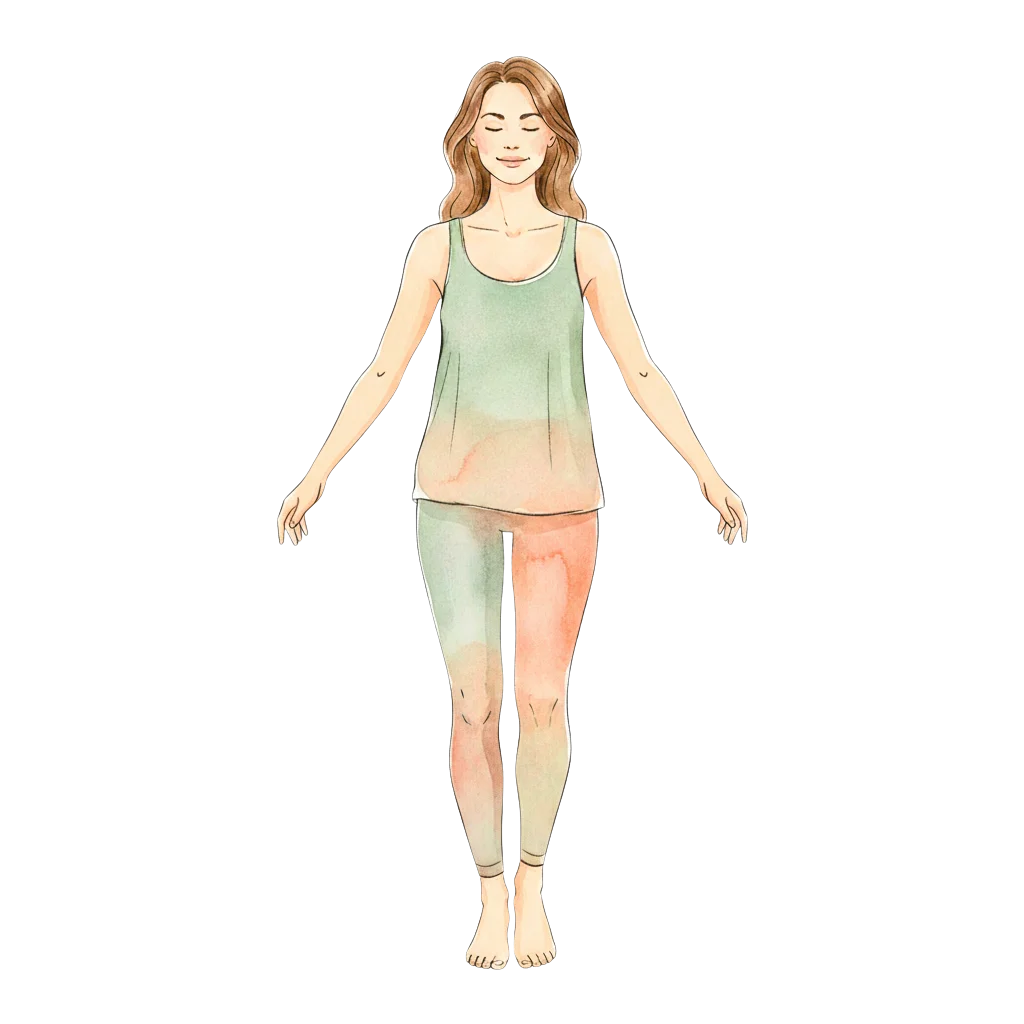
Start your protocolHow Early menopause affects your body
Tap body zones to discover connected symptoms and related conditions.
Join 77+ women discussing early menopause
Real experiences shared across Reddit, TikTok, and health forums
To all..if any…early menopausers out there:
To all..if any…early menopausers out there:
Early menopause or something else?
Early menopause or something else?
COVID is a multisystem virus that can cause some very unusual symptoms. People think it’s like influenza or a common cold because the main symptoms are similar but it is quite different. It can...
Reading others' stories is the first step. Join to share yours.
Community
A safe space for women navigating early menopause
Frequently asked questions
Common questions about Early menopause
How we research and fact-check
Every article on Wellls is researched using peer-reviewed medical literature, clinical guidelines, and real patient experiences from 28 online discussions.
Sources: We reference 48 PubMed-indexed studies, ACOG/NAMS clinical guidelines, and validated screening tools.
Review: Content is written by our editorial team, enriched from a medical knowledge base of 15,000+ sources. Evidence standards and clinical methodology guided by our Medical Advisory Board: Dr. Alexandra Rybakova and Dr. Alexander Rybakov, Lifestyle Medicine Physicians with 35+ years combined clinical practice.
This content is for informational purposes only and does not constitute medical advice. Our editorial standards · Medical advisory board
References
48 sources reviewed for this early menopause guide
- 1.Epidemiology, Genetic Etiology, and Intervention of POI
- 2.Optimising health after early menopause
- 3.Premature ovarian insufficiency, early menopause, and induced menopause
- 4.Terrain of pathogenic mutations in POI
- 5.Genetic Etiology in POI
- 6.Role of HRT in Women with Premature Ovarian Failure
- 7.The New Perimenopause - Dr. Louise Newson
- 8.Ovarian Insufficiency: Clinical Spectrum and Management
- 9.The Perimenopause Survival Guide
- 10.The XX Brain - Dr. Lisa Mosconi
History of updates
Current version (March 11, 2026) — Content reviewed and updated based on latest research
First published (March 7, 2026)
Explore related problems
Women who experience early menopause often also deal with these
Your personalized plan is ready
Early menopause isn't something you figure out alone at 2am on Google. Our Dr. Wellls has been trained on every clinical guideline mentioned on this page, knows the diagnostic thresholds, and can walk you through what to ask your real doctor tomorrow morning. Because the gap between knowing something is wrong and getting the right test shouldn't take years.
847 women explored their early menopause plan this month
Free assessment · Takes 2 minutes · No account required
Medical disclaimer: This content is for informational purposes only and does not constitute medical advice, diagnosis, or treatment. Always consult a qualified healthcare provider for personal medical decisions. Content is based on peer-reviewed research and updated regularly. Learn about our editorial standards.