Perimenopausal depression affects 18-38% of women during the transition. Estradiol fluctuations disrupt serotonin synthesis and BDNF production in the brain.
Is This Depression or Is This Perimenopause? The Question Nobody Helps You Answer
Approximately 28.6% of menopausal women globally meet criteria for depression (Jia et al. 2024 meta-analysis). Depression is 2-4 times more likely during the menopausal transition than before it.
“Within about 6 weeks it was as if a light had been switched off in me. There was no joy. You could have lined up my children with a thousand other children and I felt absolutely nothing.”


Dr. A. Rybakova, Dr. A. Rybakov · Lifestyle Medicine
For informational purposes only. Not a substitute for professional medical advice.
It is not sadness exactly. You could handle sadness. Sadness is a feeling you recognize, a thing with edges.
Key takeaways
- Perimenopausal depression affects 18-38% of women during the transition.
- Estradiol fluctuations disrupt serotonin synthesis and BDNF production in the brain.
- Estrogen modulation of serotonin, dopamine, and norepinephrine systems
- Neuroinflammatory pathway: estrogen decline increasing cytokines and oxidative stress
The Science Behind Depression in Perimenopause
Estrogen modulates serotonin, dopamine, and norepinephrine. I start with this because it is the sentence that should appear on the wall of every gynecologist\'s office and does not.
When estrogen becomes erratic during perimenopause and then declines, the neurotransmitter systems it was supporting become unstable. Not "slightly off." Unstable. The relationship between depression and menopause is not metaphorical. It is biochemical. The serotonergic system that governs mood, the dopaminergic system that governs motivation and pleasure, the noradrenergic system that governs energy and attention.
All three modulated by estrogen. All three affected by its loss.
Gone.
I want to let that land. This is the biology of depression and menopause, and specifically perimenopausal depression, laid bare: three neurotransmitter systems simultaneously destabilized by one hormonal shift.
I have spent years reading the clinical evidence on perimenopausal depression and what emerges consistently is a picture that standard psychiatric training does not adequately address. Depression in midlife women is being treated as though it were identical to depression in younger adults. It is not. The hormonal component changes the neurobiology, the symptom presentation, and potentially the treatment response. A woman experiencing her first depressive episode at 44 deserves an evaluation that includes hormonal assessment, not just a PHQ-9 and a prescription.
If you are in the middle of perimenopausal depression and wondering whether you are losing yourself, I want to tell you that what is happening has a mechanism, a research base, and treatment evidence. You are not disappearing. Your neurochemistry is shifting, and nobody prepared you for what that feels like.
A hormone prevented depression. In a randomized trial. And nobody told you.
Gordon et al. ran a randomized clinical trial: transdermal estradiol plus micronized progesterone versus placebo for preventing depressive symptoms during the menopause transition. The hormone group was significantly protected. Published in JAMA Psychiatry.
I keep coming back to this study because it reframes the entire conversation. We are not talking about mood support. We are talking about prevention. And yet the standard clinical response to a woman who presents with new-onset depression in her late thirties is an SSRI. No hormone panel. No menstrual history. No consideration that the depression might have a hormonal etiology with a hormonal solution.
I find this gap between evidence and practice genuinely difficult to discuss calmly. The trial exists. The data is clear. The translation into clinical practice is moving at the speed of institutional inertia.
I want to be precise about what this trial demonstrated. It was not that estrogen makes all depression better. It is that perimenopausal depression has a hormonal component that responds to hormonal intervention, specifically during the transition period when estrogen is fluctuating. Post-menopause, when estrogen has stabilized at a new low, the effect diminished. The window matters.
This has enormous clinical implications. If your perimenopausal depression is assessed by a psychiatrist who does not check your hormonal status and does not consider HRT as an adjunctive treatment, you may be receiving incomplete care. I am not saying HRT replaces antidepressants. The evidence says they work better together than either alone. But you have to know the option exists, and your provider has to consider it.
The inflammatory pathway your doctor does not mention
Yu et al. reviewed perimenopausal depression through the lens of inflammation and oxidative stress. Estrogen is anti-inflammatory. When it declines, neuroinflammation increases, cytokine profiles shift, and the immune-brain axis becomes dysregulated.
This explains something clinicians struggle with: why some perimenopausal women do not respond to SSRIs. If the depression is primarily neuroinflammatory, targeting serotonin reuptake misses the upstream mechanism.
Bear with me because this has practical implications. Anti-inflammatory dietary patterns (Mediterranean, high omega-3, low processed food) may address a mechanism that SSRIs do not. Exercise is profoundly anti-inflammatory. These are not soft lifestyle suggestions. They are mechanistically rational interventions for an inflammatory process.
I am not saying diet cures depression. I am saying that for some women, the inflammatory pathway is a significant driver, and ignoring it while prescribing serotonergic medication is treating the downstream symptom while the upstream cause continues.
I find the inflammation angle critical because it changes the treatment conversation. If perimenopausal depression has an inflammatory component, then interventions that reduce inflammation should improve depression. And that is exactly what the evidence shows. Exercise reduces inflammatory markers and improves depressive symptoms. Omega-3 fatty acids reduce neuroinflammation and improve mood. A Mediterranean-style diet reduces systemic inflammation. These are not wellness platitudes. They are anti-inflammatory interventions for what is, in part, an inflammatory condition.
The woman who is told to eat better and exercise more often hears it as dismissal. In the context of inflammatory perimenopausal depression, it is pharmacology. The mechanism is specific and measurable.
Key mechanisms
Deep scientific content for Depression is coming in Wave 3.
Our team is reviewing research papers and clinical guidelines.



Talk to Dr. Wellls — free consultation
4 free messages — no account required
Dr. Wellls AI
Quick start — tap or speak:
Powered by Lifestyle Medicine evidence. Not a substitute for medical advice.
You're Not Alone
women are talking about depression right now
Thousands of women have been through the same thing. Here's what they say.
“My friend stopped shaving her legs. She stopped going to her lectures. She was neglecting herself in many ways. She was also tall and did not dress feminine enough for strangers and they harassed her in the bathroom. She ran out of the store and broke down...”
“Bipolar Disorder vs Depression. Sometimes it is hard to tell. If you start out with a depressive episode, you can have that diagnosis for years until you have your first manic or hypomanic episode.”
“It is not sadness. It is more like someone turned the color down on my life. Food I used to love tastes flat. I am smiling and nodding and behind my eyes there is a gray room where I am sitting alone.”
+ 2 more stories from real women
Is this depression — or something your hormones are doing?
Get your personalized depression profile in 5 minutes. Many women discover their "depression" has a hormonal root nobody checked.
2,795 women got their profile this month
Free · 5 min · 100% private
This is not a clinical assessment. For medical concerns, consult a healthcare provider.
Take a moment for yourself
These evidence-based techniques can help manage depression symptoms right now.
Curated Exercise Sets
4 personalized routines with 20 exercises from professional trainers

The many faces of depression
4 distinct patterns we've identified from real women's experiences
Estrogen is a neuromodulator. Full stop. It does not just regulate your cycle. It modulates serotonin, dopamine, and norepinephrine, the three neurotransmitters most directly implicated in depression. When estrogen becomes erratic during perimenopause and then drops, the neurotransmitter systems it was supporting become unstable.
Gordon et al.\'s randomized clinical trial showed that transdermal estradiol plus micronized progesterone prevented depressive symptoms during the menopause transition. I will say that differently. A hormone prevented depression. In a randomized trial. And yet, the standard first-line treatment for a woman who presents with depression in her late thirties is an SSRI, with no hormone panel ordered.
From our data
Jia et al.\'s meta-analysis calculated the global prevalence of depression in menopausal women at approximately 28.6%. One in four. And in our dataset of 169 posts, the emotional tone distribution was dominated by sharing_experience and desperation. Women were not posting for advice. They were posting to be seen. The severity of 3.92 out of 5 is high, but what strikes me more is how diffuse the co-occurrences are: insomnia (0.04), chronic fatigue (0.03), divorce consideration (0.03), ADHD-like symptoms (0.03). Depression in midlife is not a standalone condition. It is woven into everything.
Connected problems
What women with depression also experience
Your personalized protocol
A lifestyle medicine approach to depression, built on 6 evidence-based pillars
Full hormonal assessment
Estradiol, progesterone, FSH, free testosterone, full thyroid panel, vitamin D, B12. If your depression coincides with early perimenopause signs, hormonal contribution is likely and treatable.
Build exercise gradually
Start at 10 minutes, add 5 minutes per week. Target: 150 minutes per week of moderate aerobic exercise. The evidence from Blumenthal, Li, and Wang shows effect sizes comparable to medication. This is not a platitude. This is data.
Anti-inflammatory nutrition protocol
Mediterranean dietary pattern. Omega-3 fatty acids 1-2g daily. Reduce processed food and sugar. Incr...
Sleep restoration
Consistent wake time (most important). No screens 1 hour before bed. Cool, dark room. Magnesium glyc...
Consider perimenopause-specific therapy
CBT adapted for perimenopause (Hantsoo\'s 8-session protocol). Or standard CBT with a therapist who ...
Social reconnection
Depression withdraws you from the people who could help. Proactive social contact, even when you do ...
3,100 women explored their depression plan this month
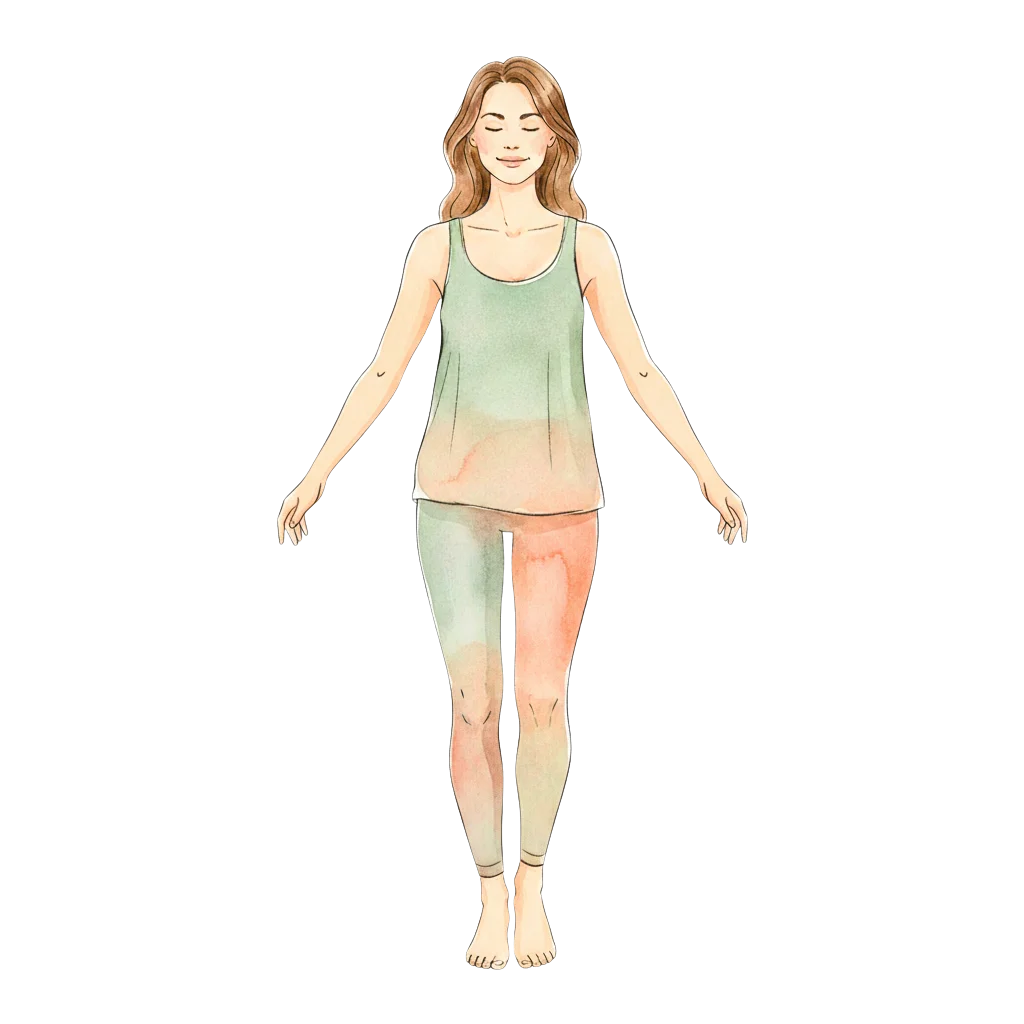
Start your protocolHow Depression affects your body
Tap body zones to discover connected symptoms and related conditions.
Join 62+ women discussing depression
Real experiences shared across Reddit, TikTok, and health forums
Transvestigators are policing women's appearances
Transvestigators are policing women's appearances I have a friend who's a cis woman. She has long hair and dresses feminine. Recently she's been depressed and has been neglecting herself in many...
Bipolar Disorder vs Depression - 5 Signs You're Likely Bipolar
Bipolar Disorder vs Depression. Sometimes it’s hard to tell. That’s what I’m talking about in this video. I’m Dr. Tracey Marks and if you’re new here, I talk about mental health education and...
This scene breaks my heart #christinaricci #grunge #ventedit #prozacnation #MentalHealth
This scene breaks my heart #christinaricci #grunge #ventedit #prozacnation #MentalHealth
Reading others' stories is the first step. Join to share yours.
Community
A safe space for women navigating depression
Frequently asked questions
Common questions about Depression
How we research and fact-check
Every article on Wellls is researched using peer-reviewed medical literature, clinical guidelines, and real patient experiences from 169 online discussions.
Sources: We reference 46 PubMed-indexed studies, ACOG/NAMS clinical guidelines, and validated screening tools.
Review: Content is written by our editorial team, enriched from a medical knowledge base of 15,000+ sources. Evidence standards and clinical methodology guided by our Medical Advisory Board: Dr. Alexandra Rybakova and Dr. Alexander Rybakov, Lifestyle Medicine Physicians with 35+ years combined clinical practice.
This content is for informational purposes only and does not constitute medical advice. Our editorial standards · Medical advisory board
References
46 sources reviewed for this depression guide
- 1.
- 2.
- 3.
- 4.
- 5.
- 6.
- 7.
- 8.
- 9.
- 10.
History of updates
Current version (March 11, 2026) — Content reviewed and updated based on latest research
First published (February 17, 2026)
Explore related problems
Women who experience depression often also deal with these
Your personalized plan is ready
The flatness has a name. The fog has a hormonal signature. One in four women going through menopause meets criteria for depression, and most of them never get a hormone panel alongside their PHQ-9. Your personalized depression plan integrates hormonal assessment, evidence-based lifestyle medicine, and targeted interventions matched to what is actually happening in your body.
3,100 women explored their depression plan this month
Free assessment · Takes 2 minutes · No account required
Medical disclaimer: This content is for informational purposes only and does not constitute medical advice, diagnosis, or treatment. Always consult a qualified healthcare provider for personal medical decisions. Content is based on peer-reviewed research and updated regularly. Learn about our editorial standards.