Mom burnout affects 62% of mothers, with perimenopause compounding exhaustion. Parental burnout is now recognized as a distinct clinical syndrome by researchers.
Why does being a mom feel this impossible right now?
62% of parents identify as burned out. Mothers report parental burnout at rates 2-3x higher than fathers. During perimenopause, declining progesterone amplifies stress sensitivity and sleep disruption.
“I'm so tired.. I just want to mention I'm a mom of 4 children. NO I'm not a young mom, my brain is fried.”
For informational purposes only. Not a substitute for professional medical advice.
You love your kids. You need to say that first because nobody will hear anything else until you do. You love your kids. And also: you are so tired that you fantasized about being hospitalized just so someone else would have to handle bedtime. You Googled 'mom burnout symptoms' at 11 PM with a toddler asleep on your chest, scrolling with one thumb, eyes burning, wondering when exactly you disappeared. Not the tired that sleep fixes. The mom fatigue that sits behind your eyes at 7 AM when the first little voice calls 'Mama' and your whole body clenches because you have nothing left and the day hasn't started yet. You're a touched out mom who flinches when her own child reaches for a hug, and the guilt of that flinch is eating you alive.
Key takeaways
- Mom burnout affects 62% of mothers, with perimenopause compounding exhaustion.
- Parental burnout is now recognized as a distinct clinical syndrome by researchers.
- Progesterone decline lowering anxiety threshold and sleep quality
- Cortisol loop with no completion signal
The Science Behind Mom Burnout
Let me start with a number that I want you to sit with before I explain it: 62% of parents identify as burned out. Not 'a little stressed.' Not 'having a tough week.' Burned out. Clinically, measurably, their-nervous-system-is-failing burned out. And when researchers at the Université Catholique de Louvain in Belgium developed the Parental Burnout Assessment, separate from Maslach's decades-old work-focused tool, they found something the workplace burnout literature had missed entirely. Parental burnout is its own syndrome. It doesn't follow the same patterns as job burnout. It doesn't respond to the same interventions. And it hits mothers disproportionately, ferociously, and silently.
I know how you found this page. It's 2 AM. Maybe later. Your kid is finally asleep and you're lying in the dark, thumb scrolling, searching for something that explains why you feel like this. Why the rage scared you today. Why you fantasized about driving past your own house and just keeping going. Why you cried in the shower again, standing under water too hot because at least it's something you can feel that isn't guilt or fury or that terrifying numbness. You Googled 'mom burnout' and you need someone to tell you: you are not broken.
You are not broken.
The rage that scares you? It has a name. The perimenopause-fatigue that sleep doesn't fix? It has a cause. The feeling that you're failing at the one thing you're supposed to be built for? That feeling is a lie, and we can prove it with data. Roskam's research identified four dimensions of parental burnout: overwhelming perimenopause-fatigue, emotional distancing from your children, loss of pleasure in parenting, and the devastating contrast between the parent you are and the parent you used to be. If you recognize yourself in three of those, this isn't a rough patch. This is a clinical syndrome. And it's treatable.
But here's where it gets complicated, and where most of the advice you'll find online falls apart. Mom burnout in perimenopause is not just parental burnout. It's parental burnout with a hormonal accelerant. The same load that was crushing-but-survivable at 33 becomes unsurvivable at 38 or 42, not because the load increased but because your biochemistry shifted underneath it. Nobody warned you. Nobody connected the dots. And the advice you keep getting, 'take a bath, practice gratitude, ask your partner for help,' is so inadequate it borders on insulting. That running-on-fumes feeling? It has a mechanism. Multiple mechanisms, actually. And once you understand them, the path out stops being a vague promise and starts being a concrete plan.
The progesterone crash nobody connects to motherhood
Progesterone is your body's natural anxiolytic. Full stop. It binds to GABA-A receptors in the brain, the exact same receptors targeted by benzodiazepines like Valium and Xanax, and it produces a calming, sleep-promoting, anxiety-dampening effect that most women take completely for granted until it disappears. Here's the timeline nobody tells you: progesterone begins declining in the mid-to-late 30s. Sometimes as early as 35. The decline is not dramatic at first. It's gradual. Insidious. You don't wake up one morning with zero progesterone. You lose it drip by drip, cycle by cycle, and each small drop lowers your threshold for stress just a little more.
This matters enormously for burnout. Here's why.
At 32, your progesterone levels supported deep restorative sleep. Your GABA receptors were well-supplied. Your nervous system had a built-in off switch. The noise, the touching, the constant demands of small children, all of it was exhausting, but your brain could process the stimulation, recover during sleep, and reset for the next day. Not comfortably. Not easily. But functionally.
At 38 or 41, with progesterone declining, that off switch starts failing. Your GABA receptors are starving for input. Your sleep architecture deteriorates: less deep sleep, more night waking, less time in the restorative stages where your brain literally clears metabolic waste. The noise that was manageable becomes unbearable. The touched-out sensation intensifies from 'I need a break' to 'if one more person touches me I will scream.' The mom rage, that white-hot fury that terrifies you, isn't a character flaw. It's not bad parenting. It's progesterone withdrawal meeting sensory overload meeting chronic sleep deprivation. It has a mechanism. The mechanism is treatable.
I need to pause here because I can already hear the objection: 'You're medicalizing normal motherhood stress.' No. I'm naming the biochemical reality that makes normal motherhood stress escalate into mom burnout. There's a difference, and the difference matters because treatment paths diverge. If it's purely environmental, the answer is structural change. If there's a hormonal component, the answer includes hormonal assessment. A simple blood test. Progesterone on day 21 of your cycle. Costs under $50. Could change everything. Most women need both structural and hormonal intervention. Almost none are offered either.
The cortisol loop that never stops
Here's how the burnout loop works in your body, step by step, and why it's so hard to break.
Chronic parenting stress elevates cortisol. That's step one. Your hypothalamic-pituitary-adrenal axis, the HPA axis, is your body's central stress command system. When it detects threat, it releases cortisol. Cortisol is not inherently bad. It's supposed to spike, help you respond, and then drop. Spike. Respond. Drop. That's a healthy stress cycle.
But motherhood doesn't allow the drop.
There's no 'off.' There's no commute home from motherhood. No weekend. No two-week notice. The HPA axis keeps firing because the stressor never resolves. Step two: elevated cortisol disrupts sleep. Specifically, it flattens your diurnal cortisol rhythm. Healthy pattern: high in the morning, low at night. Burnout pattern: blunted in the morning (you can't wake up, you're dragging, coffee isn't working), elevated at night (you're wired at 11 PM, mind racing through tomorrow's logistics). Step three: disrupted sleep raises cortisol further. Now you're in a feedback loop with no exit.
Researchers call the cumulative physiological toll of this loop 'allostatic load.' Think of it as your body's total stress debt. Every night of broken sleep, every day of unrelenting cognitive vigilance, every cortisol spike that never completes adds to the load. The load compounds. It doesn't reset on vacation. It doesn't reset with a glass of wine. It accumulates until systems start failing. Immune function drops. Inflammation rises. Thyroid gets sluggish. Burnout isn't metaphorical. It's measurable.
Emily and Amelia Nagoski's insight applies here with particular force: you have to complete the stress cycle. Not resolve the stressor. You cannot make your children less needy. You cannot eliminate the mental load overnight. But you can move your body, breathe deeply, cry, shake, dance, run, do something physical that tells your nervous system: the danger passed. You survived this moment. Stand down. Twenty minutes. That's what the research shows. Twenty minutes of elevated heart rate completes one stress cycle.
Most mothers never get those twenty minutes. The alarm never stops. And that's how burnout becomes not just perimenopause-fatigue but a full-body crisis.
Key mechanisms
Adverse trajectories of mental health problems predict subsequent burnout and work-family conflict - a longitudinal...
BMC psychiatry
Wendy Nilsen; Anni Skipstein; Evangelia Demerouti
View source[The Effects of Stress Vulnerability and Parental Burnout on Mental Health in Women with Early School-Age Children...
Journal of Korean Academy of Nursing
Mijung Yeom; Min Kwon
View sourceWomen physicians and the COVID-19 pandemic: gender-based impacts and potential interventions.
Annals of medicine
Padmini D Ranasinghe; Ashley Zhou
View sourceMultistakeholder perspectives on the mistreatment of indigenous women during childbirth in Colombia: drivers and points...
BMC pregnancy and childbirth
Emily Gaffney Gleason; Jennifer Marcela López Ríos; Diana Patricia Molina Berrío; Cristina Mejía Merino
View sourceBurnout Among Women Physicians: a Call to Action.
Current cardiology reports
Sherry S Chesak; Susanne Cutshall; Alexandra Anderson; Bridget Pulos; Susan Moeschler; Anjali Bhagra
View sourceProviders' perceptions of communication and women's autonomy during childbirth: a mixed methods study in Kenya.
Reproductive health
Patience A Afulani; Laura Buback; Ann Marie Kelly; Leah Kirumbi; Craig R Cohen; Audrey Lyndon
View source


Talk to Dr. Wellls — free consultation
4 free messages — no account required
Dr. Wellls AI
Quick start — tap or speak:
Powered by Lifestyle Medicine evidence. Not a substitute for medical advice.
You're Not Alone
women are talking about motherhood burnout right now
Thousands of women have been through the same thing. Here's what they say.
“I'm so tired.. I just want to mention I'm a mom of 4 children. NO I'm not a young mom, my brain is fried.”
“If you are struggling I see you. I am tired of the outdated expectations of motherhood.”
“Mama, You've Passed Burnout, You're in Survival Mode. If even the smallest decisions feel overwhelming, you're not lazy, you're depleted.”
+ 3 more stories from real women
What is motherhood costing you right now?
Get your burnout profile in 5 minutes. See exactly where the depletion lives and what to do first.
2,170 women got their profile this month
Free · 5 min · 100% private
This is not a clinical assessment. For medical concerns, consult a healthcare provider.
Take a moment for yourself
These evidence-based techniques can help manage motherhood burnout symptoms right now.
Curated Exercise Sets
4 personalized routines with 16 exercises from professional trainers

The many faces of motherhood burnout
4 distinct patterns we've identified from real women's experiences
It starts with the touching. Little hands on your leg, your arm, your face, pulling at your shirt while you're trying to think one complete thought. Then the noise. The screaming, the whining, the constant narration of everything happening in the room. And then one morning your six-year-old spills milk for the third time and something inside you detonates. Not irritation. Rage. White-hot, terrifying, where-did-that-come-from rage. And then the guilt, which is almost worse than the rage itself.
From our data
I keep coming back to this number: 104 of 418 women describing mom burnout used the word 'frustrated.' Another 26 said 'angry.' But the posts that haunt me are the 42 tagged 'desperate.' That's one in ten mothers in our dataset who aren't just tired or annoyed. They're at the edge. And in our data, mom rage co-occurs with perimenopause at rates that should be screamed from rooftops.
Connected problems
What women with motherhood burnout also experience
Your personalized protocol
A lifestyle medicine approach to motherhood burnout, built on 6 evidence-based pillars
Sleep foundation and hormonal screening
Consistent bedtime within 30-minute window. Magnesium glycinate nightly. Request blood work: progesterone, estradiol, TSH. If you're over 35 and sleep has deteriorated, declining progesterone is a prime suspect.
Movement practice (not punishment)
4 days per week, 20 minutes. Resistance training 2x, walking/dancing 2x. Movement completes stress cycles AND builds the physical resilience that caregiving depletes. Bring the kids if you must. Just move.
Nutrition for depleted mothers
Prioritize: magnesium (dark greens, pumpkin seeds, dark chocolate), omega-3s (salmon, walnuts), iron...
Structural boundary overhaul
Audit the mental load. List every invisible task you carry. Transfer 40% to partner/other adults. No...
Reduce burnout accelerants
Alcohol: max 2 days per week (it destroys the deep sleep your recovery depends on). Caffeine: none a...
Identity reconstruction and social reconnection
Burnout erased who you were before motherhood. Start one activity that is yours alone. Art class. Ru...
3,412 mothers explored their mom burnout recovery plan this month
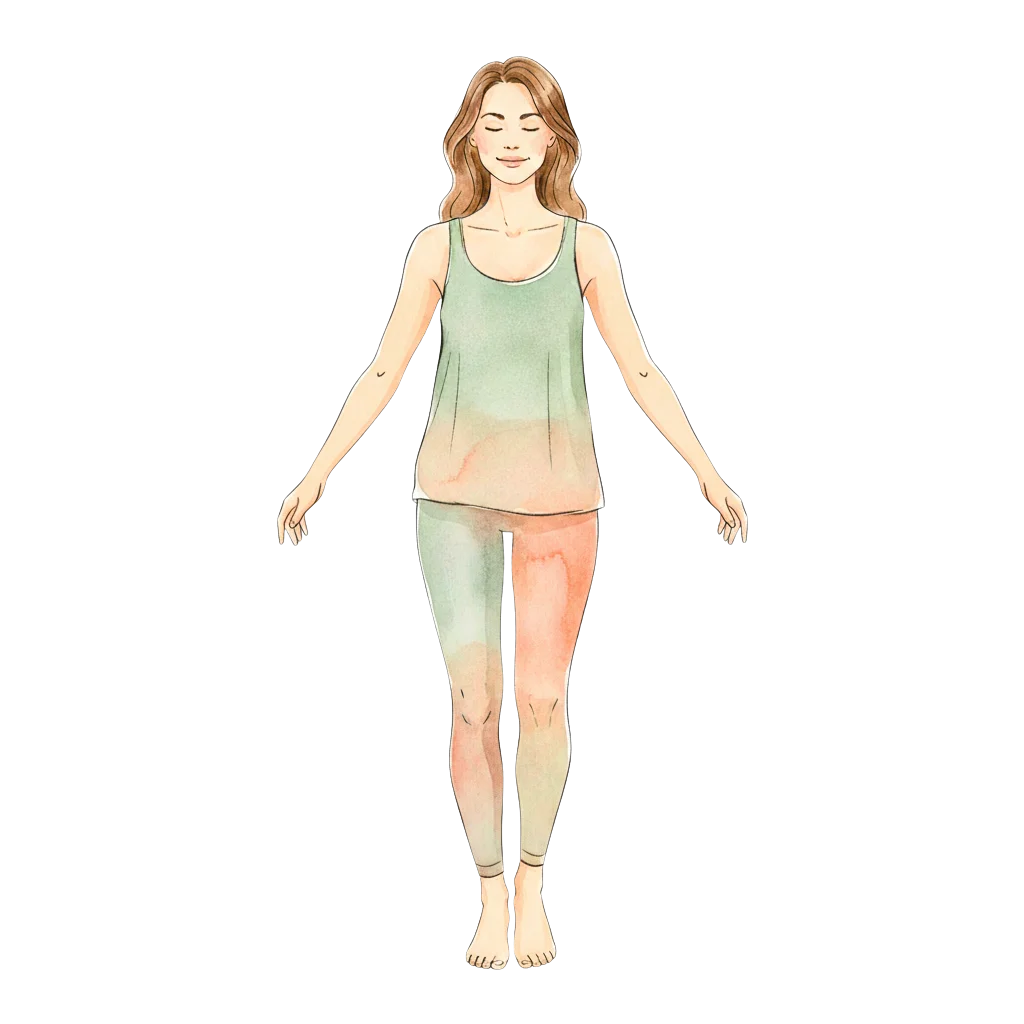
Start your protocolHow Motherhood burnout affects your body
Tap body zones to discover connected symptoms and related conditions.
Join 86+ women discussing motherhood burnout
Real experiences shared across Reddit, TikTok, and health forums
Raising boys in a red state is soul crushing
Raising boys in a red state is soul crushing I live in a red county in a red state and I don’t know how much longer I can handle the way boys are raised around here. Although I’m at a point where I...
My stepdaughter’s body and clothing are already becoming a battle ground, and I hate it (rant)
My stepdaughter’s body and clothing are already becoming a battle ground, and I hate it (rant) So my stepdaughter just turned 9. Her mom is a millennial former “scene queen” type who still loves...
The inescapable commitment in having kids terrifies me
The inescapable commitment in having kids terrifies me My husband (30M) and I (29F) have had a lot of discussions about kids. He's a 100% yes, I'm a fencesitter and have always moved between "hell...
Reading others' stories is the first step. Join to share yours.
Community
A safe space for women navigating motherhood burnout
Frequently asked questions
Common questions about Motherhood burnout
How we research and fact-check
Every article on Wellls is researched using peer-reviewed medical literature, clinical guidelines, and real patient experiences from 418 online discussions.
Sources: We reference 47 PubMed-indexed studies, ACOG/NAMS clinical guidelines, and validated screening tools.
Review: Content is written by our editorial team, enriched from a medical knowledge base of 15,000+ sources. All content follows our evidence-based editorial standards and is cross-referenced with clinical guidelines.
This content is for informational purposes only and does not constitute medical advice. Our editorial standards · Medical advisory board
References
47 sources reviewed for this motherhood burnout guide
- 1.Maternal Burnout Syndrome: Contextual and Psychological Associated Factors [PubMed]
- 2.Mommy Burnout: How to Reclaim Your Life [Book]
- 3.Burnout: The Secret to Unlocking the Stress Cycle [Book]
- 4.Adverse trajectories of mental health problems predict subsequent burnout and work-family conflict [PubMed]
- 5.Mom Burnout: Depleted Mother Syndrome (Cleveland Clinic) [Website]
- 6.Burnout Among Women Physicians: a Call to Action [PubMed]
- 7.Effects of Stress Vulnerability and Parental Burnout on Mental Health in Women [PubMed]
- 8.Social media-related emotions and the do it all discrepancy on parental burnout [PubMed]
- 9.The COPE Staff study: job satisfaction, burnout among maternal/neonatal workers [PubMed]
- 10.Impact of Sexual Harassment and Social Support on Burnout in Physician Mothers [PubMed]
History of updates
Current version (March 11, 2026) — Content reviewed and updated based on latest research
First published (February 17, 2026)
Explore related problems
Women who experience motherhood burnout often also deal with these
Your personalized plan is ready
You found this page because you're running on empty and you know it. The guilt, the rage, the perimenopause-fatigue that sleep doesn't fix. We built a 12-week recovery protocol specifically for mothers navigating burnout during perimenopause, because generic 'self-care' advice doesn't cut it when your hormones are shifting and your kids still need dinner. It starts with sleep and structural change, not bath bombs. 3,412 mothers started their recovery plan this month.
3,412 mothers explored their mom burnout recovery plan this month
Free assessment · Takes 2 minutes · No account required
Medical disclaimer: This content is for informational purposes only and does not constitute medical advice, diagnosis, or treatment. Always consult a qualified healthcare provider for personal medical decisions. Content is based on peer-reviewed research and updated regularly. Learn about our editorial standards.