Burnout from work affects 77% of professionals, with women 32% more likely to experience it. Perimenopause compounds the physiological stress burden.
Is it burnout or is it perimenopause? (It might be both.)
42% of women report workplace burnout. During perimenopause, emotional perimenopause-fatigue rates nearly triple to 38.9% in women with frequent menopausal symptoms.
“How do I recover from burnout when I have built my entire identity around being competent and capable?”
For informational purposes only. Not a substitute for professional medical advice.
You used to be good at your job. Not just good. Excellent. The person who stayed late, who picked up the slack, who kept the whole team running because someone had to and you were the one who could. Then something shifted. Not overnight. More like a slow leak you didn't notice until you were sitting in your car in the office parking lot at 8:47 AM, already so tired you could cry, and the workday hadn't even started yet. You're Googling 'burnout from work' and 'is it burnout or perimenopause' at 2 AM because you can't sleep and you can't figure out which broken thing is causing which other broken thing. Here's what nobody warned you about: after 35, burnout doesn't play by the old rules anymore.
Key takeaways
- Burnout from work affects 77% of professionals, with women 32% more likely to experience it.
- Perimenopause compounds the physiological stress burden.
- HPA axis dysregulation and cortisol loop
- Estrogen decline reducing stress buffer capacity
The Science Behind Work Burnout
The World Health Organization recognized burnout in ICD-11 in 2019, defining it as an occupational phenomenon resulting from chronic workplace stress that has not been successfully managed. Three things: emotional perimenopause-fatigue, depersonalization, reduced personal accomplishment. Maslach laid out those dimensions in 1981. Forty-five years of research since then. And here we are, still acting surprised that women are burning out at rates we've never seen before.
You searched this. Probably late at night. Probably after a day that broke something inside you that you can't name yet. Maybe it was the meeting where you sat there physically present but mentally gone, watching your own mouth form sentences while the rest of you floated somewhere near the ceiling. Maybe it was the parking lot moment, engine running, hands on the wheel, unable to make yourself walk inside. Maybe you haven't even admitted it to yourself yet. You just typed 'work burnout' into a search bar and hoped someone, somewhere, would say the thing you need to hear.
Here it is. You are not broken. You are not weak. You are not failing.
Let me be clear about something. Burnout is not a character flaw. It is not a failure of resilience or a deficiency of self-care. The Maslach Burnout Inventory, the most widely used measurement tool in the world, explicitly frames work burnout as an outcome of sustained mismatch between a person and their work environment. Not a personal deficiency. An environmental one. Christina Maslach herself has said, repeatedly, that framing burnout as an individual problem is a misuse of her own research. The system is broken. Not you.
But for women in their mid-thirties to late forties, burnout from work has a biochemical accelerant that most workplace wellness programs completely ignore. The work burnout symptoms you're experiencing — the perimenopause-fatigue, the detachment, the cognitive collapse — are being amplified by hormonal changes that nobody warned you about. The collision of occupational burnout and perimenopause creates something that neither field, not occupational psychology nor reproductive endocrinology, has adequately studied. Because nobody thought to look at both at the same time. That oversight costs women years of their lives. It cost me colleagues. It cost women in our community their careers, their marriages, their sense of self. I find that unforgivable.
The hormonal accelerant nobody warned you about
Perimenopause. The transition that begins, on average, 4-8 years before menopause, fundamentally alters your stress response system. This is not a minor adjustment. This changes everything. Estrogen is not just a reproductive hormone. It regulates cortisol through direct action on glucocorticoid receptors in the hypothalamus. It protects neurons via estrogen receptor beta in the hippocampus and prefrontal cortex. It modulates serotonin synthesis by upregulating tryptophan hydroxylase. It supports dopamine signaling in the mesolimbic pathway. When estrogen starts declining, and it can begin its erratic descent as early as age 35, your capacity to absorb workplace stress doesn't just decrease. It collapses.
A study in BMC Women's Health examined menopausal symptoms and work burnout in healthcare workers and found emotional perimenopause-fatigue ranged from 13.5% in women without menopausal symptoms to 38.9% in those with frequent symptoms. Nearly a threefold increase. Not because the job got harder. Because the body's ability to cope got weaker. Dr. Pauline Maki's lab at the University of Illinois Chicago has documented how fluctuating estradiol levels during the menopause transition specifically impair working memory and processing speed. The exact cognitive functions your job demands most.
This is the part where I have to interrupt myself because I know what you're thinking. 'Great, another thing that's wrong with me.' No. Stop. There is nothing wrong with you. Your body is undergoing a major neuroendocrine transition, one as significant as puberty but with zero cultural preparation, and you're expected to perform as if nothing has changed. That expectation is what's wrong. Maslach's Burnout Inventory measures three dimensions. Not one of them asks about hormonal status. Not one of them accounts for the fact that the same score means something biochemically different in a 44-year-old woman than in a 28-year-old man. Forty-five years of burnout research, and that gap has never been closed. I find that inexcusable.
The cortisol loop that keeps you trapped
Here's how work burnout locks you inside your own biology. Chronic work stress elevates cortisol. That's the starting gun. Elevated cortisol disrupts sleep architecture, specifically suppressing slow-wave sleep, which is where your glymphatic system clears metabolic waste from your brain. Poor sleep worsens cognitive function. Worse cognitive function means you work harder to achieve the same results. Working harder raises cortisol further. Meanwhile, declining estrogen removes the buffer that used to help your body recover between stress cycles. The loop has no natural off-switch. None.
There is a specific pattern that women describe to us over and over. The 4 AM wake-up. You fall asleep fine, maybe with the help of melatonin or wine or sheer perimenopause-fatigue. Then at 3:45 or 4:15 AM, your eyes snap open. Heart pounding. Mind already racing through tomorrow's task list. That is cortisol. Specifically, it is your cortisol awakening response firing early because your HPA axis has lost its circadian calibration. Dr. Clemens Kirschbaum's research on the cortisol awakening response showed that chronic stress doesn't just raise baseline cortisol. It distorts the entire daily rhythm. Your body literally forgets when morning is.
There's an emerging concept called allostatic load that captures the cumulative cost. Allostatic load is the total wear and tear on the body from chronic stress. It is measurable. Rodriquez and colleagues at NIH described how allostatic load accumulates disproportionately in women, particularly women of color, compounding with socioeconomic stress, caregiving burden, and systemic discrimination. Work burnout isn't just making you feel bad. It's aging your cardiovascular system. Raising your inflammatory markers. Disrupting your metabolic health. Shrinking your hippocampal volume. These are not metaphors. They are findings from longitudinal imaging studies. The burnout you are living through right now is writing itself into your body in ways that will show up on bloodwork and brain scans a decade from now.
I find that inexcusable. Not the biology. The silence around it. The absolute refusal of most workplaces to acknowledge that work burnout has a body, and that body is disproportionately female.
Key mechanisms
Occupational Stress, Burnout, and Depression in Women in Healthcare During COVID-19 Pandemic: Rapid Scoping Review.
Frontiers in global women's health
Abi Sriharan; Savithiri Ratnapalan; Andrea C Tricco; Doina Lupea; Ana Patricia Ayala; Hilary Pang; Dongjoo Daniel Lee
View sourceEffects of Physical Activity and Counselling Interventions on Health Outcomes among Working Women in Shanghai.
Journal of sports science & medicine
Hongying Wang; Tao Zhang; Miaomiao Lu; YuXuan Zeng; Yi Xiao; Xiaoling Ren; Pei Zhang
View sourceDifferences in Burnout and Intent to Leave Between Women's Health and General Primary Care Providers in the Veterans...
Journal of general internal medicine
Eric A Apaydin; David C Mohr; Alison B Hamilton; Danielle E Rose; Sally Haskell; Elizabeth M Yano
View sourceDiscrimination, work outcomes, and mental health among women of color: The protective role of womanist attitudes.
Journal of counseling psychology
Brandon L Velez; Robert Cox; Charles J Polihronakis; Bonnie Moradi
View source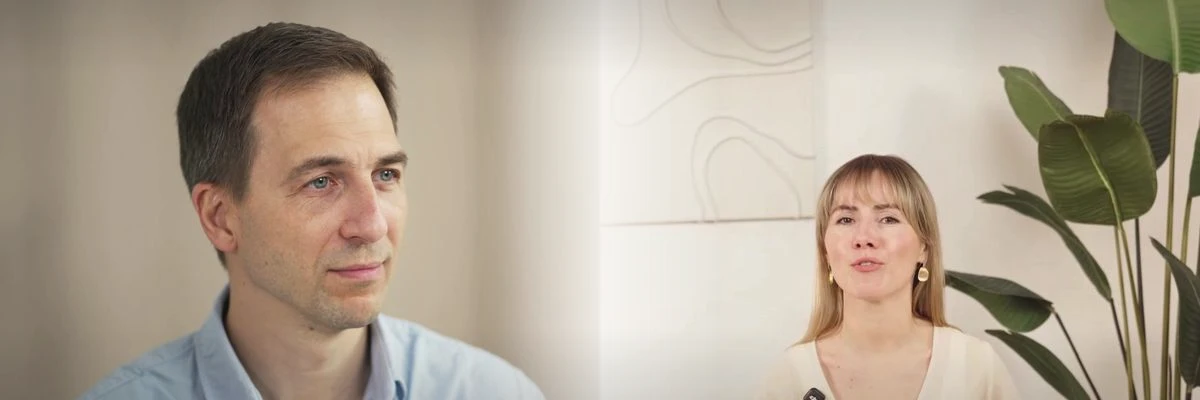

Talk to Dr. Wellls — free consultation
4 free messages — no account required
Dr. Wellls AI
Quick start — tap or speak:
Powered by Lifestyle Medicine evidence. Not a substitute for medical advice.
You're Not Alone
women are talking about work burnout right now
Thousands of women have been through the same thing. Here's what they say.
“How do I recover from burnout when I have built my entire identity around being competent and capable?”
“Being a working mom sucks and I don't wanna be here.”
“Money has power over you when you allow yourself to continue burning out because you make great money. You deserve more than just a paycheck.”
+ 3 more stories from real women
Understanding Your Work Burnout
A quick check-in to understand where you are on the burnout spectrum and what might actually help.
960 women got their profile this month
Free · 5 min · 100% private
This is not a clinical assessment. For medical concerns, consult a healthcare provider.
Take a moment for yourself
These evidence-based techniques can help manage work burnout symptoms right now.
Curated Exercise Sets
4 personalized routines with 14 exercises from professional trainers


The many faces of work burnout
4 distinct patterns we've identified from real women's experiences
You're not just tired after work. You're tired before work. You're tired thinking about work. The alarm goes off and your first thought isn't about the meeting or the deadline. It's: I cannot do this again today. That's not laziness. That's emotional perimenopause-fatigue, the first dimension of burnout from work that Christina Maslach identified in 1981, and it hits women harder because we're running double shifts most men never see.
From our data
Here's what stopped me when I looked at our community data: 82 out of 279 women describing work burnout symptoms used the word 'frustrated.' Another 30 said 'desperate.' But the number that really matters? The co-occurrence with perimenopause-fatigue sits at 0.34. One in three women experiencing work burnout is simultaneously dealing with diagnosable-level fatigue. Not garden-variety tiredness. Bone-deep, can't-think-straight depletion.
Connected problems
What women with work burnout also experience
Your personalized protocol
A lifestyle medicine approach to work burnout, built on 6 evidence-based pillars
Establish a sleep foundation
Consistent bedtime within 30-minute window. No screens 1 hour before bed. Magnesium glycinate 200mg before sleep. Your glymphatic system clears stress metabolites during deep sleep. Without this, nothing else works.
Build a movement practice
4 days per week, 20-30 minutes. Mix resistance training (2x) with cardio/walking (2x). Resistance training specifically helps with the bone density loss that perimenopause accelerates, and the strength gains rebuild the sense of competence that burnout erodes.
Nutrition for stress resilience
Focus on magnesium-rich foods (dark greens, nuts, seeds), omega-3 fatty acids (salmon, sardines, wal...
Structural boundaries and career reckoning
Evaluate: is this a fixable situation or a structural one? If boundaries work and workload adjusts, ...
Hormonal health check
If you're over 35 and burnout recovery plateaus despite lifestyle changes, get hormones tested: estr...
Social scaffolding and meaning reconstruction
Burnout often coincides with identity crisis. Who are you without the work performance that defined ...
2,847 women explored their work burnout recovery plan this month
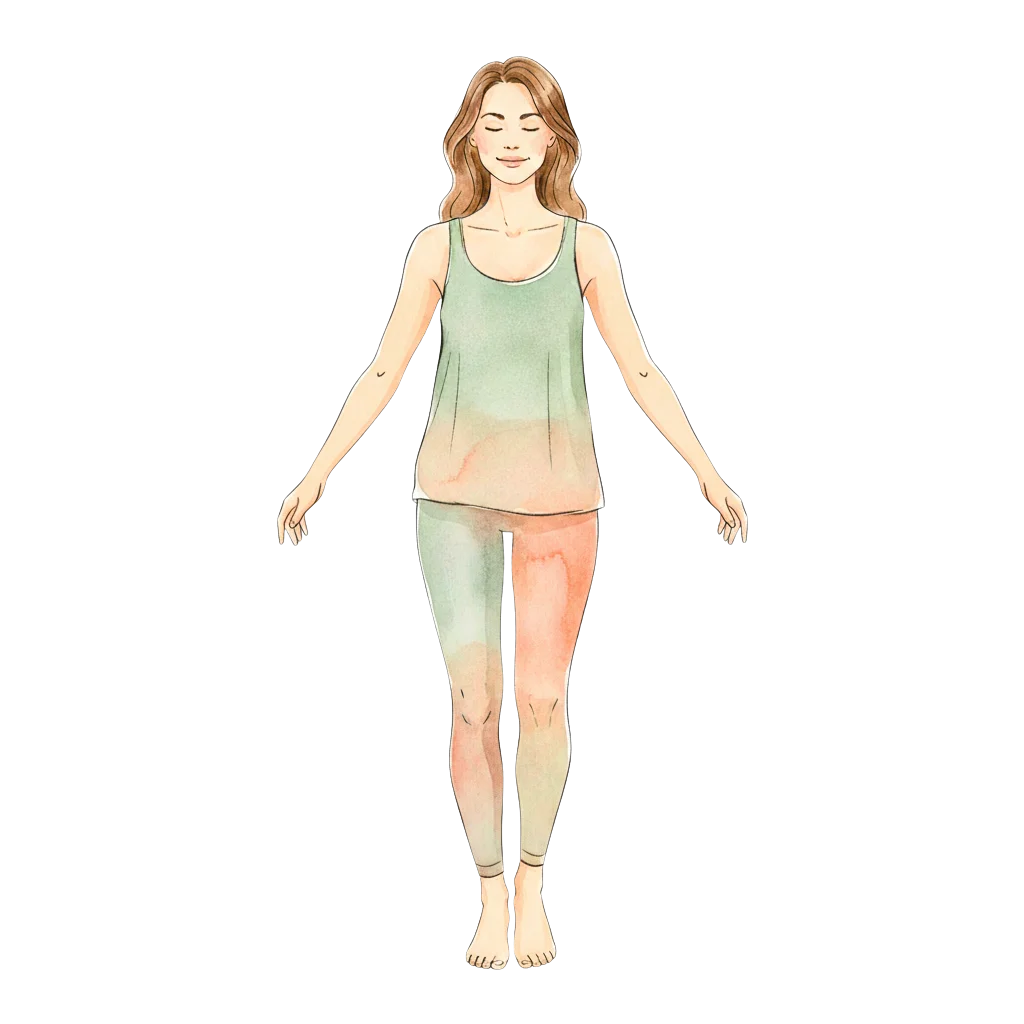
Start your protocolHow Work burnout affects your body
Tap body zones to discover connected symptoms and related conditions.
Join 68+ women discussing work burnout
Real experiences shared across Reddit, TikTok, and health forums
The ladies get it #ladies #workingmom #work #officelife #humor
The ladies get it #ladies #workingmom #work #officelife #humor
Single women with golden handcuffs, how are you doing?
Single women with golden handcuffs, how are you doing? I am 36. I work in tech and have a burn out job that I hate, and I wish I had someone to lean on, because I’ve had to lean on myself for years....
i get home and stare at the wall reflecting on how mind boggling work was. i debate the pros and cons of quitting for the 800th time, only to remember i should be grateful that i have a job. then i...
Reading others' stories is the first step. Join to share yours.
Community
A safe space for women navigating work burnout
Frequently asked questions
Common questions about Work burnout
How we research and fact-check
Every article on Wellls is researched using peer-reviewed medical literature, clinical guidelines, and real patient experiences from 279 online discussions.
Sources: We reference 48 PubMed-indexed studies, ACOG/NAMS clinical guidelines, and validated screening tools.
Review: Content is written by our editorial team, enriched from a medical knowledge base of 15,000+ sources. All content follows our evidence-based editorial standards and is cross-referenced with clinical guidelines.
This content is for informational purposes only and does not constitute medical advice. Our editorial standards · Medical advisory board
References
48 sources reviewed for this work burnout guide
- 1.Prevalence of Burnout Among Physicians: A Systematic Review [PubMed]
- 2.Occupational Stress, Burnout, and Depression in Women in Healthcare During COVID-19 [PubMed]
- 3.Burnout: The Secret to Unlocking the Stress Cycle [Book]
- 4.Mommy Burnout: How to Reclaim Your Life [Book]
- 5.Burnout Among Women Physicians: a Call to Action [PubMed]
- 6.Maternal Burnout Syndrome: Contextual and Psychological Associated Factors [PubMed]
- 7.Adverse trajectories of mental health problems predict subsequent burnout and work-family conflict [PubMed]
- 8.Effects of 12 Weeks of At-Home Exercise on Burnout: A Randomized Clinical Trial [PubMed]
- 9.Burnout Among Mid-Career Academic Medical Faculty [PubMed]
- 10.Why We Should Stop Trying to Fix Women: How Context Shapes Career Trajectories [PubMed]
History of updates
Current version (March 11, 2026) — Content reviewed and updated based on latest research
First published (February 17, 2026)
Explore related problems
Women who experience work burnout often also deal with these
Your personalized plan is ready
You've been running on empty for months, maybe years. The fact that you're here, reading this at whatever hour it is, means some part of you knows this isn't sustainable. We built a 12-week recovery protocol specifically for women dealing with burnout from work during perimenopause, because those two things together require a different approach than generic burnout advice. It starts with sleep and movement, not productivity hacks. 2,847 women started their burnout recovery plan this month.
2,847 women explored their work burnout recovery plan this month
Free assessment · Takes 2 minutes · No account required
Medical disclaimer: This content is for informational purposes only and does not constitute medical advice, diagnosis, or treatment. Always consult a qualified healthcare provider for personal medical decisions. Content is based on peer-reviewed research and updated regularly. Learn about our editorial standards.