How to deal with mood swings in perimenopause: erratic estrogen disrupts serotonin, dopamine, and GABA, affecting 23-40% of women in their 40s.
Fine at Breakfast, Sobbing by Lunch: The Science Behind Perimenopause Mood Swings
23-40% of perimenopausal women experience clinically significant mood swings (SWAN study, Bromberger et al. 2011)
“PERIMENOPAUSE, the roller coaster ride no one told us about! One minute you are fine and the next you cry over a sock. Who else can relate?”


Dr. A. Rybakova, Dr. A. Rybakov · Lifestyle Medicine
For informational purposes only. Not a substitute for professional medical advice.
The sound of your own crying wakes you up. Not the dramatic kind. The kind that leaks out while you're standing at the kitchen counter at 7:14am holding a coffee cup, staring at a perfectly fine Tuesday morning, with no reason at all. Forty minutes later you're laughing at something your coworker said. By 2pm you want to lock yourself in the bathroom and scream into a towel. This is Tuesday. This is also Wednesday. And Thursday. And you've started quietly wondering whether something is actually wrong with you, whether this is who you are now, whether the word 'crazy' applies. It doesn't. What you're living through has a name, a mechanism, and a neurochemistry that most doctors never bother to explain.
Key takeaways
- How to deal with mood swings in perimenopause: erratic estrogen disrupts serotonin, dopamine, and GABA, affecting 23-40% of women in their 40s.
- Estrogen-serotonin-dopamine-norepinephrine-GABA-glutamate multi-system disruption
- Progesterone-allopregnanolone-GABA-A receptor modulation failure
- Hormonal variability (not absolute levels) as primary mood predictor
The Neurochemistry of Mood Swings in Perimenopause
There's a smell that belongs to a specific kind of morning. Burnt toast, cold coffee reheated twice, the dog needing out. You're standing in the kitchen and you are fine. You are completely, boringly fine. Then a song comes on the radio that you haven't heard since college, and something behind your ribs folds in on itself, and you're crying so hard you have to grip the counter edge. That was seven minutes ago. Now you're wiping your face, letting the dog out, texting your sister back. Fine again. Except you're not fine, not really, because underneath the recovered composure is a low hum of terror: when is the next one coming?
I've spent years researching how to deal with mood swings in perimenopausal women, and the thing that never shows up in the clinical literature is that terror. The fear of your own unpredictable emotional terrain. The medical term is 'emotional lability.' The lived experience is closer to emotional free-fall. Let me walk you through what's actually happening in your brain, and I'll try to do it without sounding like a pharmacology textbook, though I'll probably fail at some points because the science matters here and you deserve the full picture, not the watered-down version your GP gave you in a seven-minute appointment.
If you are experiencing mood swings that feel disproportionate to your circumstances, mood shifts that move from functional to devastated in a single afternoon with no trigger, I want to validate that experience and then explain the neurochemistry behind it. This is not you being dramatic. This is estradiol fluctuation creating real-time instability in the neurotransmitter systems that regulate emotional equilibrium. The brain is doing exactly what it should do when its chemical environment becomes chaotic. And nobody prepared you for that chaos.
Your brain is reaching for something it can't get enough of
Estrogen doesn't decline gracefully during perimenopause. Dr. Lisa Mosconi at Weill Cornell, whose lab has produced some of the most striking brain imaging work on menopausal neuroscience, describes the hormonal pattern of perimenopause as a series of 'surges and crashes' that can last five to ten years. Her team's 2024 PET scan research showed that as estrogen drops, brain cells compensate by growing more estrogen receptors, essentially screaming for a hormone that's becoming less available. Higher receptor density in the thalamus and amygdala correlated with worse mood symptoms. Your brain is literally reaching for something it can't get enough of.
What estrogen does, when it's stable, is regulate serotonin, dopamine, norepinephrine, GABA, and glutamate. Five neurotransmitter systems. Not one. I need you to understand that, because if someone tells you mood swings are 'just serotonin' and hands you an SSRI, they're addressing maybe twenty percent of the neurochemical picture. Estrogen upregulates tryptophan hydroxylase, the enzyme your brain needs to manufacture serotonin. It inhibits serotonin reuptake. It modulates dopamine in the mesolimbic pathway, which governs motivation and reward. It regulates norepinephrine in the locus coeruleus, your brain's alarm center.
The calming hormone that flickers like a bad light switch
Progesterone adds a second layer that honestly makes me angry to explain, because it's so well-documented and so rarely discussed with patients. Progesterone metabolizes into allopregnanolone, a neurosteroid that binds to GABA-A receptors with roughly ten times the potency of benzodiazepines like Xanax. Dr. Torbjorn Backstrom at Umea University has published decades of research showing that allopregnanolone is essentially your brain's built-in anti-anxiety medication. In perimenopause, progesterone drops before estrogen does, and it drops unpredictably. Some cycles you produce almost none. Your brain's calming system doesn't just weaken. It flickers on and off like a bad light switch.
I find it genuinely unconscionable that this mechanism is well-documented in the literature and yet the average woman hearing about it for the first time is reading it on her phone at 2am, after weeks of Googling 'am I going crazy perimenopause.' Dr. Marie Bixo, also at Umea, has shown that women with PMDD and perimenopausal mood disorders don't just have lower allopregnanolone. They have altered receptor sensitivity. The lock changes, not just the key supply. Some women's GABA-A receptors essentially stop responding normally to their own calming neurosteroid. Your brain loses its ability to calm itself down. And the world calls it 'being dramatic.'
Key mechanisms
Deep scientific content for Mood swings is coming in Wave 3.
Our team is reviewing research papers and clinical guidelines.



Talk to Dr. Wellls — free consultation
4 free messages — no account required
Dr. Wellls AI
Quick start — tap or speak:
Powered by Lifestyle Medicine evidence. Not a substitute for medical advice.
You're Not Alone
women are talking about mood swings right now
Thousands of women have been through the same thing. Here's what they say.
“Tell your husband asap, call your doc about the effexor, and stop beating yourself up one bad day doesn't define you. focus on what's next.”
“Mental health gets so bad around my period. My mental health always takes a deep dive around my menstrual cycle and I'm starting to feel so hopeless about it. I start experiencing symptoms a week prior to my period, during and sometimes it can even last up to...”
“Yes! I remember as a kid when my Mom changed after 40 and started feeling Peri Menopause. She went from super caring, social, and kind to having no filter and wanting to be alone. I'm now over 40 and feeling the same way.”
+ 2 more stories from real women
Understanding Your Mood Swings
A brief check to understand what is driving your emotional rollercoaster, whether hormones are involved, and what actually stabilizes mood.
3,208 women got their profile this month
Free · 5 min · 100% private
This is not a clinical assessment. For medical concerns, consult a healthcare provider.
Take a moment for yourself
These evidence-based techniques can help manage mood swings symptoms right now.
Curated Exercise Sets
4 personalized routines with 20 exercises from professional trainers


The many faces of mood swings
4 distinct patterns we've identified from real women's experiences
Your ovaries aren't just declining. They're sputtering. One week your estradiol surges to levels higher than your twenties, the next it craters. This isn't a slow fade. It's a neurochemical whiplash that can last five to ten years.
From our data
I want this number to land, because it changes everything: the SWAN study, which tracked 3,302 women across a decade, found that depressive symptoms increased 1.5 to 2-fold during perimenopause compared to premenopausal years, with the peak hitting during late perimenopause. Not menopause itself. The transition. The part nobody warns you about.
Connected problems
What women with mood swings also experience
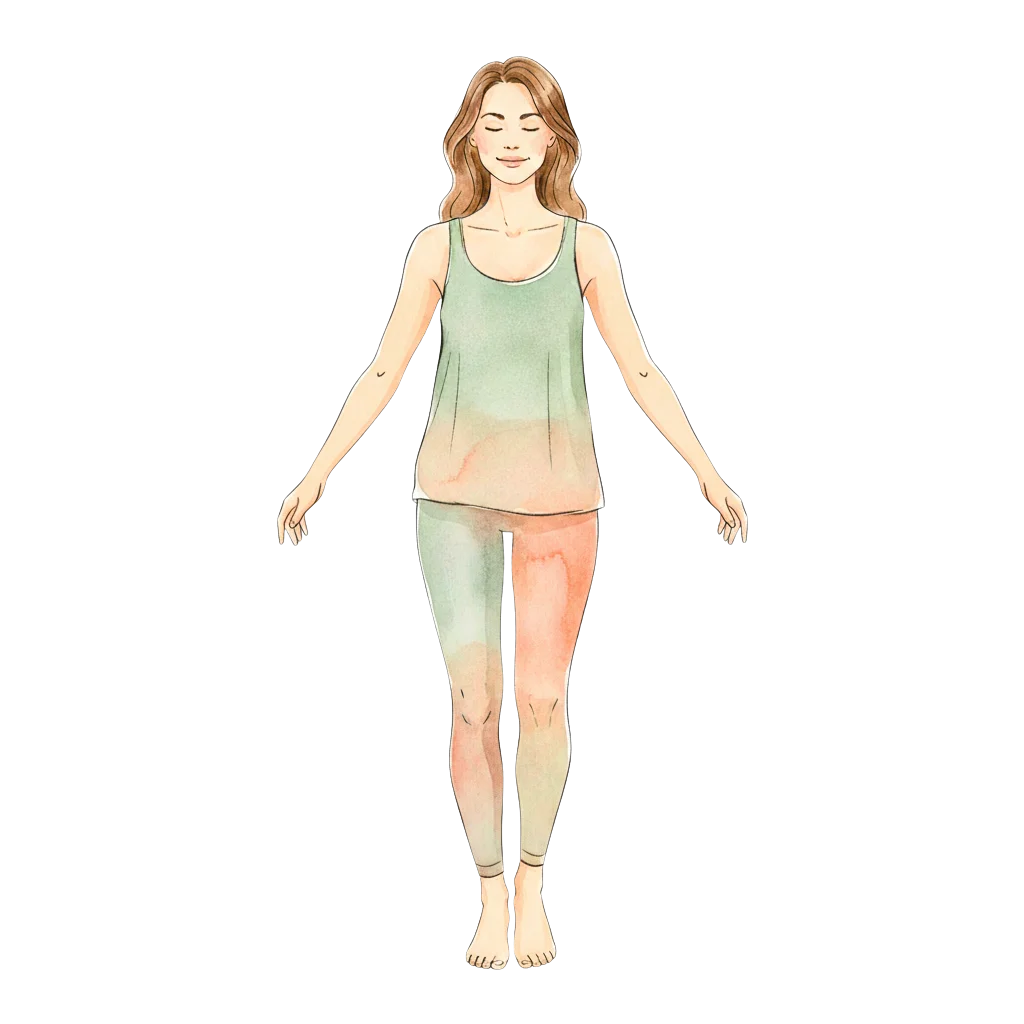
How Mood swings affects your body
Tap body zones to discover connected symptoms and related conditions.
Join 65+ women discussing mood swings
Real experiences shared across Reddit, TikTok, and health forums
Someone take my phone #mothers #motherhood #babies #womenshealth #emotional #lutealphase
Someone take my phone #mothers #motherhood #babies #womenshealth #emotional #lutealphase
Catherine O’Hara
Catherine O’Hara How is everyone else feeling about the news of her passing? I’m not typically someone that has the parasocial relationship hang ups. But the news about Catherine O’Hara’s death has...
Not when pregnant, but in the month after I gave birth. It was coming up to Christmas and I went shopping. All the lights and decorations were out and it was really magical! And then someone sneezed...
Reading others' stories is the first step. Join to share yours.
Community
A safe space for women navigating mood swings
Frequently asked questions
Common questions about Mood swings
How we research and fact-check
Every article on Wellls is researched using peer-reviewed medical literature, clinical guidelines, and real patient experiences from 165 online discussions.
Sources: We reference 51 PubMed-indexed studies, ACOG/NAMS clinical guidelines, and validated screening tools.
Review: Content is written by our editorial team, enriched from a medical knowledge base of 15,000+ sources. Evidence standards and clinical methodology guided by our Medical Advisory Board: Dr. Alexandra Rybakova and Dr. Alexander Rybakov, Lifestyle Medicine Physicians with 35+ years combined clinical practice.
This content is for informational purposes only and does not constitute medical advice. Our editorial standards · Medical advisory board
References
51 sources reviewed for this mood swings guide
- 1.
- 2.
- 3.
- 4.
- 5.
- 6.
- 7.
- 8.
- 9.
- 10.
History of updates
Current version (March 11, 2026) — Content reviewed and updated based on latest research
First published (March 1, 2026)
Explore related problems
Women who experience mood swings often also deal with these
Your personalized plan is ready
You've been Googling 'am I going crazy' at 2am long enough. The science behind your mood swings is clear, the treatments exist, and you deserve more than a dismissive 7-minute GP appointment. Your full guide, protocols, and AI doctor consultation are waiting inside.
Join 12,000+ women who stopped Googling symptoms at 2am and started understanding them.
Free assessment · Takes 2 minutes · No account required
Medical disclaimer: This content is for informational purposes only and does not constitute medical advice, diagnosis, or treatment. Always consult a qualified healthcare provider for personal medical decisions. Content is based on peer-reviewed research and updated regularly. Learn about our editorial standards.