New To Stretching — Workout 5
Exercise Breakdown
15 exercises in Workout 5
Warm-up1 exercise35s
“Take a full breath in, inhale, lift the arms.”
Flexibility9 exercises8m 28s
“Think of using your arms to push the knees apart.”
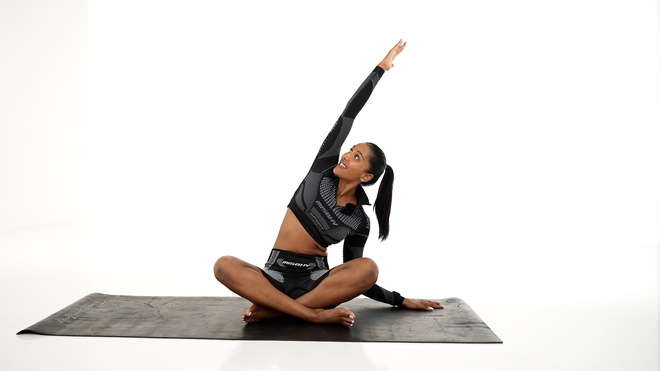
“Shift the weight up and over one side and then the other.”
“Trying to sit down all the way into our left hip.”
“Pull the toes up, and with every exhale, try to draw the chest all the way down.”
“Move my right knee out to the side and then back in.”
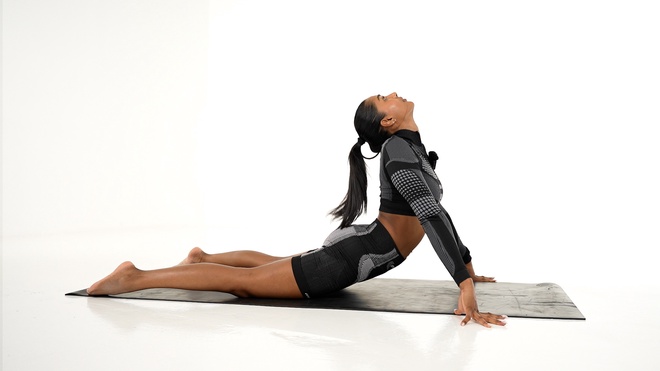
“Lower down onto those forearms and then breathe into the stretch.”
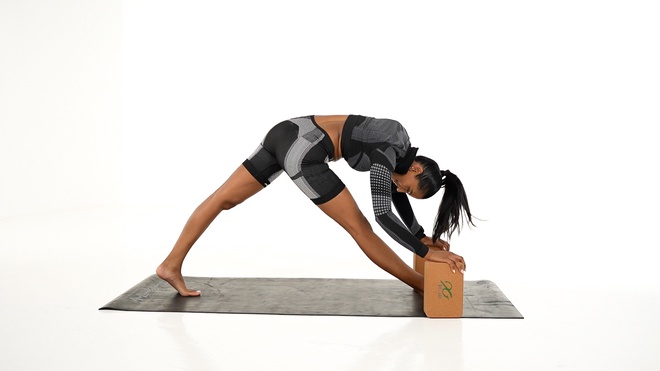
“Slightly move the feet out... slowly pull the chest down.”
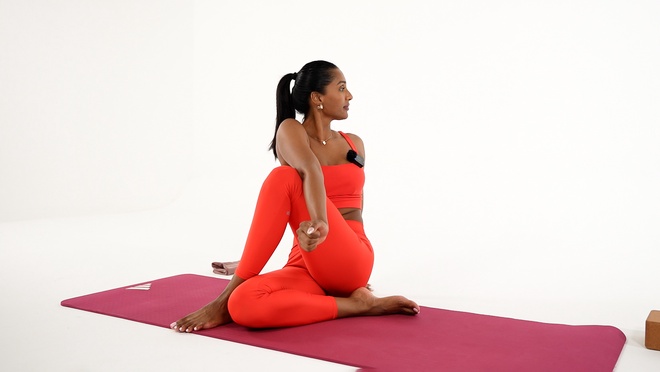
“Left ankle passes the right thigh... gently pulling this right leg down and across.”
Balance2 exercises2m 40s
“Flex my right foot, and bring the ankle past the left thigh.”
yoga2 exercises1m 50s
“Hold the outsides of the feet, pull your knees in.”
pilates1 exercise50s
“Squeeze the core. Give me a criss-cross with the legs and open wide.”
Muscles Targeted
Primary
Secondary
Equipment & Modifications
Equipment Needed
- block
Don't Have Equipment?
You can substitute with:
Available Modifications
- Lower back knee down for support
- Remove blocks to place forearms on floor
- Adjust block height
- Hands to floor for deeper stretch
- Place support under knees
- Rock side to side
- Straighten one leg at a time
Coaching Highlights from Mish Naidoo
“Left ankle passes the right thigh... gently pulling this right leg down and across.”
Form
“Try to straighten the left leg so we open up through the left side.”
Modification
“Mish approaches stretching with genuine reverence for the body. She weaves breath into every movement transition and encourages you to listen rather than force. Her style is gentle without being passive.”
Form
“Her favorite phrase is 'feel the spine get longer'. and she means it literally.”
Form
Health Benefits
Anyone carrying tension they didn't ask for. Women managing anxiety, insomnia will find the hips, inner_thighs, spine focus here addresses exactly the areas where stress lives in the body. Also: anyone who sits at a desk, carries children, or wakes up stiff. This is beginner level — your body sets the pace, not the clock.
anxiety
90% relevantparasympathetic activation; cortisol reduction; GABA boost via rhythmic movement
insomnia
90% relevantmelatonin support via relaxation; nervous system downregulation; muscle tension release
chronic pain
90% relevantpain gate modulation; endorphin release; joint mobility improvement; muscle tension release
hot flashes
90% relevantthermoregulation improvement; stress reduction (triggers flashes); autonomic nervous system training
marriage strain
90% relevantstress reduction through parasympathetic activation; emotional regulation and mindfulness; endorphin release for mood elevation; structured routine for stability and self-care; improved body awareness and interoception
Relevant For
Frequently Asked Questions
What muscles does this stretching workout target?
This routine focuses on hips, inner_thighs, spine, with secondary lengthening through hamstrings, glutes, hip_flexors. When we talk about hamstring stretches, it's not just about muscle length. Mish Naidoo cues fascial release alongside static holds, which targets the connective tissue wrapping around each muscle group. Research published in the Journal of Sports Science shows that consistent stretching of this type improves range of motion by 10-25% over 4 weeks. 15 exercises in 20 minutes gives each area adequate hold time.
Do I need any equipment for this workout?
You'll need: block. Don't have these? A thick towel on carpet works fine as a mat substitute — I've coached women who started with nothing but a clear floor space and still got results. The equipment here supports comfort and alignment — it doesn't make or break the workout. This aligns with principles of stretching for beginners that make sessions like this effective.
Is this workout suitable for beginners?
Yes. Mish Naidoo built this for people who are starting or restarting their movement practice. Every exercise has a clear entry point, and she demonstrates modifications throughout. Here's what I tell women who are nervous about starting: the first session is about learning the movements, not about intensity. Your body needs to build motor patterns before it can build capacity. Give yourself three sessions before you judge whether this works for you. This aligns with principles of morning stretching routine that make sessions like this effective.
How long is this stretching session?
About 20 minutes, including warm-up and cool-down. Mish Naidoo packs 15 exercises into that window — I want to be honest: 20 minutes doesn't sound like much. But research from the British Journal of Sports Medicine shows that even 15-20 minutes of structured exercise produces measurable improvements in cardiovascular health and mood when done consistently. It's not about marathon sessions. It's about showing up regularly.
Are there modifications available?
Yes, and this matters more than people realize. Mish Naidoo demonstrates modifications including: Lower back knee down for support; Remove blocks to place forearms on floor; Adjust block height — I've worked with women recovering from knee replacements, managing chronic pain, dealing with diastasis recti. Modifications aren't 'cheating'. they're how you make the exercise YOUR exercise. The American Physical Therapy Association emphasizes that individualized modification is key to long-term exercise adherence. Skip the ego, take the modification.
How does regular hamstring stretches improve flexibility?
Two things happen when you hold a stretch consistently. First, there's a neurological change — your nervous system learns to tolerate greater range of motion without triggering a protective reflex. That happens fast, often within the first two weeks. Second, structural changes in the muscle and fascia follow. Collagen fibers remodel along lines of stress, and muscle fibers add sarcomeres in series. That takes 4-8 weeks of consistent practice. This session with Mish Naidoo targets hips, inner_thighs, spine specifically. A full body stretch approach like this one works because it doesn't overwhelm any single tissue. Research in the Journal of Physical Therapy Science confirms that daily stretching of 15-30 seconds per muscle group is more effective than infrequent longer holds.
How often should I do this stretching workout?
Daily is ideal — I know that sounds like a lot, but here's why: flexibility gains from stretching are dose-dependent and partially reversible. Skip a week and you lose some of what you built. The good news? This 20-minute session is designed to be sustainable as a daily practice. If daily feels like too much, 4-5 times per week still produces meaningful improvement. A meta-analysis in the Scandinavian Journal of Medicine & Science in Sports found that stretching 5+ times per week produced significantly greater range of motion gains than 2-3 times per week.
Is this workout suitable for women over 35 or in perimenopause?
Here's something most fitness content ignores: estrogen is a natural anti-inflammatory and contributes to tissue elasticity. As estrogen declines in perimenopause, women often notice increased stiffness, particularly in hips, shoulders, and spine — exactly the areas this session targets. Regular stretching becomes even more important during this transition. It helps maintain joint health, reduces the morning stiffness many women over 35 report, and the parasympathetic activation from slow, breathful movement helps manage the cortisol spikes that accelerate during perimenopause. This isn't optional wellness. For women over 35, it's maintenance.
Can this routine help with hip flexor stretches for pain?
Short answer: yes, but let me explain why. The movements in this session systematically address the areas most commonly involved in hip flexor stretches for pain. Mish Naidoo sequences from general to specific, starting with broader warm-up movements and progressing to targeted holds. Research published in Physical Therapy Reviews shows that this kind of progressive approach is more effective for hip flexor stretches for pain than jumping straight into deep stretches. Your nervous system needs to feel safe before it allows increased range of motion. That's not weakness — that's intelligent biology.
Related Workouts & Topics
More from New To Stretching
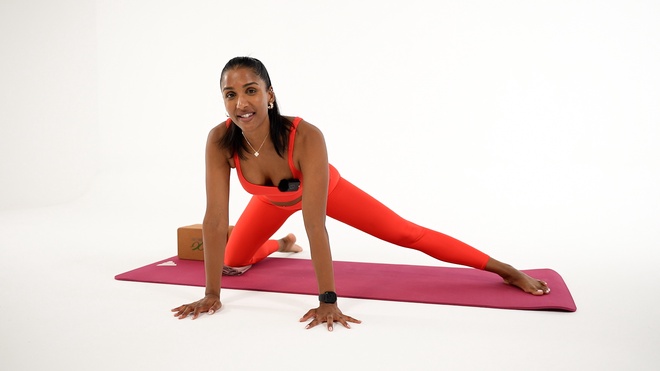
More with Mish Naidoo
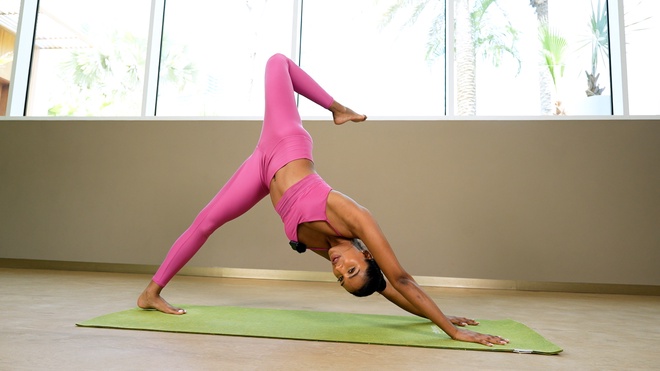
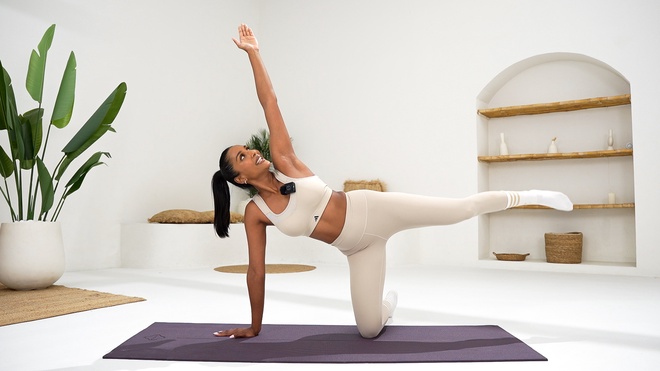
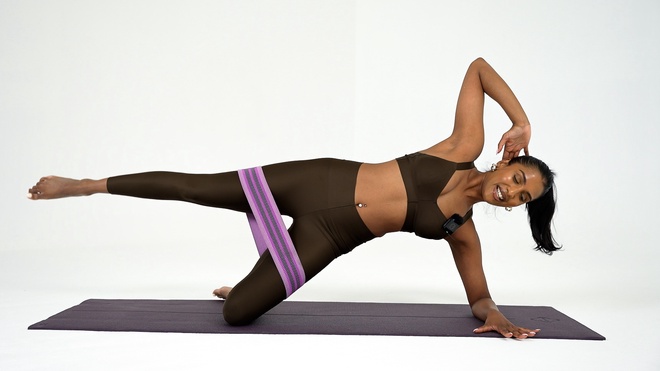
Browse Exercise Collections
Helpful For These Concerns
About the Trainer
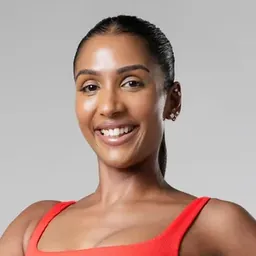
Mish Naidoo
Stretching Trainer
From: New To Stretching