Perimenopause Insomnia — Online Course
8-week CBT-I program for perimenopause insomnia. 18 lessons backed by 93 studies. Sleep science, hormonal support, lifestyle medicine. Free lesson. This is a 8-week evidence-based course with 18 lessons and 93 scientific citations designed for women. The course covers lifestyle medicine approaches including nutrition, movement, sleep optimization, stress management, and social connection.
Topics covered: perimenopause sleep problems, waking up at 3am perimenopause, menopause insomnia.
Course Outline
Module 1: Understanding Your Insomnia
Why perimenopause sleep problems start, what changed in your hormonal sleep architecture, and why sleep hygiene alone cannot fix it.
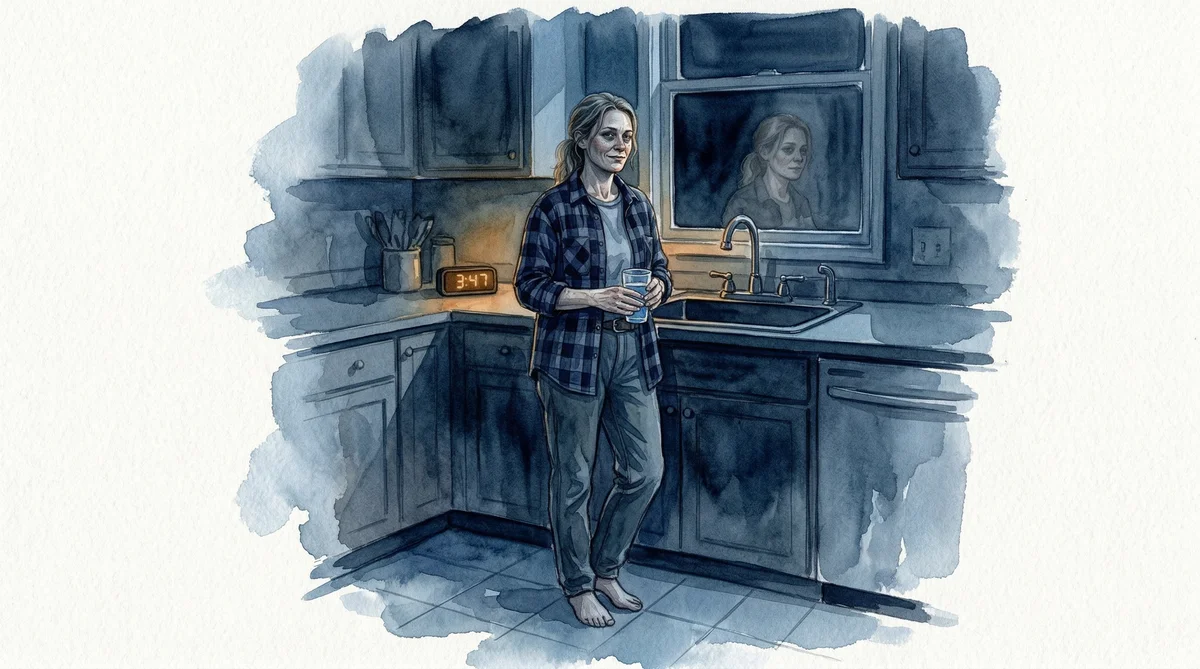
- 3:47 AM (12 min)
- Perimenopause insomnia affects 40-60% of women —this is not rare or 'in your head'
- Three hormonal systems drive it: progesterone-GABA decline, thermoneutral zone narrowing, cortisol clock shift
- Sleep hygiene alone is insufficient for hormonal insomnia —the pamphlet was designed for a different problem
- CBT-I is the gold-standard treatment, recommended by the AASM ahead of medication
- If you're waking up at 3am during perimenopause, it's likely a cortisol awakening response firing at the wrong hour — not worry or your bladder
- Perimenopause sleep problems require a hormone-aware protocol, not generic sleep hygiene tips designed for intact sleep systems
- Your Body's Off Switch Disappeared (14 min)
- Progesterone decline eliminates your body's endogenous sedative (allopregnanolone) that acts on the same receptors as Ambien
- Estrogen fluctuation narrows the thermoneutral zone via KNDy neurons, triggering night sweats from tiny temperature shifts
- The cortisol awakening response shifts to 3-4 AM, creating a self-reinforcing loop of sleep loss and HPA axis dysregulation
- Sleep hygiene was designed for intact sleep systems —your system was rewired by hormones
- The Cascade You Didn't Know You Were In (11 min)
- Insomnia is not isolated —it cascades into fatigue, brain fog, anxiety, and back to insomnia
- One night of sleep deprivation increases amygdala reactivity by 60% (Walker, UC Berkeley)
- Conditioned arousal at bedtime is more prevalent in perimenopausal women (Kalmbach, Henry Ford Health)
- Breaking any single link weakens the entire cascade —you do not need to fix everything at once
Module 2: Feeding Your Sleep
The magnesium your GABA system is missing, the wine trap, and the caffeine half-life nobody calculated for you.
- The 8 PM Kitchen (11 min)
- Magnesium glycinate (200-400mg) supports remaining GABA signaling —modest but real evidence
- Tryptophan-rich foods feed the melatonin production chain; eating with carbs helps absorption
- Mediterranean diet pattern shows consistent sleep associations through anti-inflammatory pathways
- Melatonin supplements address circadian timing, not the GABA/thermoregulatory root of hormonal insomnia
- The Wine You Already Know About (10 min)
- Alcohol enhances first-half sleep but fragments second-half sleep, suppresses REM, and worsens night sweats
- In perimenopause, even one glass measurably narrows an already compromised sleep window
- The ritual matters more than the molecule —replace the signal, not just the substance
- Two weeks alcohol-free with cascade diary tracking gives you personal data to decide from
- Fueling the Clock (10 min)
- Caffeine half-life is 5-6 hours; cut off by noon for sleep protection (10 AM for slow metabolizers)
- 95% of serotonin (melatonin precursor) is produced in the gut —dietary patterns affect neurotransmitter production
- Mediterranean diet pattern supports sleep through anti-inflammatory pathways and gut microbial diversity
- Finish eating by 8 PM to avoid thermoregulatory disruption; tart cherry concentrate is a low-risk addition
Module 3: Moving the Exhausted Body
Morning light for your circadian clock, yoga nidra for your nervous system, and the uncomfortable question you have been avoiding.
- The 5:45 AM Walk (11 min)
- Morning outdoor light (10,000+ lux) anchors the circadian rhythm; indoor light is orders of magnitude too dim
- Exercise improves sleep but takes 16 weeks of consistency —start now, expect results in month 3-4
- Walking counts; consistency and morning timing matter more than intensity or modality
- No vigorous exercise within 3 hours of bed; no hot yoga with hot flashes
- The Body Scan That Broke Something Open (10 min)
- Yoga nidra activates the parasympathetic system without sleep effort —bypassing conditioned arousal
- Guided body scanning reveals unconscious tension patterns (jaw, shoulders, fists) that perpetuate wakefulness
- It is a support tool for CBT-I, not a replacement —reduces arousal that makes the main protocol harder
- The ability to rest is dormant, not destroyed —the capacity is still there
- The Hours That Were Yours (12 min)
- Secondary gain: insomnia may unconsciously provide solitude, permission, validation, or protection from demands
- The psyche builds fortresses for good reasons —this is intelligence, not self-sabotage
- Naming what insomnia gives you is essential before behavioral protocols can produce lasting change
- The question stays open deliberately —you do not need to resolve it today
Module 4: The Sleep Protocol
CBT-I: sleep restriction, stimulus control, and the setback that proves the protocol works. The hardest module. The most effective.
- The Protocol That Sounds Like Punishment (13 min)
- Sleep restriction compresses time in bed to match actual sleep time, building irresistible sleep pressure
- The first 3-4 days are brutal; by day 4-5, sleep onset typically drops dramatically
- HABIT trial (Lancet, 2023): effect size g=0.93, NNT=2.7 —the strongest insomnia intervention data
- MsFLASH trial: 84% insomnia remission at 24 weeks in perimenopausal women
- Stimulus Control and the Empty Bed (11 min)
- Stimulus control breaks the bed-wakefulness association through five specific rules (Bootzin, 1972)
- Go to bed sleepy not tired; leave after 15-20 minutes of wakefulness; fixed wake time daily
- Living alone makes the protocol harder —tell someone so you are not doing this in isolation
- Track sleep efficiency: above 85% = expand window by 15 min; below 85% = contract
- The Night It All Fell Apart (12 min)
- Setbacks are expected in CBT-I —every protocol includes relapse prevention as a core component
- Conditioned arousal returns faster after disruption but recovers faster too, because new sleep pathways exist
- Return to the protocol immediately: same wake time, same window, no 'catching up'
- Recovery from a 3-day disruption typically takes 2-3 nights of consistent protocol
Module 5: Your Nervous System's New Response
The body scan at 3 AM, the worry journal at 8 PM, and the cortisol clock you can actually reset.
- The Body Scan at 3 AM (12 min)
- The breakthrough is not sleeping through the night —it is the absence of panic when you wake
- 40 minutes awake at low arousal is neurologically cheaper than 20 minutes at high arousal
- Body scan redirects attention from rumination to sensation, occupying the channel that fuels catastrophic thoughts
- The 10-second check: jaw, shoulders, hands. Set the trajectory before panic forms.
- The Worry Journal at 8 PM (10 min)
- Worry journaling is cognitive offloading, not emotional processing —transfer thoughts from working memory to paper
- Constructive worry (worry + next step) is more effective than simple venting
- 8 PM timing creates 2+ hours of buffer before bed for offloading to take effect
- Recognizing 3 AM thoughts as 'reruns' reduces their cortisol impact
- The Cortisol Clock —Resetting Your HPA Axis (12 min)
- The 3 AM waking is a premature cortisol spike, not random —it responds to circadian interventions
- Five evidence-based HPA axis resets: consistent wake time, morning light, regular exercise, evening cortisol reduction, social rhythm
- Each module recalibrated one dial —together they restore the cortisol rhythm
- Supplements marketed as 'cortisol support' address a category error; the need is circadian regulation
Module 6: Coming Home to Sleep
The conversation with your partner, the bookend that closes the course, and your new baseline.
- The Conversation at the Kitchen Table (11 min)
- Social isolation worsens insomnia through irregular schedules, increased rumination, and cortisol from unshared stress
- Telling someone the truth about your insomnia breaks the isolation that fuels the 3 AM spiral
- Specific asks ('room cooler, don't take 3 AM personally') are more effective than general complaints
- Emotional disclosure measurably reduces cortisol —carrying shameful secrets disrupts the HPA axis
- The Woman at the Kitchen Sink (10 min)
- The bookend: same kitchen, same sink, different woman. Agency replaced imprisonment.
- Integration is quiet: worry lists shortening, body scans becoming automatic, tools running in the background
- Most women will not return to pre-perimenopause sleep quality —but the response to bad nights transforms
- Not cured. Equipped. Not great. Enough.
- Your New Baseline (12 min)
- 8-week summary: biology (why), nutrition (fuel), movement (circadian), CBT-I (protocol), stress (response), social (connection)
- Daily non-negotiables: fixed wake time, morning light, caffeine cutoff, no late eating
- Setback protocol: return to rules immediately, body scan first night, recovery in 48 hours
- Escalate if: no improvement after 8 weeks, suspected apnea, severe hot flashes, persistent depression
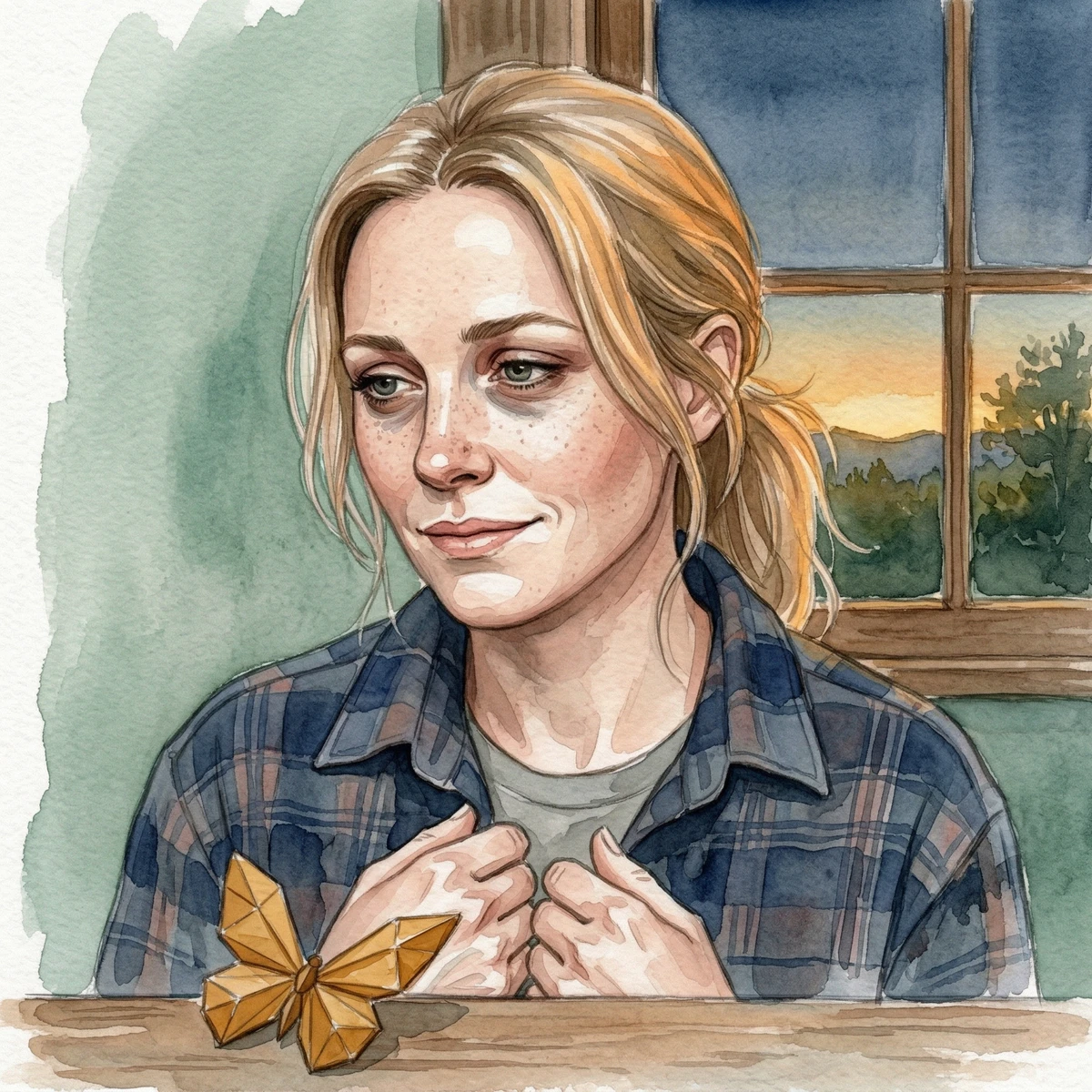
Perimenopause Insomnia — 8-Week Program
CBT-I, hormonal science, and nervous system regulation for women who have tried everything the pamphlet says
18
Lessons
4h 4min
Total Duration
141
Scientific Citations
6
Actionable Modules
Evidence-based lifestyle medicine from practicing doctors
Personalized AI companion (Dr. Wellls) included
Transform your energy, sleep, and hormones in 56 days
6 practical modules you can start using today
Choose your access level
Next charge: $49/month in 7 days. Cancel with 2 clicks anytime.
Free preview
No signup needed
Lesson 1: 3:47 AM
Perimenopause insomnia affects 40-60% of women —this is not rare or 'in your head'
Read free lessonCourse Community
Women in this course
Other Body & Energy Courses
View all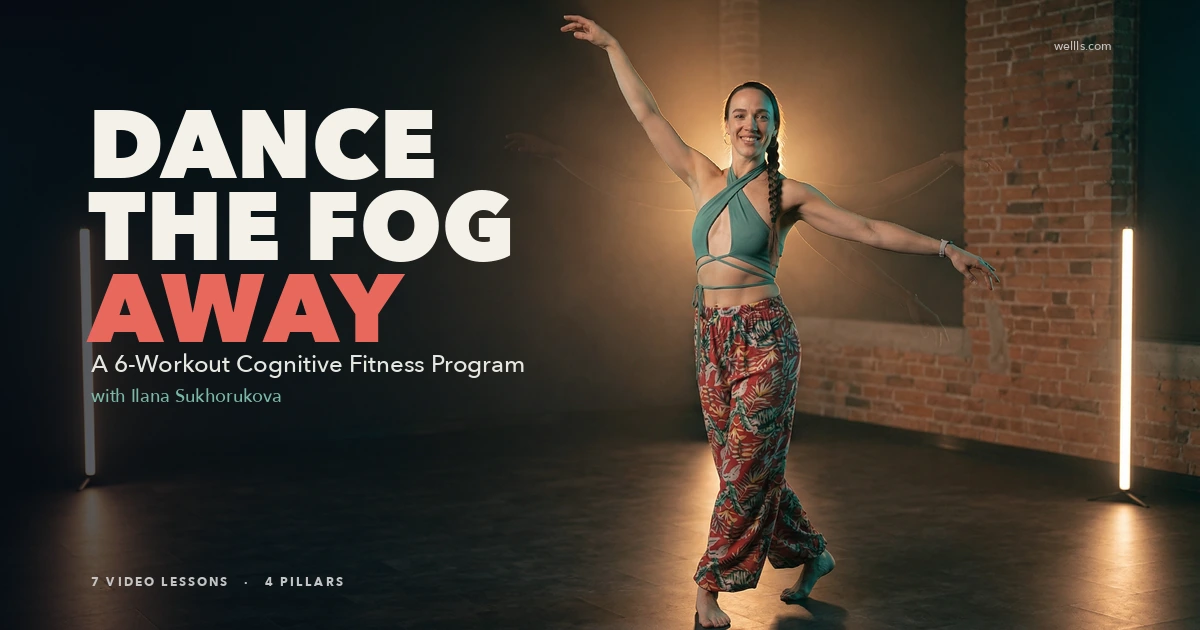
Dance the Fog Away — A 6-Workout Brain-Fog Dance Program with Ilana Sukhorukova
Six 17-minute dance sessions built around the cross-body coordination drills that lift brain fog and wake up your focus — no dance experience, no equipment, no studio.
50 scientific sources
Start course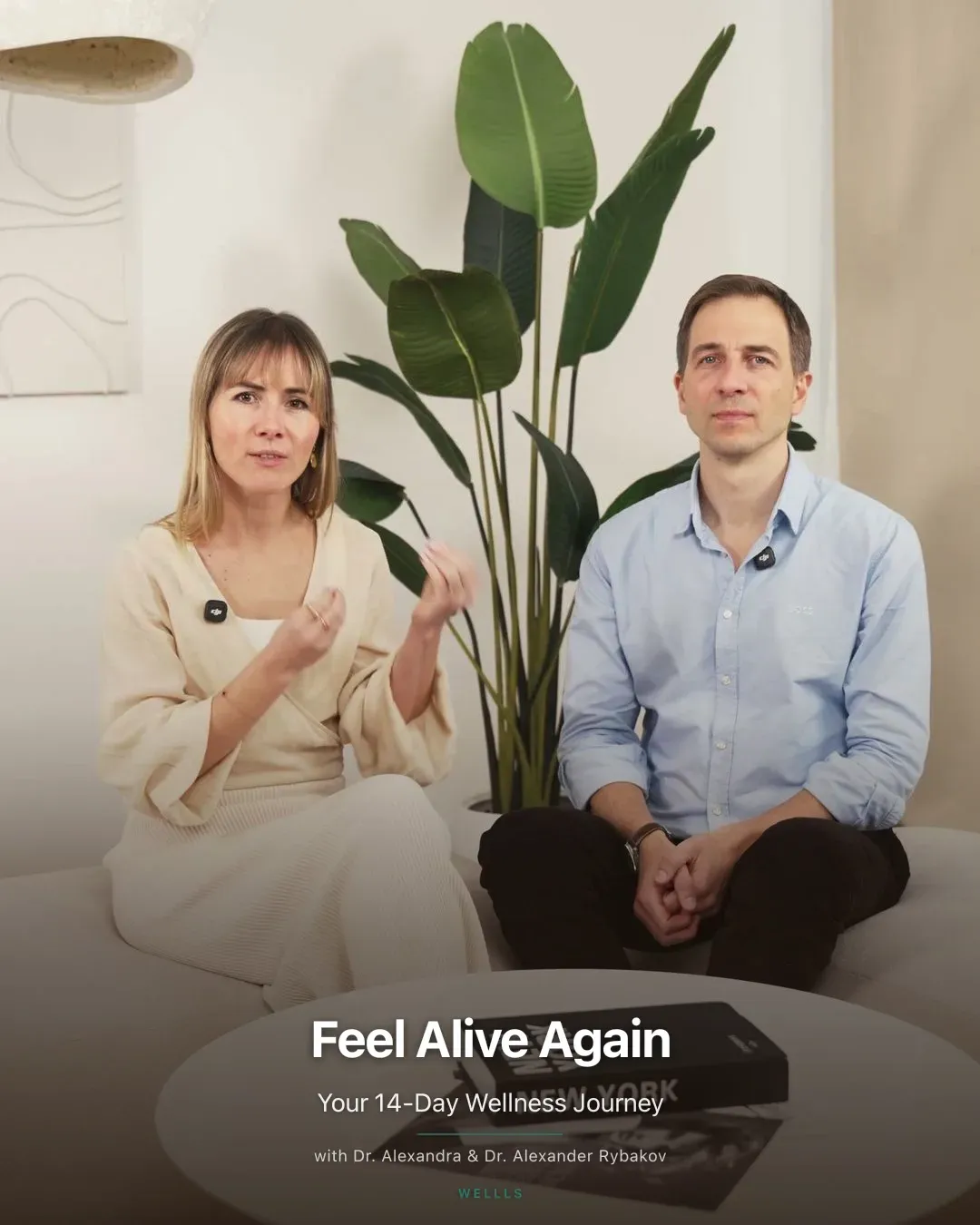
Feel Alive Again: Your 14-Day Wellness Journey
A 14-day evidence-based journey with Dr. Alexandra & Dr. Alexander Rybakov
72 scientific sources
Start course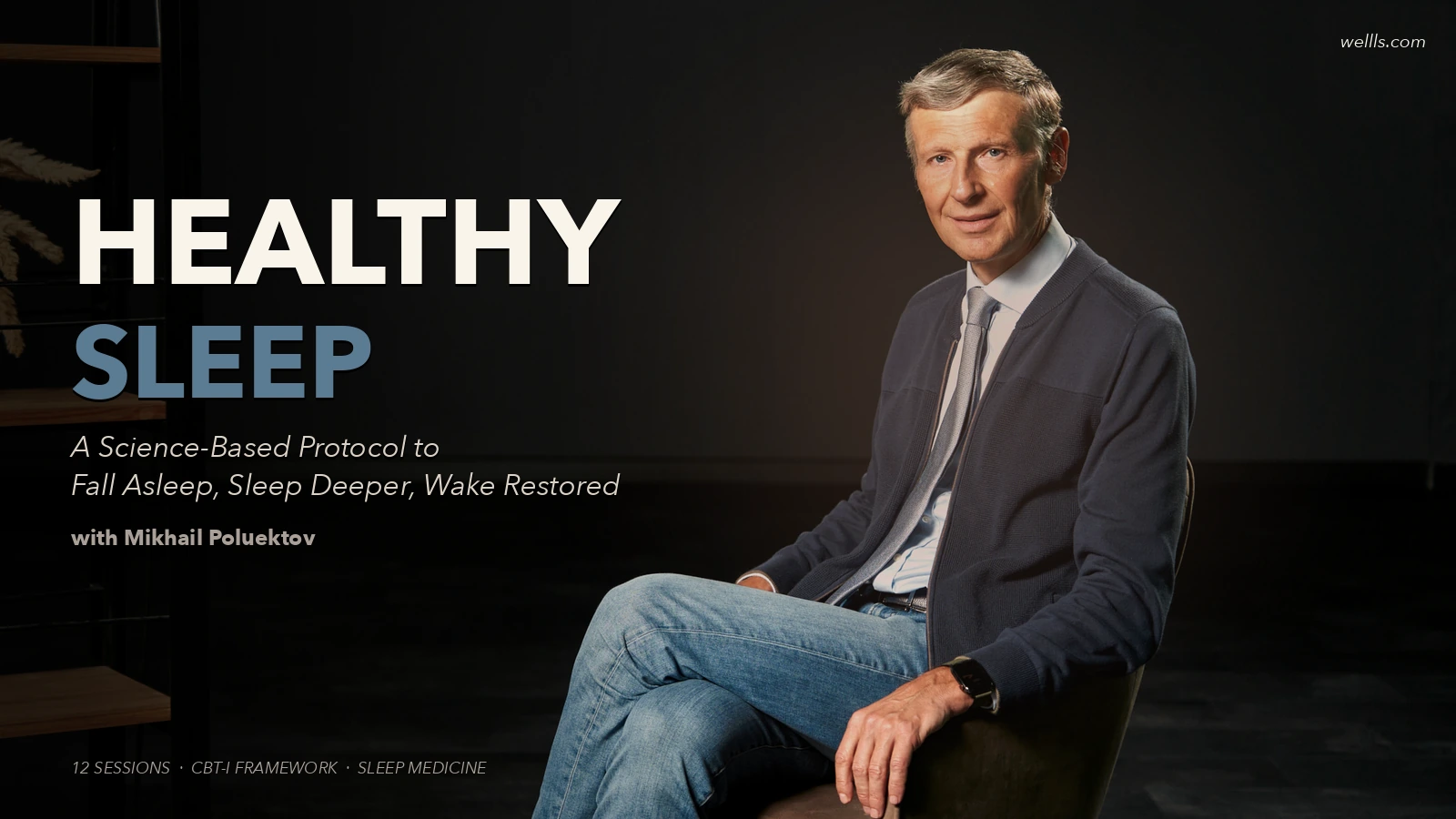
Healthy Sleep: A Science-Based Protocol to Fall Asleep Faster, Sleep Deeper & Wake Up Actually Restored
12 sessions. The sleep science that changes everything.
48 scientific sources
Start course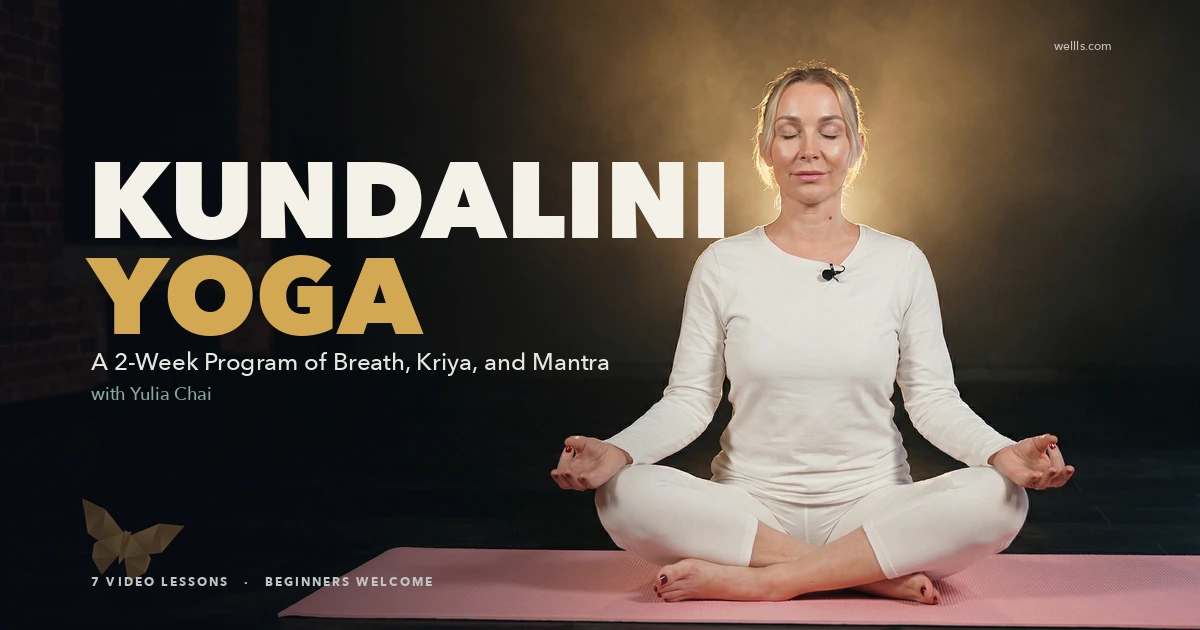
Kundalini Yoga
A 2-week gentle practice with Yulia Chai — movement, breath, and mantra to wake up the body and calm the mind
47 scientific sources
Start course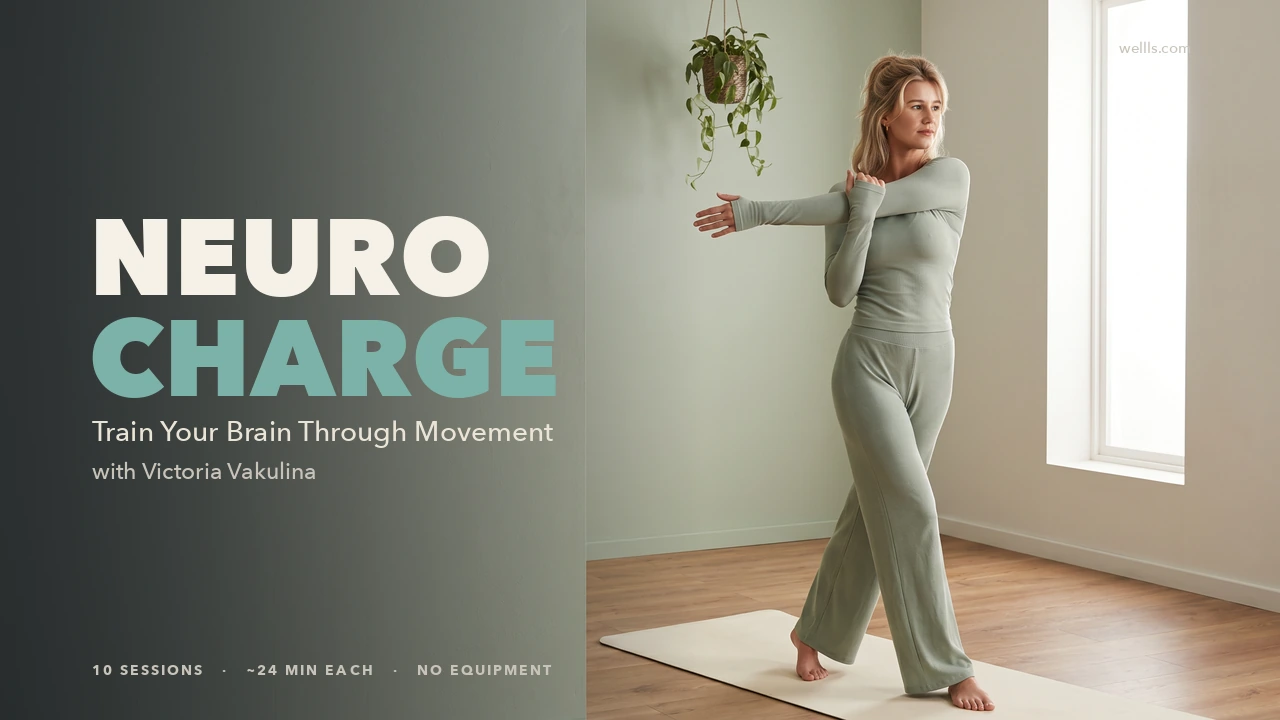
NeuroCharge: A Daily 24-Minute Workout That Trains Your Brain as Much as Your Body
10 sessions. Cross-body coordination, vestibular input, and the kind of movement that builds neuroplasticity in real time.
50 scientific sources
Start course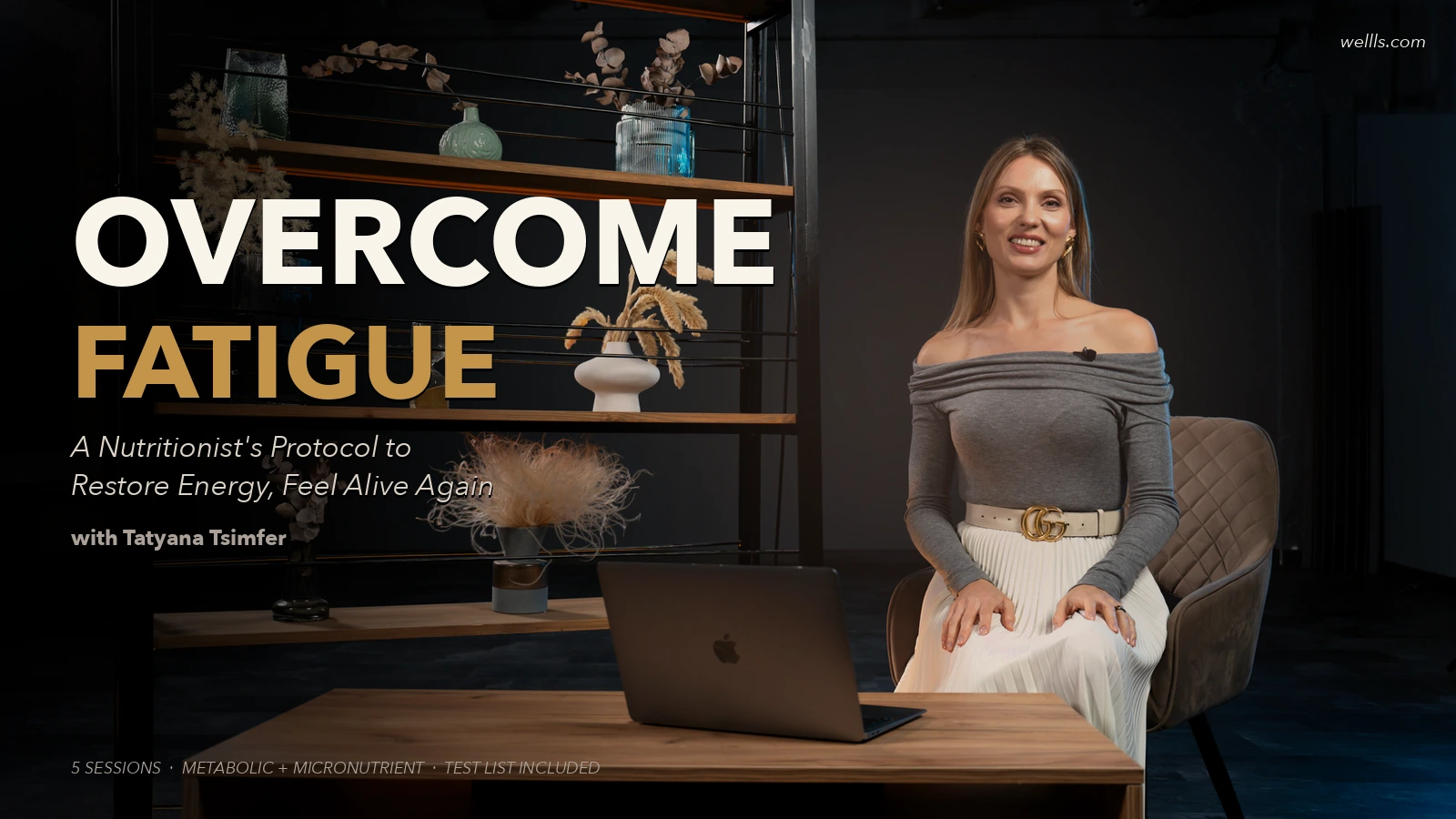
Overcome Fatigue: A Nutritionist's Protocol to Restore Energy, Break the Coffee Cycle & Feel Alive Again
5 sessions. The energy protocol that addresses the actual cause.
48 scientific sources
Start course
Perimenopause Fatigue — 8-Week Program
Mitochondrial science, nutritional rehabilitation, and the medical investigation you should have had from the first appointment
135 scientific sources
Start course