Roll Up To Stand: How-to, Benefits & Variations
The pilates roll up builds core strength through spinal articulation. Lie flat, roll up to sitting, then stand. Trains sequential spinal control.
Roll Up To Stand: How-to, Benefits & Variations
Try this. Do five reps with perfect form. Notice which muscles fatigue first. That is your body telling you exactly what the roll up to stand is designed to fix.
This exercise targets the gaps that daily life and desk work create. Anastasia Zavistovskaya uses it in multiple Wellls workouts because it addresses weakness patterns that compound over time.
Pilates: Barre 4
Anastasia Zavistovskaya
How to Do Pilates Roll Up
Lie flat on your back with arms extended overhead, legs together and straight.
Inhale to prepare. On the exhale, peel your spine off the floor one vertebra at a time, reaching your arms forward.
Continue rolling up through a seated position. As you reach forward past your toes, tuck one foot under you.
Press through your foot and use your momentum to roll all the way to standing.
Reverse the movement: lower back down with control. If the full roll-up is too challenging, bend your knees slightly.
Muscles Worked
Primary
Primary muscles
Main muscles targeted by the roll up to stand.
Secondary
Stabilizer muscles
Support primary movers and maintain joint alignment.
Why this matters in perimenopause
Women lose lean muscle mass from their 30s, accelerating during perimenopause as estrogen drops. Regular exercise counteracts this by preparing the body for movement and reducing injury risk.
Coach's Tips
"Go up, vertebra by vertebra, really slowly." That is Anastasia Zavistovskaya's cue. This detail makes the difference between an effective rep and a wasted one.
Anastasia Zavistovskaya
"Slide it forward and ground your heels. So here you are." That is Anastasia Zavistovskaya's cue. This detail makes the difference between an effective rep and a wasted one.
Anastasia Zavistovskaya
If anything feels sharp rather than challenging, stop immediately. Back off the depth and reassess your alignment. Discomfort is fine. Pain is a message.
Reduce speed or range of motion until your body adapts.
Why This Matters for You
Joint stiffness is one of the most common and least discussed perimenopause symptoms. Declining estrogen affects synovial fluid production and cartilage maintenance. The roll up to stand addresses this by stimulating blood flow, joint lubrication, and neural activation before your muscles are asked to work.
Skipping warm-ups during perimenopause is riskier than at 25. Connective tissue is less elastic, recovery takes longer. Five minutes of targeted warm-up is the cheapest insurance you can buy.
Variations & Modifications
Benefits
Prepares your joints for load
The roll up to stand lubricates joint surfaces by stimulating synovial fluid production. Cold joints creak. Warm joints glide.
Activates stabilizer muscles
Small stabilizers need to fire before larger movers take over. Warm-up movements wake them up.
Reduces perceived effort
A proper warm-up makes your workout feel easier because your body is prepared to do more.
Mental transition into training
Five minutes of intentional movement shifts your brain from work-mode to training-mode.
Common Mistakes to Avoid
Moving too fast
Warm-up movements should be controlled and gradually increase range.
Skipping the warm-up entirely
Cold muscles produce less force and tear more easily. Five minutes prevents weeks of recovery.
Going through the motions mindlessly
Pay attention to what feels stiff or tight. Those areas need extra attention.
Only warming up in one direction
Your warm-up should match your workout. Warm up the specific joints you will load.
Workouts Featuring This Exercise
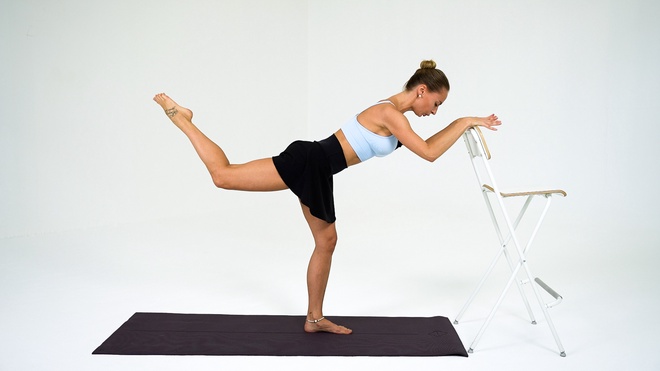
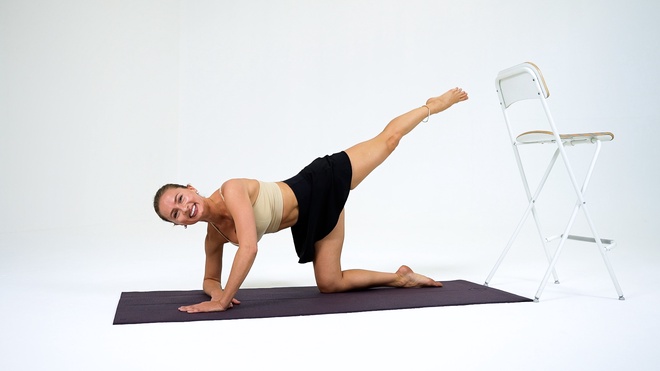
Join women building health and resilience with certified trainers
Frequently Asked Questions
Related Exercises
Bent Over Row
Complements the roll up to stand by targeting related muscle groups and movement patterns.
Reverse Fly
Complements the roll up to stand by targeting related muscle groups and movement patterns.
Knees to Chest
Complements the roll up to stand by targeting related muscle groups and movement patterns.
Knee Hug
Complements the roll up to stand by targeting related muscle groups and movement patterns.
Get pilates roll up in a guided workout
Access 2 workouts featuring this exercise, plus personalized plans from Dr. Wellls.
Join women building health and resilience with certified trainers
Your membership funds independent women's health research