Downward Facing Dog: How-to, Benefits & Variations
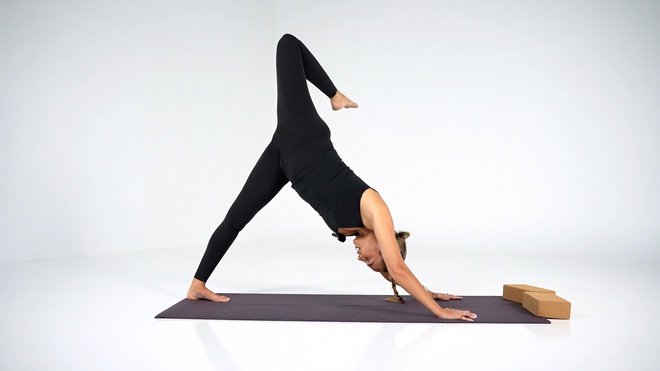
Downward-facing dog stretches hamstrings, calves, and shoulders while building arm strength. Hands wide, hips high, spine long.
Downward Facing Dog: How-to, Benefits & Variations
Hands on the floor, hips high, body in an inverted V. Downward-facing dog is the most recognized yoga pose in the world, and also one of the most incorrectly performed. Straight arms. Straight spine. Heels reaching toward the floor but not forcing it. When you get it right, it simultaneously stretches your hamstrings, calves, and shoulders while building arm and core strength. When you get it wrong, it is just a sore neck with a view of your knees.
Morning Yoga Flow 2
Mish Naidoo
How to Do Downward Facing Dog
Start in the initial position for downward facing dog. Breathe steadily and find your alignment before moving deeper.
Move into the stretch slowly, following your breath. Never force past discomfort.
Hold the position for 20-30 seconds, breathing deeply into the stretch.
Release slowly and repeat on the other side if applicable.
Jessica Casalegno adds: "Inhale, just tap the knees all the way down. All fours, as you exhale, all the way up into that downward dog."
Muscles Worked
Primary
Secondary
Why this matters in perimenopause
yoga reduces cortisol and anxiety symptoms that spike during perimenopause. The downward facing dog directly supports this by targeting key muscle groups.
Coach's Tips
"Walking your dog a few times, bringing your chest towards your thighs, so you're opening your shoulders even more." - Petra Kapiciakova
Petra Kapiciakova
"As you exhale, without touching the floor, bend your knees, bend your elbows, drag your tailbone up and back." - Mish Naidoo
Mish Naidoo
"Inhale, just tap the knees all the way down. All fours, as you exhale, all the way up into that downward dog." - Jessica Casalegno
Jessica Casalegno
"Spread those fingers so we don't slide." - Danielle Harrison
Danielle Harrison
"If your heels do not touch the floor, have a soft bend in the knees so that the spine can become nice and straight." - Mish Naidoo
Mish Naidoo
"take five deep breaths" - Mish Naidoo
Mish Naidoo
Why This Matters for You
yoga reduces cortisol and anxiety symptoms that spike during perimenopause. The downward facing dog supports overall functional fitness during a time when the body needs it most. Research supports this type of exercise for women during the menopausal transition.
Variations & Modifications
Downward Dog Pedals
lowDown Dog to Bear Hover
mediumCool-down: Downward Dog to Child's Pose
lowDownward Dog Twist (Ankle Grabs)
mediumDown Dog with Hip Circles
mediumDownward Dog Walkout
lowBenefits
Strengthens and conditions the whole body
The downward facing dog builds functional capacity that supports everything from carrying groceries to hiking.
Supports your body through hormonal changes
yoga reduces cortisol and anxiety symptoms that spike during perimenopause. The downward facing dog directly addresses this.
Requires minimal equipment
No equipment needed. You can do the downward facing dog at home, in a hotel room, or between meetings.
Common Mistakes to Avoid
Forcing the stretch past pain
Discomfort is acceptable. Sharp or stabbing pain is not. Back off until you feel a pull, not a stab.
Holding your breath during the hold
Breathe steadily and deeply. The stretch actually deepens when you exhale and relax into it.
Common form breakdown
Danielle Harrison warns: "Spread those fingers so we don't slide."
Workouts Featuring This Exercise
Join women building strength and confidence with certified trainers
Frequently Asked Questions
Related Exercises
Get downward facing dog in a guided workout
Access 5 workouts featuring this exercise, plus personalized plans from Dr. Wellls.
Join women building strength and confidence with certified trainers
Your membership funds independent women's health research