Power Jack: How-to, Benefits & Variations
Power jacks combine a jumping jack with a squat. Jump feet wide into a squat, jump back together. Builds cardio fitness fast.
Power Jack: How-to, Benefits & Variations
Try this. Do five reps with perfect form. Notice which muscles fatigue first. That's your body telling you exactly what the power jack is designed to fix.
This exercise targets the gaps that daily life and desk work create. Aylar Fetrati uses it in multiple Wellls workouts because it addresses weakness patterns that compound over time.
Muscle Tone: Full Body Hiit 4
Aylar Fetrati
How to Do Power Jacks
Stand with feet together, arms at your sides. This is your starting position.
Jump your feet out wide while simultaneously bringing your arms overhead in a big circle. Sink into a wide squat as you land.
Immediately jump your feet back together while swinging your arms back down to your sides.
The movement should be explosive and continuous, like a combination of a jumping jack and a squat jump.
Land with soft knees every time. If the impact is too much, step one foot out at a time instead of jumping.
Muscles Worked
Primary
Primary muscles
The main muscles targeted by the power jack, responsible for producing the movement force.
Secondary
Stabilizer muscles
Support the primary movers and maintain proper joint alignment throughout the movement.
Why this matters in perimenopause
Women lose lean muscle mass progressively from their 30s, and the decline accelerates during perimenopause as estrogen levels drop. Regular exercise directly counteracts this decline by preparing the body for training and reducing injury risk that increases with age.
Coach's Tips
"Grab your weights." That's Aylar Fetrati's cue. This detail makes the difference between an effective rep and a wasted one.
Aylar Fetrati
If anything feels sharp rather than challenging, stop immediately. Back off the depth and reassess your alignment. Discomfort is fine. Pain is a message.
Reduce the speed or range of motion until your body adapts. Intensity should build over sessions.
Match your breath to the movement. Steady breathing activates the parasympathetic nervous system, which helps muscles relax and respond.
Why This Matters for You
The power jack directly addresses three perimenopause priorities: muscle preservation, bone loading, and metabolic health. Estrogen decline after 40 accelerates sarcopenia, the age-related loss of lean muscle that changes body composition, weakens joints, and slows metabolism. Resistance training is the strongest evidence-backed countermeasure.
A 2023 network meta-analysis of 19 RCTs involving 919 postmenopausal women found moderate-intensity resistance training 3 days per week significantly improved lumbar spine and femoral neck bone mineral density. The effect was most pronounced during the first 48 weeks, meaning early adoption matters. The power jack loads the exact skeletal sites and muscle groups that perimenopause targets first.
Variations & Modifications
Benefits
Elevates heart rate without equipment
The power jack gets your heart pumping using only bodyweight. No treadmill, no bike, no gym. Just your body and a small patch of floor.
Burns calories efficiently
High-intensity bodyweight exercises create an EPOC (excess post-exercise oxygen consumption) effect. You continue burning calories for hours after you stop moving.
Builds explosive power
Fast-twitch muscle fibers decline faster than slow-twitch during perimenopause. Explosive movements like this one keep those fast-twitch fibers active and responsive.
Improves cardiovascular fitness in minutes
Research shows short bouts of high-intensity exercise (10-20 minutes) produce cardiovascular benefits comparable to moderate-intensity exercise lasting twice as long.
Common Mistakes to Avoid
Sacrificing form for speed
Sloppy high-speed reps stress joints without training muscles effectively. Slow down until form is automatic, then increase speed.
Landing with stiff legs
Every landing should be soft, with bent knees absorbing the impact. Straight-leg landings send shock through your knees and spine.
Not breathing rhythmically
Match your breathing to the movement. Exhale on exertion, inhale on recovery. If you cannot catch your breath, slow down.
Skipping the cooldown
Stopping abruptly after high-intensity cardio can cause blood pooling and dizziness. Walk for 2-3 minutes to bring your heart rate down gradually.
Workouts Featuring This Exercise
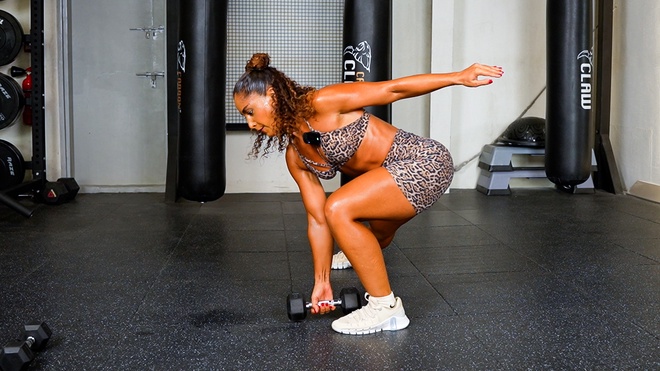
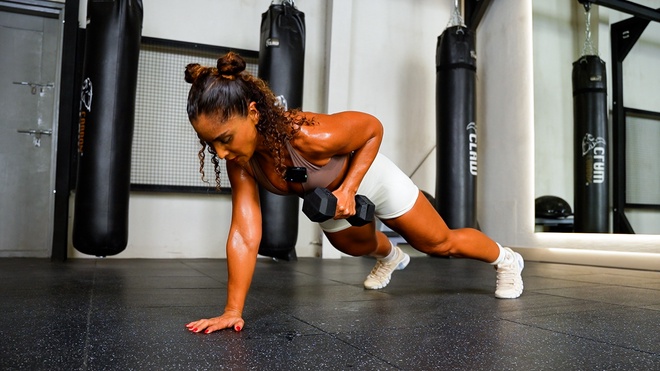
Join women building health and resilience with certified trainers
Frequently Asked Questions
Related Exercises
Crunches
Complements the power jack by targeting related muscle groups and movement patterns.
Lateral Raise
Complements the power jack by targeting related muscle groups and movement patterns.
Romanian Deadlift
Complements the power jack by targeting related muscle groups and movement patterns.
Bulgarian Split Squat
Complements the power jack by targeting related muscle groups and movement patterns.
Glute Bridge
Complements the power jack by targeting related muscle groups and movement patterns.
This exercise helps with
Get power jacks in a guided workout
Access 2 workouts featuring this exercise, plus personalized plans from Dr. Wellls.
Join women building health and resilience with certified trainers
Your membership funds independent women's health research