Single Leg Toe Tap: How-to, Benefits & Variations
Single leg toe taps build balance and ankle stability. Stand on one foot, tap the other forward, side, and back. Strengthens stabilizers and improves coordination.
Single Leg Toe Tap: How-to, Benefits & Variations
Stand on one foot. Now tap the other foot forward, to the side, behind you. If your standing leg is shaking like a leaf in a storm, congratulations: you just found the weak link in your lower body.
Single-leg toe taps expose the imbalances that bilateral exercises hide. Your dominant leg has been compensating for years, maybe decades, and you never noticed because squats and lunges let it carry the load. This exercise strips away that crutch. One leg works. The other waits. And whatever wobble shows up is exactly what needs fixing.
The movement is deceptively simple. Stand tall, shift weight to one leg, and tap the opposite foot to specific targets around you. But "simple" and "easy" are not the same thing. Your ankle stabilizers, hip abductors, and deep core muscles all fire simultaneously to keep you upright. That coordination is what prevents rolled ankles, knee pain, and the kind of stumble that turns a cracked sidewalk into a real problem.
Pilates Sculpt 7 Days Challenge 1
Amelia Jane
How to Do Single Leg Toe Taps
Set up in the starting position for single leg toe tap. Feet hip-width apart (or as the exercise requires). Engage your core before initiating any movement.
Begin the movement with control. Amelia Jane cues: "If you start to feel the space goes, come back. You see the shake happen? Abs are connected."
Complete the full range of motion. "Try to keep spine neutral, like a little marble underneath your lower back."
Return to the starting position with control. Don't rush the eccentric (lowering) phase.
Amelia Jane adds: "Place hands in diamond shape on belly to monitor stability."
Muscles Worked
Primary
Secondary
Why this matters in perimenopause
resistance training preserves muscle mass and bone density during perimenopause. The single leg toe tap directly supports this by targeting key muscle groups.
Coach's Tips
"If you start to feel the space goes, come back. You see the shake happen? Abs are connected." - Amelia Jane
Amelia Jane
"Try to keep spine neutral, like a little marble underneath your lower back." - Amelia Jane
Amelia Jane
"Place hands in diamond shape on belly to monitor stability." - Amelia Jane
Amelia Jane
Why This Matters for You
resistance training preserves muscle mass and bone density during perimenopause. The single leg toe tap loads bones and builds lean muscle during a time when the body needs it most. Research supports resistance training for women during the menopausal transition.
Variations & Modifications
Benefits
Builds strength
The single leg toe tap targets a key muscle group, making it efficient for building functional strength that transfers to daily activities.
Supports your body through hormonal changes
resistance training preserves muscle mass and bone density during perimenopause. The single leg toe tap directly addresses this.
Requires minimal equipment
No equipment needed. You can do the single leg toe tap at home, in a hotel room, or between meetings.
Common Mistakes to Avoid
Using momentum instead of muscle
Slow down. If you can't complete the single leg toe tap with a two-second pause at the hardest point, the weight is too heavy or you're moving too fast.
Holding your breath
Exhale during the effort phase, inhale during the return. Holding your breath spikes blood pressure and reduces core stability.
Workouts Featuring This Exercise
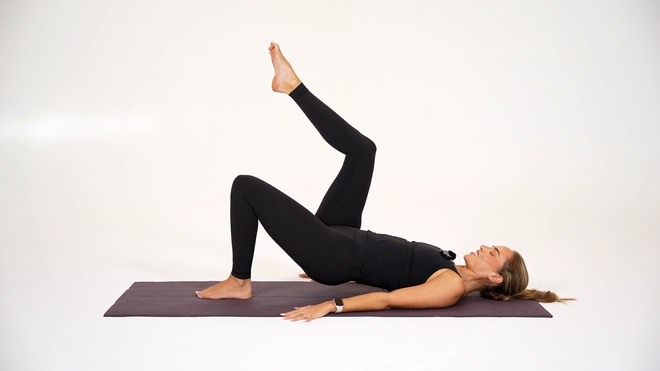
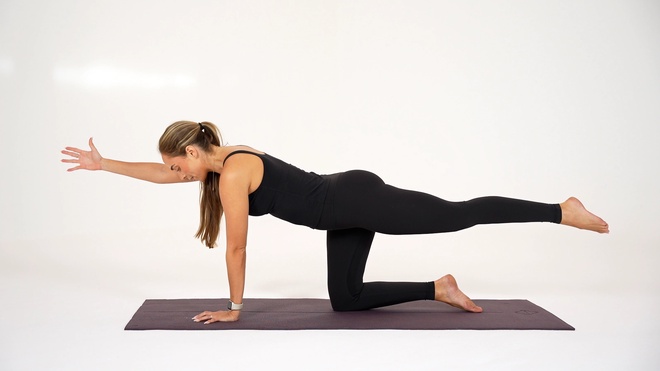
Join women building strength and confidence with certified trainers
Frequently Asked Questions
This exercise helps with
Get single leg toe taps in a guided workout
Access 2 workouts featuring this exercise, plus personalized plans from Dr. Wellls.
Join women building strength and confidence with certified trainers
Your membership funds independent women's health research