Grief anxiety affects up to 57% of women after loss. It activates the HPA axis, elevates cortisol, and can cause panic attacks. Grief-specific CBT shows 51% response rates.
Why Does Grief Hit Me So Hard Out of Nowhere?
57% of women report complicated grief reactions after significant loss; 10% develop prolonged grief disorder
“No offense but if I had the luxury to know when my friend would pass, it wouldn’t even be a question. I would go. I wouldn’t want my friend to pass alone. Regardless of how it’ll affect me.”


Dr. A. Rybakova, Dr. A. Rybakov · Lifestyle Medicine
For informational purposes only. Not a substitute for professional medical advice.
You were fine in the grocery store. Picking up milk. Normal Tuesday. Then a song came on overhead and you were standing in aisle seven crying into a bag of bread rolls because the song was from the funeral. That was four months ago. Or fourteen. You honestly cannot remember anymore, and that scares you almost as much as the crying.
Key takeaways
- Grief anxiety affects up to 57% of women after loss.
- It activates the HPA axis, elevates cortisol, and can cause panic attacks.
- Grief-specific CBT shows 51% response rates.
- HPA_axis_chronic_activation
The Science Behind Grief Anxiety
Grief rewires your brain. I need you to understand that sentence literally, not as metaphor. The attachment system, the neural circuitry that maintained the bond with the person you lost, keeps searching. The yearning is your brain running a search protocol for a person no longer in the database. Mary-Frances O'Connor at the University of Arizona spent years studying this with neuroimaging, and what she found stopped me: grief activates the nucleus accumbens, the brain's reward center. Your brain is literally in withdrawal from a presence it was neurologically dependent on.
And here is what nobody connects for you. Grief anxiety is not a personality flaw. It is a neurological event. The searching brain triggers the threat detection system because, in evolutionary terms, losing your person meant losing your survival advantage. Your amygdala cannot tell the difference between a saber-toothed tiger and the empty chair at the kitchen table. Both register as danger.
I have watched grief anxiety dismantle women who held their families together through everything else. Women who managed careers and children and aging parents and still showed up. Then loss arrived, and suddenly they could not walk into a grocery store without their hands shaking. The grief anxiety is not weakness surfacing. It is your nervous system doing exactly what it was designed to do when the world proves it can take everything from you.
What makes this worse in midlife, and I find it inexcusable that more clinicians do not explain this, is that grief anxiety lands on a brain already destabilized by hormonal shifts. If you are anywhere near perimenopause, progesterone is already declining. Progesterone metabolizes into allopregnanolone, which is your brain's built-in anxiolytic. It modulates GABA-A receptors. In plain language: the molecule that kept your nervous system from spiraling is disappearing at exactly the moment loss arrives. Grief anxiety in perimenopause is two fires burning through the same neural circuits simultaneously.
This is not something you can meditate away. I am not going to tell you it gets easier. Some of it does. Some of it just changes shape.
The women who reach out about grief anxiety are almost never the ones who just lost someone last month. They are the ones who lost someone two years ago, five years ago, and cannot understand why the panic is getting worse, not better. Because nobody explained that perimenopause can reactivate grief. That the hormonal shift strips the biochemical buffer that was keeping old loss contained. The grief anxiety did not come out of nowhere. The protection against it went somewhere.
Why grief feels like physical danger
The HPA axis activates during acute grief and can remain elevated for months. I want to be specific about what that means for your body. Cortisol stays high. Not slightly elevated. Chronically, persistently high, in a pattern that mirrors post-traumatic stress. Immune function drops. Inflammatory markers rise. C-reactive protein, interleukin-6, tumor necrosis factor: the same markers we associate with cardiovascular disease and autoimmune flares.
Bereaved individuals have higher rates of cardiovascular events and mortality in the first year after loss. The research from the British Medical Journal on this was stark: a 66% increased risk of heart attack in the first 24 hours after losing a spouse. That is not poetic language about a broken heart. That is your autonomic nervous system in freefall.
If you are in perimenopause, estrogen fluctuations are already destabilizing serotonin and dopamine. The estrogen receptor alpha is concentrated in brain regions that regulate emotion, and when estrogen becomes erratic, so does mood regulation. Grief in that hormonal window is two destabilizing forces operating on the same neurotransmitter systems simultaneously. I have seen this turn capable women into people who cannot remember if they ate today.
The panic attacks, the racing heart, the 3 AM jolts of pure terror. That is grief anxiety in its most physical form. Your nervous system is doing what it was designed to do when the world proves itself capable of taking everything. The cortisol surge is supposed to help you fight or run. But you cannot fight death. And you cannot outrun absence.
What I find most disturbing is how often doctors prescribe a benzodiazepine and call it handled. The grief anxiety has a biological architecture. It deserves a biological response that does more than sedate it.
I want to name something else. Grief anxiety often includes a terror of additional loss. The hypervigilance about your partner's health, your children's safety, your own heartbeat. That is not irrational. Your nervous system learned that loss is real and sudden. It is applying that lesson to everything it loves.
The invisible grief that midlife women carry
Disenfranchised grief refers to losses society does not validate: miscarriage, divorce, identity shifts, empty nests, estrangement from a living parent. I use that term deliberately because it names something most women in midlife carry without language for it.
A UK Biobank study of 175,614 women found pregnancy loss significantly increased depression and anxiety risk years and decades later. Not months. Decades. The grief anxiety from a miscarriage at 28 can resurface as panic attacks at 43 when perimenopause strips the neurochemical buffer that had been keeping it contained.
The sandwich generation faces compounding loss: aging parents declining in real time, children leaving, bodies changing beyond recognition, careers that no longer fit. My clinical experience is that these women carry four or five griefs simultaneously and believe they are allowed to claim none of them. Because nobody died.
But the body does not distinguish between types of loss. The HPA axis activates identically whether you lost a mother or a marriage. Cortisol does not check whether your grief is socially sanctioned before it floods your system. The grief anxiety you feel watching your mother forget your name is biochemically indistinguishable from the grief anxiety you feel holding the positive pregnancy test that will end in the emergency room three weeks later.
I want to say this clearly: if you are grieving something that does not have a funeral, your grief is real. Your body already knows this. Your cortisol already knows this. The only thing that does not know it is the culture that expects you to keep performing as though nothing was lost.
Ambiguous loss, the term psychologist Pauline Boss developed, describes losses without closure. A parent with dementia. A marriage that ended in silence, not in paperwork. An identity you used to have. These losses produce grief anxiety that is particularly resistant to resolution because there is no clear point of ending. The loss keeps happening.
Key mechanisms
Deep scientific content for Grief is coming in Wave 3.
Our team is reviewing research papers and clinical guidelines.



Talk to Dr. Wellls — free consultation
4 free messages — no account required
Dr. Wellls AI
Quick start — tap or speak:
Powered by Lifestyle Medicine evidence. Not a substitute for medical advice.
You're Not Alone
women are talking about grief right now
Thousands of women have been through the same thing. Here's what they say.
“Should I be with my friend when he dies? I'm terrified. But I don't want him to be alone.”
“No offense but if I had the luxury to know when my friend would pass, it wouldn't even be a question. I would go. I wouldn't want my friend to pass alone. Regardless of how it'll affect me.”
“To be blunt - he is going to die and you are going to live. Do what you can live with. - A hospice nurse”
+ 2 more stories from real women
Understanding Your Grief
A compassionate assessment to understand how grief is showing up in your body, your mind, and your daily life. No timelines. No stages. Just clarity.
2,082 women got their profile this month
Free · 5 min · 100% private
This is not a clinical assessment. For medical concerns, consult a healthcare provider.
Take a moment for yourself
These evidence-based techniques can help manage grief symptoms right now.
Curated Exercise Sets
4 personalized routines with 20 exercises from professional trainers


The many faces of grief
4 distinct patterns we've identified from real women's experiences
Grief anxiety is not metaphorical. Your heart races. Your chest tightens. You cannot breathe in a room that used to feel safe. Claire Bidwell Smith, a licensed therapist specializing in grief, writes that most people have never felt such strong emotions as they do when they lose someone they love. That intensity terrifies the nervous system. The anxiety is your body trying to process a threat it cannot locate.
From our data
Here is what stopped me when I read it: a study of 3,369 postmenopausal women from the Women's Health Initiative found that those who had experienced major loss had significantly higher rates of panic attacks. Not sadness. Not quiet weeping. Full cardiovascular panic. The grief did not stay emotional. It became physical.
Connected problems
What women with grief also experience
Your personalized protocol
A lifestyle medicine approach to grief, built on 6 evidence-based pillars
Establish a Grief Container
Designate a specific time each day (15-30 minutes) to sit with your grief. This is not suppressing. It is containing. The rest of the day, when grief waves come, acknowledge them and gently redirect to the designated time. This builds tolerance without avoidance.
Begin Grief-Specific Therapy
Find a therapist trained in grief-specific CBT or complicated grief treatment. Standard talk therapy helps. Grief-specific therapy helps nearly twice as much (51% vs 28% response). Ask specifically about their grief training.
Rebuild Sleep Architecture
Grief destroys sleep. Establish a strict wind-down routine: no screens 1 hour before bed, same bedti...
Reintroduce Meaning Gradually
Not 'moving on.' Moving with. Volunteer, create, write, garden. Post-traumatic growth research shows...
Ongoing Integration
Grief becomes part of your life, not all of it. Continue therapy as needed. Maintain movement and sl...
1,800+ women explored their grief support plan this month
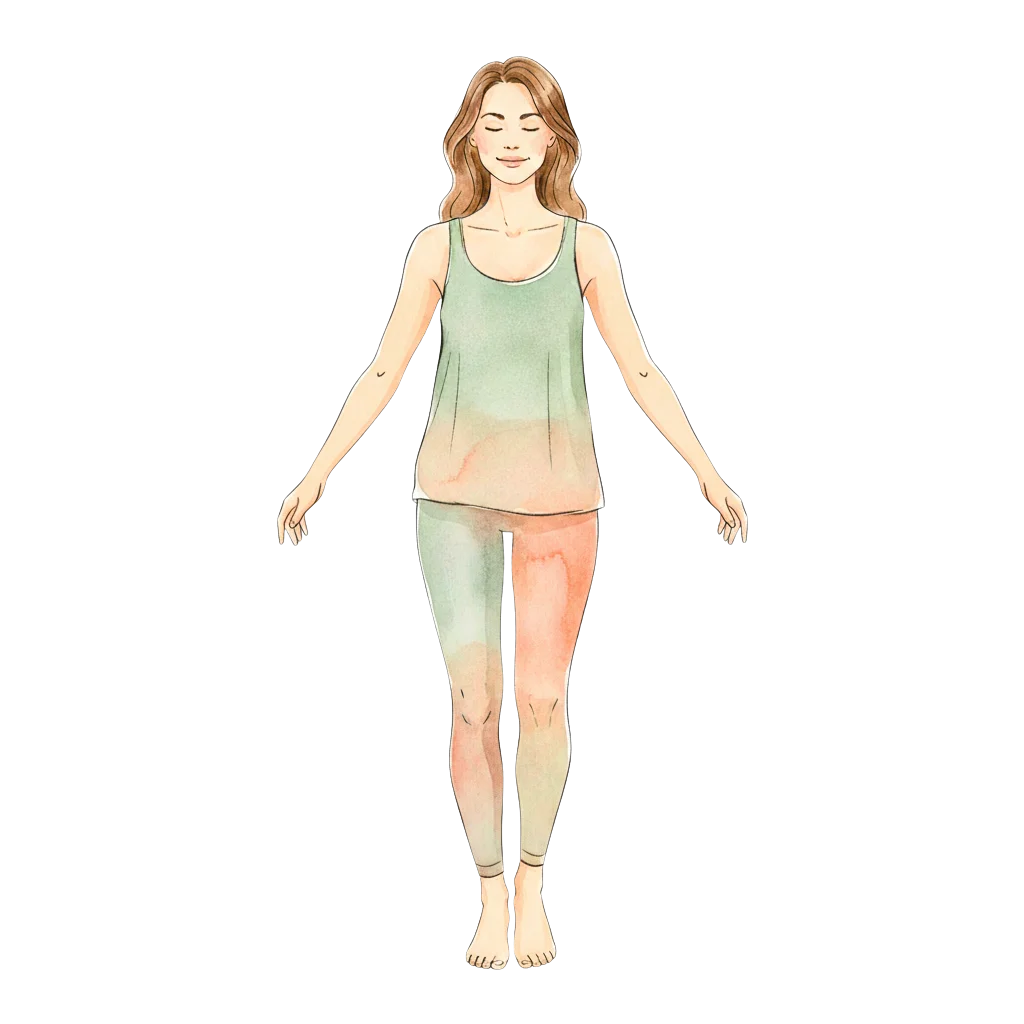
Start your protocolHow Grief affects your body
Tap body zones to discover connected symptoms and related conditions.
Join 47+ women discussing grief
Real experiences shared across Reddit, TikTok, and health forums
Should I be with my friend when he dies?
Should I be with my friend when he dies? **Trigger Warning:** Death **See my** [**update here**]([link]) **posted on 1/24** TLDR: By friend is dying and I don't know if I should be with him when he...
No offense but if I had the luxury to know when my friend would pass, it wouldn’t even be a question. I would go. I wouldn’t want my friend to pass alone. Regardless of how it’ll affect me.
Of course, be there. Please hold his hand while he passes
Reading others' stories is the first step. Join to share yours.
Community
A safe space for women navigating grief
Frequently asked questions
Common questions about Grief
How we research and fact-check
Every article on Wellls is researched using peer-reviewed medical literature, clinical guidelines, and real patient experiences from 16 online discussions.
Sources: We reference 42 PubMed-indexed studies, ACOG/NAMS clinical guidelines, and validated screening tools.
Review: Content is written by our editorial team, enriched from a medical knowledge base of 15,000+ sources. Evidence standards and clinical methodology guided by our Medical Advisory Board: Dr. Alexandra Rybakova and Dr. Alexander Rybakov, Lifestyle Medicine Physicians with 35+ years combined clinical practice.
This content is for informational purposes only and does not constitute medical advice. Our editorial standards · Medical advisory board
References
42 sources reviewed for this grief guide
- 1.Midlife bereavement and late-life mental health (SWEOLD)
- 2.Grief and Loss Across the Lifespan: A Biopsychosocial Perspective
- 3.Depression Following Major Life Transitions in Women: Review
- 4.Prolonged grief reactions after spousal loss (n=208)
- 5.Bereavement and post-traumatic growth (positive psychology)
- 6.Parental bereavement: impact of child loss
- 7.Menopause depression: under recognised and poorly treated
- 8.Psychological aspects of midlife crisis in women
- 9.Perimenopause and Anxiety: hormone changes trigger anxiety
- 10.Menopausal symptoms mediate stress and depression (n=118)
History of updates
Current version (March 11, 2026) — Content reviewed and updated based on latest research
First published (March 7, 2026)
Explore related problems
Women who experience grief often also deal with these
Your personalized plan is ready
You have been carrying this alone for long enough. Inside, you will find a personalized grief plan built on the latest research, including the specific therapy approach that outperforms standard treatment by nearly double, and a conversation with Dr. Wellls about what your particular grief needs.
1,800+ women explored their grief support plan this month
Free assessment · Takes 2 minutes · No account required
Medical disclaimer: This content is for informational purposes only and does not constitute medical advice, diagnosis, or treatment. Always consult a qualified healthcare provider for personal medical decisions. Content is based on peer-reviewed research and updated regularly. Learn about our editorial standards.