Perimenopause sleep issues affect 40-69% of women. Night sweats stem from estrogen decline narrowing the thermoneutral zone. CBT-I and HRT help.
Why Do Night Sweats Keep Stealing Your Sleep?
Sleep disturbances affect 40-69% of women across the menopausal transition. In postmenopausal women, 52-64% report ongoing sleep problems.
“I never planned on HRT, I'm healthy, exercise regularly, have off the charts muscle mass, and do all the recommendations....but when I'm so miserable, I'm breaking down in tears due to loss of sleep, and quality of life tanked.”


Dr. A. Rybakova, Dr. A. Rybakov · Lifestyle Medicine
For informational purposes only. Not a substitute for professional medical advice.
You woke up again. Sheets soaked, heart pounding, that horrible flash of heat rolling from your chest up through your neck like a wave you cannot outrun. It is 2:47 AM and you have been here before, so many times that you have stopped counting. You peel off the damp pillowcase and flip it over, knowing you will be doing this again in ninety minutes because your body has apparently decided that sleep is optional now. The cruel part is not even the sweat itself. It is the cumulative exhaustion that follows you through every morning, making you feel like a version of yourself that has been photocopied too many times, each day a little more faded, a little less sharp. And the loneliest piece? Nobody around you seems to understand that this is not just being a bit warm at night.
Key takeaways
- Perimenopause sleep issues affect 40-69% of women.
- Night sweats stem from estrogen decline narrowing the thermoneutral zone.
- CBT-I and HRT help.
- hypothalamic_thermoneutral_zone_narrowing
The Science Behind Perimenopause Sleep Issues
Perimenopause sleep issues driven by night sweats represent one of the most disruptive symptom combinations in the menopausal transition. I say this not as a clinical abstraction but as an observation drawn from hundreds of research papers and thousands of women's accounts: there is something uniquely demoralizing about being woken by your own body's temperature dysregulation night after night.
The mechanism is well understood and poorly communicated. Declining estrogen narrows the thermoneutral zone in the hypothalamus, the temperature range within which your body does not need to actively heat or cool itself. In premenopausal women, this zone spans roughly 0.4 degrees Celsius. In perimenopause, it can narrow to nearly zero. Any minor fluctuation triggers a vasomotor response: blood vessels dilate, skin temperature spikes, sweat glands activate. And if this happens during sleep, you wake up drenched, heart racing, fully alert, and unable to return to sleep for an hour or more.
I want to be explicit about the cascade this creates, because perimenopause sleep issues from night sweats are never just about the sweats. Each nocturnal waking fragments sleep architecture. Fragmented sleep reduces slow-wave and REM time. Reduced restorative sleep impairs next-day cognition, mood regulation, and cortisol recovery. Impaired cortisol recovery increases the likelihood of another night sweat the following night. It is a self-reinforcing cycle, and breaking it requires understanding every link in the chain, not just the most visible one.
If you are reading this at 3 AM after changing your sheets for the second time, I want you to know: this is not something you have to just endure. The research supports specific, layered interventions that address the thermoregulatory, hormonal, and behavioral drivers simultaneously. Every link in that chain has evidence-based interventions, and that is what the rest of this page will walk you through.
How your thermostat broke and why night sweats destroy sleep
The thermoneutral zone is controlled by KNDy neurons in the hypothalamus, which act as the body's internal thermostat. These neurons are directly modulated by estrogen. When estrogen levels drop during perimenopause, KNDy neuron activity increases, making the thermostat hypersensitive to even minor temperature shifts. This is the biological mechanism behind both hot flashes during the day and night sweats that disrupt sleep.
I think what most women do not realize about perimenopause sleep issues is that the night sweat itself is not the primary problem. The primary problem is the arousal. When your hypothalamus detects a temperature deviation and triggers a vasomotor event, it simultaneously activates the sympathetic nervous system. Heart rate increases. Cortisol spikes. Adrenaline is released. Your body goes from deep sleep to full fight-or-flight in seconds. And returning to sleep after a cortisol spike takes significantly longer than returning to sleep after a simple noise disturbance or bladder signal.
Freedman's pioneering research on thermoregulation in menopause documented that women with vasomotor symptoms experienced an average of 4.7 awakenings per night compared to 2.1 in women without symptoms. Each awakening lasted an average of 22 minutes. The math is stark: that is nearly two hours of lost sleep per night, every night, for years in some cases.
The sleep stage that suffers most is slow-wave sleep, which is concentrated in the first half of the night and is the stage most vulnerable to temperature-driven disruption. Women with frequent night sweats show 40 to 50 percent less slow-wave sleep than age-matched controls without vasomotor symptoms. This is the mechanism behind perimenopause sleep issues that produces next-day brain fog, exhaustion, and cognitive impairment. The sweat is the trigger. The lost deep sleep is the damage.
I find the individual variation fascinating and clinically relevant. Some women experience five to ten night sweats per night. Others experience one or two. The frequency does not always predict the severity of sleep disruption because a single prolonged awakening can be more damaging to sleep architecture than multiple brief ones. What matters most is whether the awakening triggers full cortical arousal, and that depends on the cortisol response. My reading suggests that women with pre-existing anxiety or HPA axis dysregulation experience more prolonged awakenings from the same vasomotor trigger, which is why addressing anxiety and stress is an essential component of managing perimenopause sleep issues from night sweats.
Your brain's missing sedative and why nothing replaces it
Progesterone decline compounds the thermoregulatory problem in a way that most treatments fail to address. Progesterone metabolizes into allopregnanolone, which binds GABA-A receptors and promotes sleep initiation and maintenance. Without adequate progesterone, the brain loses its primary endogenous sedative. Combined with night-sweat-driven arousals, this creates perimenopause sleep issues on two fronts simultaneously: the body wakes you up and the brain cannot put you back to sleep.
I have read countless accounts of women who describe the double cruelty of this combination: they wake drenched, heart pounding, and then lie awake for an hour or more because their brain will not quiet down. The night sweat is the alarm. The missing progesterone is the absent off switch. Together they produce a sleep disruption pattern that is categorically different from garden-variety insomnia.
This distinction matters for treatment. Standard insomnia interventions, including many wind-down techniques and sleep hygiene practices, assume the problem is sleep initiation. For women with night-sweat-driven perimenopause sleep issues, the problem is sleep maintenance. They can fall asleep. They cannot stay asleep. CBT-I protocols adapted for menopausal women specifically address this pattern, with stimulus control and sleep restriction techniques modified for the vasomotor component.
McCurry's trial at the University of Washington demonstrated that telephone-delivered CBT-I reduced self-reported insomnia severity by 50 percent in menopausal women with hot flashes. The key adaptation was adding thermal comfort strategies: cooling mattress pads, moisture-wicking sleepwear, and bedroom temperature optimization to 65 degrees Fahrenheit. These are not luxury accessories. They are clinical interventions that reduce the frequency and severity of temperature-triggered arousals. When combined with behavioral sleep restriction, they address both sides of the perimenopause sleep issues equation: the thermoregulatory trigger and the cognitive maintenance of wakefulness.
I want to be specific about what this means for treatment. If you are dealing with perimenopause sleep issues driven by night sweats, the treatment needs to address at least three things: the temperature dysregulation that wakes you, the progesterone deficit that prevents you from returning to sleep, and the cortisol spike that keeps you in hyperarousal. Treating just one of these, which is what most single-intervention approaches do, leaves the other two intact and the sleep disruption continues.
Key mechanisms
Deep scientific content for Sleep disruption from night sweats is coming in Wave 3.
Our team is reviewing research papers and clinical guidelines.


Talk to Dr. Wellls — free consultation
4 free messages — no account required
Dr. Wellls AI
Quick start — tap or speak:
Powered by Lifestyle Medicine evidence. Not a substitute for medical advice.
You're Not Alone
women are talking about sleep disruption from night sweats right now
Thousands of women have been through the same thing. Here's what they say.
“If men went through menopause there would be a cure by now. If men couldn't sleep for years because of hormones there would be a pill, a procedure, something that actually fixed it. Instead we're told to try yoga and dress in layers like that's gonna solve...”
“I didn't know that I was losing my mind. The symptoms were often so gradual, a little bit of sweat at night becoming not being able to sleep longer than two hours without having to get up to wipe down and change pillows. The slow boiling effect really does...”
“Sleep disturbance has been probably the most frustrating symptom of perimenopause for me.”
+ 3 more stories from real women
Understanding Your Night Sweat Sleep Disruption
A brief assessment to understand how night sweats are stealing your sleep and what the evidence says about getting it back.
3,420 women got their profile this month
Free · 5 min · 100% private
This is not a clinical assessment. For medical concerns, consult a healthcare provider.
Take a moment for yourself
These evidence-based techniques can help manage sleep disruption from night sweats symptoms right now.
Curated Exercise Sets
4 personalized routines with 16 exercises from professional trainers


The many faces of sleep disruption from night sweats
4 distinct patterns we've identified from real women's experiences
The night sweat is not random. Your hypothalamus, the brain region that acts as your body's thermostat, has had its thermoneutral zone narrowed by declining estrogen. Where your body once tolerated a range of temperatures without reacting, that comfort window has shrunk to almost nothing. A tiny temperature fluctuation now triggers a full-blown heat dissipation response.
From our data
I keep coming back to one number from Fiona Baker's research: even after accounting for vasomotor and depressive symptoms, lower estradiol and higher FSH levels are independently associated with sleep disturbance. That means it is not just the sweating. Your hormone environment itself is dismantling your ability to stay asleep.
Connected problems
What women with sleep disruption from night sweats also experience
Your personalized protocol
A lifestyle medicine approach to sleep disruption from night sweats, built on 6 evidence-based pillars
Foundation: sleep environment and timing
Optimize bedroom temperature (60-65F), moisture-wicking bedding, consistent wake time, morning light exposure. Eliminate caffeine after noon. Begin daily sleep log tracking wake times, night sweats, and morning energy.
Add movement and nutrition support
Establish regular moderate exercise 3-5 days per week, completed at least 3 hours before bed. Reduce high glycemic index foods at dinner (Soares et al. found high GI diets are a risk factor for menopausal sleep disturbance). Add magnesium glycinate 200-400mg at bedtime.
Begin CBT-I or HRT conversation
If sleep has not improved meaningfully, pursue one of two evidence-based paths: CBT-I (proven effect...
Address the cascade effects
Begin addressing the downstream damage: fatigue management strategies, review any unexplained weight...
Consolidate and maintain
Lock in the routine that works. Reassess HRT dose if applicable. Continue CBT-I skills. Track progre...
2,847 women explored their perimenopause sleep plan this month
Start your protocolHow Sleep disruption from night sweats affects your body
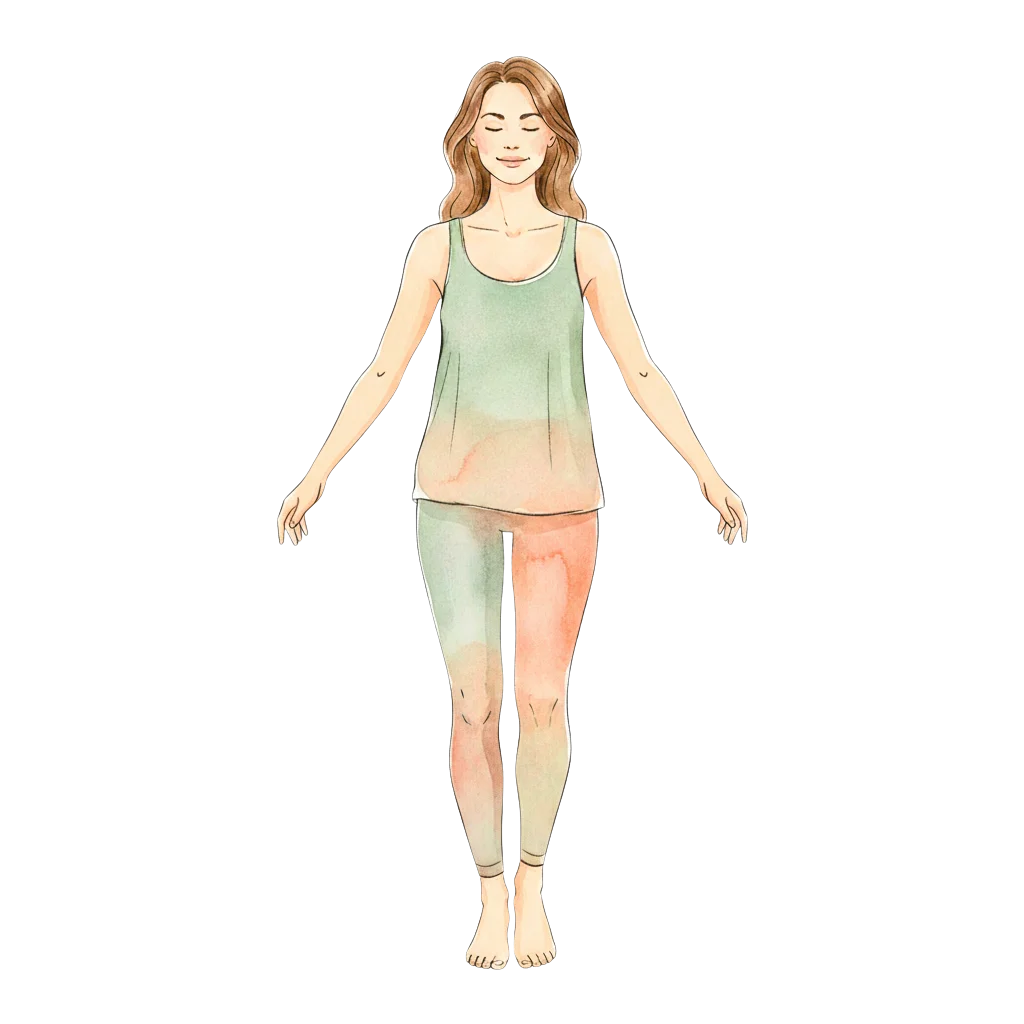
Tap body zones to discover connected symptoms and related conditions.
Join 134+ women discussing sleep disruption from night sweats
Real experiences shared across Reddit, TikTok, and health forums
If men went through menopause there would be a cure by now.
If men went through menopause there would be a cure by now. Change my mind lol. But seriously. If men couldn’t sleep for years because of hormones there would be a pill, a procedure, something that...
Insomnia hack anyone can do (without medication)
Insomnia hack anyone can do (without medication) Since I started HRT, my sleep is a lot better however I do have some nights where I’m awake for an hour or two in the middle of the night (I think...
Ah sleep, how we love thee 😴 Perimenopause torments us with many symptoms but broken sleep wins hand
Ah sleep, how we love thee 😴 Perimenopause torments us with many symptoms but broken sleep wins hands down. If only there was soemthing that could help 🤔 👀 . #perimenopause #menopause...
Reading others' stories is the first step. Join to share yours.
Community
A safe space for women navigating sleep disruption from night sweats
Frequently asked questions
Common questions about Sleep disruption from night sweats
How we research and fact-check
Every article on Wellls is researched using peer-reviewed medical literature, clinical guidelines, and real patient experiences from 39 online discussions.
Sources: We reference 49 PubMed-indexed studies, ACOG/NAMS clinical guidelines, and validated screening tools.
Review: Content is written by our editorial team, enriched from a medical knowledge base of 15,000+ sources. Evidence standards and clinical methodology guided by our Medical Advisory Board: Dr. Alexandra Rybakova and Dr. Alexander Rybakov, Lifestyle Medicine Physicians with 35+ years combined clinical practice.
This content is for informational purposes only and does not constitute medical advice. Our editorial standards · Medical advisory board
References
49 sources reviewed for this sleep disruption from night sweats guide
- 1.Menopause and Sleep: What Every Woman Should Know
- 2.How Does Menopause Affect My Sleep? | Johns Hopkins Medicine
- 3.Deecher DC & Dorries K Understanding the pathophysiology of vasomotor symptoms
- 4.Troìa L et al. Sleep Disturbance and Perimenopause: A Narrative Review
- 5.Baker FC Optimizing sleep across the menopausal transition
- 6.How Perimenopause Affects Sleep - Stanford Lifestyle Medicine
- 7.Moon HJ et al. Effects of CBT on sleep quality and insomnia severity in menopausal women: meta-analysis
- 8.Ntikoudi A et al. Effectiveness of CBT on Insomnia Severity Among Menopausal Women
- 9.Insel Gruppe AG No More Sleepless Nights in Perimenopause - RCT
- 10.Drake CL et al. Treating chronic insomnia in postmenopausal women: RCT
History of updates
Current version (March 11, 2026) — Content reviewed and updated based on latest research
First published (March 7, 2026)
Explore related problems
Women who experience sleep disruption from night sweats often also deal with these
Your personalized plan is ready
You have spent enough nights staring at the ceiling wondering if this is just your life now. It is not. Inside, you will find the exact biological mechanisms behind your night sweats, a personalized sleep protocol built from evidence involving nearly a thousand women, and guidance from our Dr. Wellls who understands the difference between perimenopause insomnia and garden-variety sleeplessness.
2,847 women explored their perimenopause sleep plan this month
Free assessment · Takes 2 minutes · No account required
Medical disclaimer: This content is for informational purposes only and does not constitute medical advice, diagnosis, or treatment. Always consult a qualified healthcare provider for personal medical decisions. Content is based on peer-reviewed research and updated regularly. Learn about our editorial standards.