Torso Twist: How-to, Benefits & Variations
Torso twists mobilize the thoracic spine and warm up the obliques. Stand and rotate upper body side to side. Improves rotational range.
Torso Twist: How-to, Benefits & Variations
When was the last time you trained this movement pattern on purpose? Not by accident. Not as part of something else. On purpose.
The torso twist earns its place in every Sophie Jones workout it appears in. It targets muscles and movement patterns that daily life either neglects or makes worse.
Muscle Tone: 14 Days Glow Up Challenge 12
Sophie Jones
How to Do Torso Twists
Stand with feet shoulder-width apart, arms extended at shoulder height. You can hold a light weight for added resistance.
Keeping your hips facing forward, rotate your upper body to the right. Let your arms follow your torso.
Rotate as far as comfortable, feeling the stretch through your obliques and the contraction on the opposite side.
Return to center and immediately rotate to the left. Keep the movement controlled and rhythmic.
Maintain a tall spine throughout. Do not lean forward or backward as you twist. The rotation should come from your thoracic spine, not your lower back.
Muscles Worked
Primary
Primary muscles
The main muscles targeted by the torso twist, responsible for producing the movement force.
Secondary
Stabilizer muscles
Support the primary movers and maintain proper joint alignment throughout the movement.
Why this matters in perimenopause
Women lose lean muscle mass progressively from their 30s, and the decline accelerates during perimenopause as estrogen levels drop. Regular exercise directly counteracts this decline by preparing the body for training and reducing injury risk that increases with age.
Coach's Tips
"open out that chest" That's Sophie Jones's cue. This detail makes the difference between an effective rep and a wasted one.
Sophie Jones
"Nice and light on our toes" That's Sophie Jones's cue. This detail makes the difference between an effective rep and a wasted one.
Sophie Jones
"twist on that back foot... don't wanna keep that back foot flat" Safety is not optional. Sophie Jones emphasizes this in every set.
Sophie Jones
"If you need a modified version, step it out from here" Use this modification when the standard version is too challenging.
Sophie Jones
Why This Matters for You
Joint stiffness is one of the most common and least discussed perimenopause symptoms. Declining estrogen affects synovial fluid production and cartilage maintenance, which means mornings feel stiffer and warm-ups take longer. The torso twist addresses this directly by stimulating blood flow, joint lubrication, and neural activation before your muscles are asked to work.
Skipping warm-ups during perimenopause is riskier than at 25. Connective tissue is less elastic, recovery takes longer, and the cost of an injury is measured in weeks, not days. Five minutes of targeted warm-up is the cheapest insurance you can buy.
Variations & Modifications
Warm-up: Torso Twists
lowVariation of the torso twist that modifies the standard movement pattern for different training emphasis.
Seated Torso Circles
lowVariation of the torso twist that modifies the standard movement pattern for different training emphasis.
Warm-up: Torso Twists & Reaches
lowVariation of the torso twist that modifies the standard movement pattern for different training emphasis.
Warm-up: Torso Twist and Reach
lowVariation of the torso twist that modifies the standard movement pattern for different training emphasis.
Benefits
Prepares your joints for load
The torso twist lubricates joint surfaces by stimulating synovial fluid production. Cold joints creak and resist. Warm joints glide and absorb.
Activates stabilizer muscles
Small stabilizer muscles need to fire before larger movers take over. Warm-up movements wake them up so they do their job during your actual workout.
Reduces perceived effort of the workout
A proper warm-up makes your workout feel easier, not because you are doing less, but because your body is prepared to do more. Research shows reduced RPE (rate of perceived exertion) after proper warm-ups.
Mental transition into training
Five minutes of intentional movement shifts your brain from work-mode to training-mode. That mental shift affects focus, form, and safety for every exercise that follows.
Common Mistakes to Avoid
Moving too fast
Warm-up movements should be controlled and gradually increase range. Speed comes after your joints are lubricated and muscles are warm.
Skipping the warm-up entirely
Cold muscles produce less force and tear more easily. Five minutes of warm-up prevents weeks of recovery.
Using only one movement pattern
Your warm-up should match your workout. If you are squatting, warm up the hips, knees, and ankles specifically.
Going through the motions mindlessly
Pay attention to what feels stiff or tight during warm-up. Those are the areas that need extra attention before loading.
Workouts Featuring This Exercise
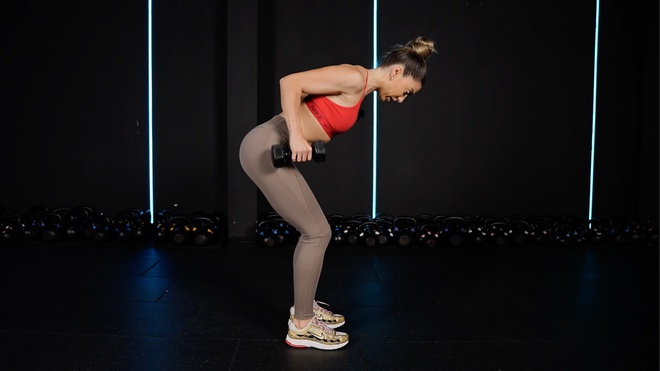
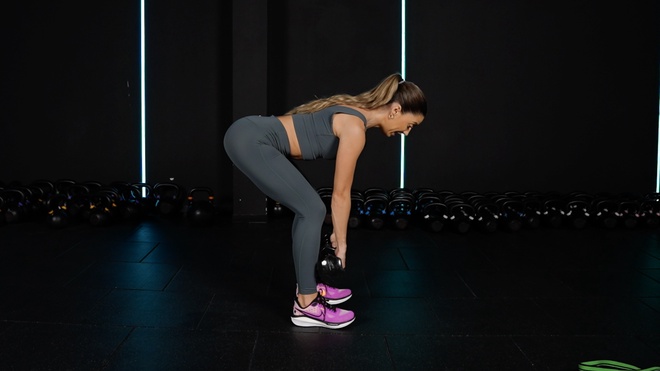
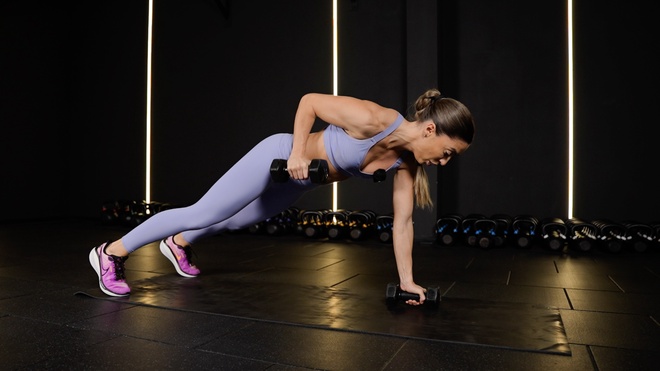
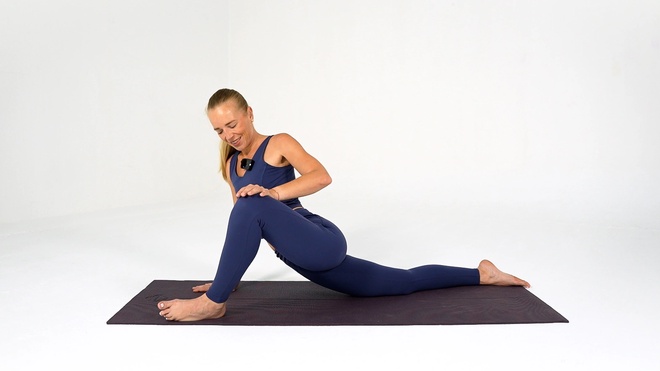
Join women building health and resilience with certified trainers
Frequently Asked Questions
Related Exercises
Crunches
Complements the torso twist by targeting related muscle groups and movement patterns.
Bicycle Crunches
Complements the torso twist by targeting related muscle groups and movement patterns.
Leg Raise
Complements the torso twist by targeting related muscle groups and movement patterns.
Dead Bug
Complements the torso twist by targeting related muscle groups and movement patterns.
Hollow Body Hold
Complements the torso twist by targeting related muscle groups and movement patterns.
Get torso twists in a guided workout
Access 4 workouts featuring this exercise, plus personalized plans from Dr. Wellls.
Join women building health and resilience with certified trainers
Your membership funds independent women's health research