Hair loss perimenopause affects 52% of women. Declining estrogen shortens growth cycles while unmasking androgen-driven follicle miniaturization.
Why Is My Hair Falling Out in Clumps?
Affects 40-52% of women by menopause, with prevalence increasing to 55% in women over 70
“Grieving hair loss sucks. It was such a big part of me. This is probably the hardest part out of all of this.”


Dr. A. Rybakova, Dr. A. Rybakov · Lifestyle Medicine
For informational purposes only. Not a substitute for professional medical advice.
She found it on the pillow first. Three strands, maybe four. Nothing worth crying over. Then the shower drain started catching clumps the size of a quarter, and the ponytail that used to take three wraps of the elastic suddenly needed four, then five. A woman I'll call Deepa told me she sat in her car after a dermatologist appointment in Plano, Texas, Googling 'hair loss perimenopause' while mascara ran down her face. She was forty-three. Her doctor had said the bloodwork was 'all normal.' Her ferritin was 18. That is not normal. That is your body cannibalizing its own iron stores, and your hair paying the price while a lab reference range designed for population averages tells you everything is fine. If you are reading this with a fistful of hair in your hand and a lump in your throat, I want you to know something right now: your hair is not falling out because you used the wrong shampoo. It is falling out because your hormones are shifting, and most of the medical system has not caught up.
Key takeaways
- Hair loss perimenopause affects 52% of women.
- Declining estrogen shortens growth cycles while unmasking androgen-driven follicle miniaturization.
- estrogen_decline_follicle_miniaturization
- androgen_ratio_shift_DHT_binding
The Science Behind Hair Loss in Perimenopause
Hair loss perimenopause is not a cosmetic inconvenience. It is a hormonal symptom with documented biochemical mechanisms, affecting more than half of women during the menopausal transition. I need to say that plainly because the dismissiveness women face when they raise hair loss perimenopause with their doctors is staggering. The primary drivers are estrogen decline, which shortens the hair growth cycle and unmasks androgen activity, and metabolic factors including iron depletion and thyroid instability. A 2022 study in Menopause found that 52.2% of postmenopausal women had female pattern hair loss. Most received no treatment, and many were told their lab results were normal despite suboptimal ferritin and borderline thyroid values. Hair loss perimenopause deserves the same clinical seriousness as hot flashes or bone density loss. It affects more women than either.
That 52.2% figure comes from Arias-Santiago and colleagues, who evaluated 400 postmenopausal women using trichoscopy, a dermoscopic technique that visualizes follicular miniaturization. What makes their finding particularly damning is that most women in the study had never been diagnosed. The hair loss was present, measurable, and progressive, and nobody had mentioned it. In the same cohort, only 18% had ever discussed hair concerns with a healthcare provider. The rest assumed it was normal aging and managed alone with thickening shampoos and careful parting.
I cannot overstate how much damage the phrase 'it is just aging' does. It closes the conversation before the investigation begins. Hair loss perimenopause has identifiable causes, testable biomarkers, and evidence-based treatments. Calling it aging is like calling a fracture gravity.
How Estrogen Loss Triggers Hair Follicle Decline
Estrogen acts on estrogen receptor beta in scalp hair follicles, promoting the Wnt/beta-catenin signaling pathway that sustains the anagen (growth) phase. During perimenopause, fluctuating and declining estrogen weakens this pathway, shortening anagen and shifting follicles prematurely into telogen. Simultaneously, the declining estrogen-to-androgen ratio allows DHT to bind to androgen-sensitive follicles on the crown and frontal scalp, triggering miniaturization. Each growth cycle produces thinner, shorter hair until the follicle ceases producing visible hair entirely. This process, documented by Grymowicz et al. (2020), begins up to two years before menopause is clinically recognized.
I want to walk through the Wnt/beta-catenin pathway because it explains why the hair loss pattern in women differs from men. In male pattern baldness, DHT is the dominant driver, producing the familiar receding hairline and vertex thinning. In female pattern hair loss, the mechanism is dual: estrogen withdrawal weakens the growth signal AND relative androgen excess provides a miniaturization signal simultaneously. The result is diffuse thinning across the crown rather than the focal pattern men experience. The Ludwig classification system, developed specifically for female pattern hair loss, describes three stages of increasing crown thinning while the frontal hairline is preserved.
Dr. Rodney Sinclair at the University of Melbourne has demonstrated that even women with normal androgen levels can experience hair follicle miniaturization because the ratio of estrogen to androgen at the follicle level matters more than the absolute androgen concentration. A follicle that was previously receiving strong estrogen-driven growth signals through Wnt/beta-catenin is suddenly receiving weak signals. The same level of DHT that was overwhelmed by estrogen's growth promotion is now unopposed.
This dual-pathway mechanism also explains why hair loss perimenopause often begins with increased shedding (telogen effluvium from shortened anagen) before progressing to visible thinning (miniaturization from androgen activity). Women frequently describe two distinct phases: 'first I was losing more hair than normal, then the hair that grew back was finer.' Those are two different mechanisms operating sequentially.
The Iron-Thyroid-Cortisol Triple Threat
Hair follicle matrix cells are among the fastest-dividing cells in the body and require adequate iron for DNA synthesis via ribonucleotide reductase. Ferritin below 40 ng/mL correlates with increased telogen effluvium, yet standard lab ranges start at 12 ng/mL, creating a diagnostic gap. Heavy perimenopausal periods can drop ferritin by 10-15 points per cycle. Concurrently, subclinical thyroid dysfunction (TSH 2.5-4.5 mIU/L with normal T4) impairs follicle cycling, while elevated cortisol from chronic stress suppresses Gas6 secretion by dermal papilla cells, blocking hair follicle stem cell activation. These three deficits compound, producing hair loss that no single test fully explains.
The ferritin gap deserves special attention because it traps women in a diagnostic dead zone. Standard laboratory reference ranges for ferritin in women start at 12 ng/mL. Below 12, your doctor will tell you that you have iron deficiency. At 15, they will tell you that you are fine. But dermatologists and trichologists consistently observe that hair follicles begin underperforming at ferritin levels below 40-70 ng/mL. A 2019 meta-analysis published in the Journal of the American Academy of Dermatology reviewed 16 studies and found that women with hair loss had significantly lower mean ferritin levels than controls, with the association strongest at ferritin levels below 40 ng/mL.
Dr. Jeff Donovan, a dermatologist at the University of British Columbia, has published guidelines recommending a minimum ferritin target of 40 ng/mL for women with hair loss, with optimal levels closer to 70 ng/mL. He notes that many women with hair loss perimenopause have ferritin in the 15-30 range, technically 'normal' by lab standards, clinically insufficient by dermatological standards.
Heavy perimenopause periods compound the iron problem. A single heavy menstrual cycle can deplete 15-25mg of iron. If you are bleeding more heavily or more frequently, as many perimenopausal women do, your iron stores are being drained faster than diet alone can replenish them. Oral iron supplementation at 65mg elemental iron every other day (which has better absorption than daily dosing, per the 2020 Lancet Haematology study) is often necessary.
Key mechanisms
Deep scientific content for Hair loss is coming in Wave 3.
Our team is reviewing research papers and clinical guidelines.


Talk to Dr. Wellls — free consultation
4 free messages — no account required
Dr. Wellls AI
Quick start — tap or speak:
Powered by Lifestyle Medicine evidence. Not a substitute for medical advice.
You're Not Alone
women are talking about hair loss right now
Thousands of women have been through the same thing. Here's what they say.
“Grieving hair loss sucks. It was such a big part of me. This is probably the hardest part out of all of this.”
“Thinning hair and hair loss was something I went through for years. Doctors and so-called specialists told me nothing would help me to get thicker, longer hair. Not even talking about breakage and the bald patches and scalp eczema that I covered up because I...”
“This was one of the hardest things I had to do. My hair was my crown. I was waiting and waiting, creating this false idea that magically my hair will start growing back, but it's getting harder each day looking like an old man trying to keep hair on his head.”
+ 3 more stories from real women
Understanding Your Hair Loss
A quick assessment to understand why your hair is thinning, what your labs might be missing, and what evidence-based options exist for your specific pattern.
1,605 women got their profile this month
Free · 5 min · 100% private
This is not a clinical assessment. For medical concerns, consult a healthcare provider.
Take a moment for yourself
These evidence-based techniques can help manage hair loss symptoms right now.
Curated Exercise Sets
4 personalized routines with 16 exercises from professional trainers
The many faces of hair loss
4 distinct patterns we've identified from real women's experiences
You never thought about your hair cycle because estrogen was running it. Silently. Perfectly. Keeping follicles in their growth phase for years at a time. Then perimenopause started pulling estrogen out of the equation, and nobody told you your hair would be the collateral.
From our data
This one floored me: estrogen interacts with the Wnt/beta-catenin signaling pathway to keep hair follicles cycling. When estrogen drops, that signaling weakens. A 2023 study in the Journal of Cosmetic Dermatology found that follicular miniaturization accelerates measurably in the two years before menopause. Two years. Before you even miss a period, your follicles are already shrinking.
Connected problems
What women with hair loss also experience
Your personalized protocol
A lifestyle medicine approach to hair loss, built on 6 evidence-based pillars
Get Proper Testing
Schedule a full blood panel including ferritin, thyroid panel (TSH, free T3, free T4, antibodies), vitamin D, zinc, and hormonal profile. Bring a printed list. If your GP resists, request a referral to a trichologist or dermatologist who specializes in hair loss.
Begin First-Line Treatment
Based on blood results, start appropriate treatment. If androgenetic: topical minoxidil 5% once daily. If ferritin below 40: iron supplementation with vitamin C. If thyroid borderline: discuss treatment options with endocrinologist. Expect initial shedding with minoxidil, this is normal and temporary.
Stress-Cortisol Management
Implement daily cortisol-lowering practices: 10 minutes morning meditation, regular exercise 3-4 tim...
Anti-Inflammatory Nutrition
Shift toward a Mediterranean-style eating pattern rich in omega-3 fatty acids, iron-rich foods, and ...
Evaluate and Adjust
Retest ferritin, thyroid, and vitamin D at the 3-month mark. Photograph part line and compare to bas...
2,400+ women explored their hair loss treatment plan this month
Start your protocolHow Hair loss affects your body
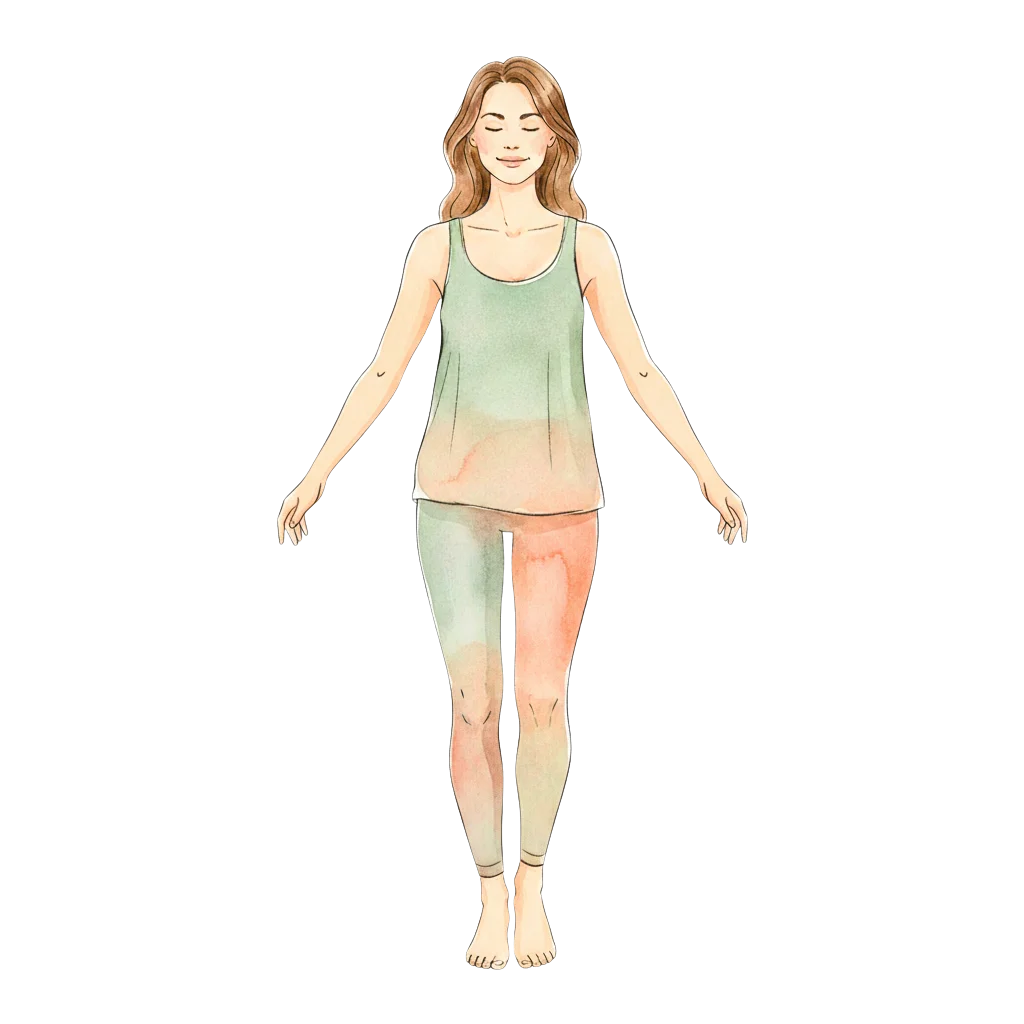
Tap body zones to discover connected symptoms and related conditions.
Join 59+ women discussing hair loss
Real experiences shared across Reddit, TikTok, and health forums
this is your sign to start taking care of your hair and scalp✨ thinning hair and hairloss was someth
this is your sign to start taking care of your hair and scalp✨ thinning hair and hairloss was something i went through for years. doctors and so called specialist told me nothing would help me to get...
4 Best Natural Home Remedies to Prevent from Your Hair Loss Permanently | Hair Loss Treatment
namaskar there are many advantages of using home remedies for hair loss home remedies are free of harsh chemical and have no side effects it saves time have elastic...
Please learn this before buying oils. #balding #hairloss #hairlosssolutions #alopecia
Please learn this before buying oils. #balding #hairloss #hairlosssolutions #alopecia
Reading others' stories is the first step. Join to share yours.
Community
A safe space for women navigating hair loss
Frequently asked questions
Common questions about Hair loss
How we research and fact-check
Every article on Wellls is researched using peer-reviewed medical literature, clinical guidelines, and real patient experiences from 77 online discussions.
Sources: We reference 48 PubMed-indexed studies, ACOG/NAMS clinical guidelines, and validated screening tools.
Review: Content is written by our editorial team, enriched from a medical knowledge base of 15,000+ sources. Evidence standards and clinical methodology guided by our Medical Advisory Board: Dr. Alexandra Rybakova and Dr. Alexander Rybakov, Lifestyle Medicine Physicians with 35+ years combined clinical practice.
This content is for informational purposes only and does not constitute medical advice. Our editorial standards · Medical advisory board
References
48 sources reviewed for this hair loss guide
- 1.
- 2.
- 3.
- 4.
- 5.
- 6.
- 7.
- 8.
- 9.
- 10.
History of updates
Current version (March 11, 2026) — Content reviewed and updated based on latest research
First published (March 1, 2026)
Explore related problems
Women who experience hair loss often also deal with these
Your personalized plan is ready
Get your personalized hair loss lab panel checklist, evidence-based treatment protocol, and weekly scalp health plan from our Dr. Wellls. Built from 48 clinical studies and designed for the specific hormonal changes happening in YOUR body right now.
2,400+ women explored their hair loss treatment plan this month
Free assessment · Takes 2 minutes · No account required
Medical disclaimer: This content is for informational purposes only and does not constitute medical advice, diagnosis, or treatment. Always consult a qualified healthcare provider for personal medical decisions. Content is based on peer-reviewed research and updated regularly. Learn about our editorial standards.