Am I Too Flexible? Could That Be Causing My Pain?
Hypermobility affects up to 20% of the population
For informational purposes only. Not a substitute for professional medical advice.


Talk to Dr. Wellls — free consultation
4 free messages — no account required
Dr. Wellls AI
Quick start — tap or speak:
Powered by Lifestyle Medicine evidence. Not a substitute for medical advice.
Quick self-check
Answer 3 quick questions to understand where you stand
Question 1 of 3
How often does hypermobility disorders affect your daily life?
This is not a clinical assessment. For medical concerns, consult a healthcare provider.
Take a moment for yourself
These evidence-based techniques can help manage hypermobility disorders symptoms right now.
Curated Exercise Sets
4 personalized routines with 16 exercises from professional trainers


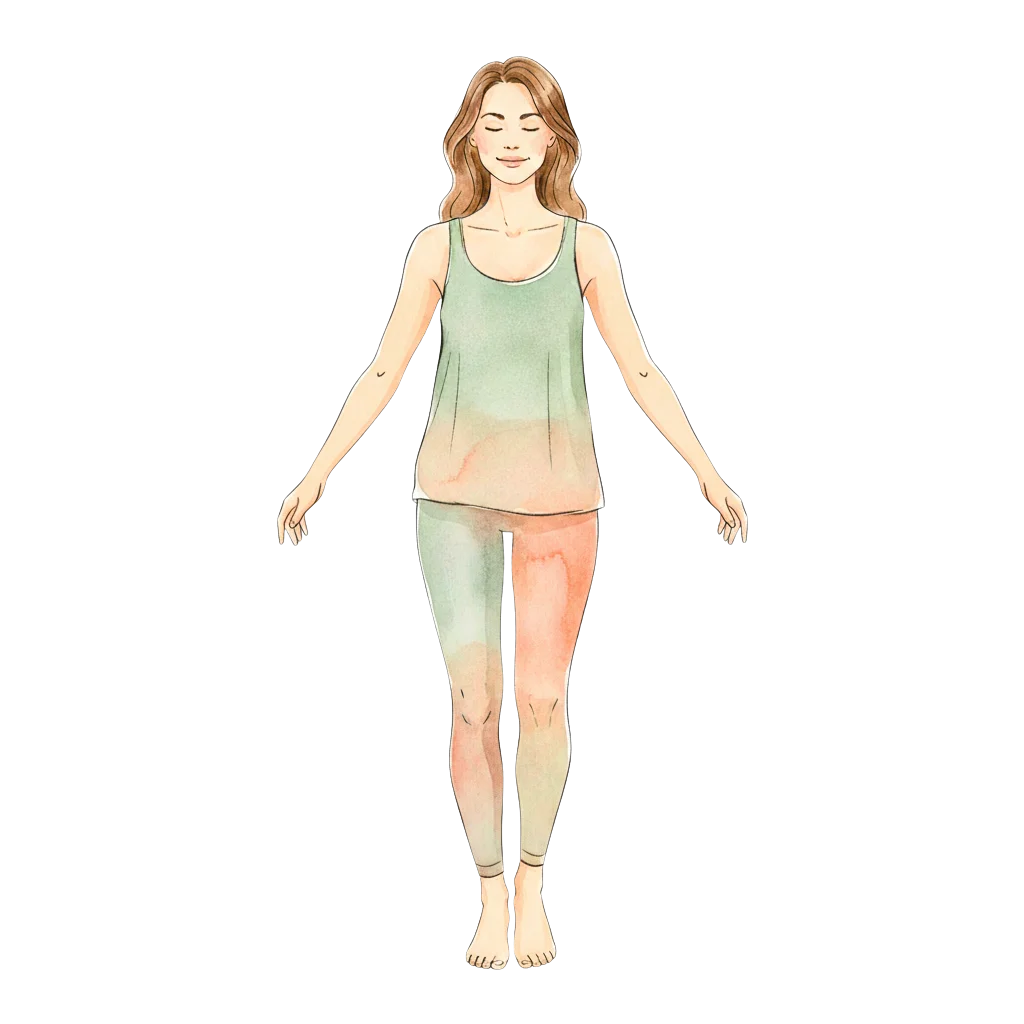
How Hypermobility disorders affects your body
Tap body zones to discover connected symptoms and related conditions.
Join 101+ women discussing hypermobility disorders
Real experiences shared across Reddit, TikTok, and health forums
Women's Health Concerns - Dr. Natalie Blagowidow | English (EN)
all right hello i'm natalie blagovanov i'm here in baltimore maryland speaking to you today about women's health concerns um so to start our talk off the first thing...
Community
A safe space for women navigating hypermobility disorders
Frequently asked questions
Common questions about Hypermobility disorders
Explore related problems
Women who experience hypermobility disorders often also deal with these
Your personalized plan is ready
Every woman's experience with hypermobility disorders is unique. Take our brief assessment to get a lifestyle medicine plan tailored to your body, your life stage, and your goals.
Free assessment · Takes 2 minutes · No account required
Medical disclaimer: This content is for informational purposes only and does not constitute medical advice, diagnosis, or treatment. Always consult a qualified healthcare provider for personal medical decisions. Content is based on peer-reviewed research and updated regularly. Learn about our editorial standards.