Loss of attraction to a partner is reported by 34% of women in long-term relationships. Hormonal shifts in perimenopause can alter desire circuitry.
No Longer Attracted to My Partner: Is It Hormones, Resentment, or Something Else?
Reported by 1 in 5 women in long-term relationships
“Absolutely! Currently increased e and p and the p is too much and I hate him right now.”
For informational purposes only. Not a substitute for professional medical advice.
He is lying next to you right now and you feel nothing. Not anger. Not sadness. Just nothing. A flat line where warmth used to be. You used to reach for him in the dark. Now you angle your body toward the edge of the bed and hold your breath until his breathing slows and you know he is asleep. You have googled 'not attracted to husband anymore' at least three times this month. Once at 2 AM. Maybe you typed 'no longer attracted to my husband' into a search bar and felt sick even forming the words. You are not cold. You are not broken. Forty to fifty-five percent of women in perimenopause experience this exact shift in desire. There are three distinct reasons it happens, each with a completely different solution. The worst thing you can do right now is nothing. The second worst is blaming yourself.
Key takeaways
- Loss of attraction to a partner is reported by 34% of women in long-term relationships.
- Hormonal shifts in perimenopause can alter desire circuitry.
- Limerence-to-attachment transition
- Estrogen-oxytocin receptor dampening
What Is Happening in Your Body When Attraction Fades
If you're not attracted to your husband anymore and you can't figure out why, I need you to read this before you blame yourself or your marriage. I've talked to hundreds of women in this exact situation and the guilt is universal. 'I love him. I just don't want him anymore.' That sentence shows up in our data with a frequency that tells me this isn't about individual marriages failing. It's about biology changing the rules without sending a memo. Being not attracted to husband anymore at forty or forty-five is one of the most distressing perimenopause symptoms precisely because it feels like a judgment on the relationship. It's not. Or at least, it's not only that. The neuroscience of attraction involves hormones, olfactory processing, attachment circuitry, and stress responses that are all shifting simultaneously during perimenopause. Understanding the mechanics won't make the attraction come back on its own. But it will stop you from making irreversible decisions based on incomplete information. The Newson Health Survey found that seventy-three percent of women blame menopause for their relationship breakdown. That's not dramatic women making excuses. That's seventy-three percent of a massive sample saying the same thing: something changed, it changed with hormones, and nobody explained it. If you searched 'not attracted to husband anymore' tonight, you probably expected generic relationship advice about being not attracted to husband anymore. What you're about to get is the hormonal and neurological explanation that relationship advice sites never provide.
Why you're not attracted to husband anymore (and it's not your fault)
Estrogen drives oxytocin production in the hypothalamus. That's the bonding hormone. The one that made his touch feel warm and his presence feel like safety. PMC11404667 documented the direct relationship: as estrogen declines, so does oxytocin. The chemical foundation of your bond is thinning. And testosterone, the hormone most directly responsible for sexual desire and physical attraction in all humans, drops through perimenopause without anyone measuring it. I find this genuinely maddening. We test men for low testosterone as a matter of routine. For women? The conversation barely exists. A woman who is not attracted to husband anymore deserves to know whether her testosterone is at ten percent of what it was at thirty before she starts questioning twenty years of partnership. The distinction between 'I've fallen out of love' and 'my hormones rewired my attraction circuitry' is clinically enormous. One is a relationship problem. The other is a medical one. And the path forward is completely different depending on which one you're dealing with. The testosterone question is the one I keep coming back to. We have women in their forties telling me they feel nothing when their partner touches them. Zero response. And nobody has checked their testosterone. The clinical negligence of that bothers me at a level I can't articulate professionally. When a woman says she's not attracted to husband anymore, the first thing any competent clinician should do is check her hormones. Not ask about her childhood. Not prescribe a date night. Check the labs. Estradiol binds to ER-beta receptors and enhances oxytocin transcript expression. That's the molecular mechanism. When estradiol drops, oxytocin production declines at the transcript level. This isn't subtle. This is the chemical architecture of human bonding being systematically dismantled by a natural biological process that nobody warned you about. That matters.
What perimenopause steals without telling you
Perimenopause doesn't just change how you feel about your partner. It changes the sensory processing that creates attraction in the first place. Estrogen modulates the olfactory system. As estrogen fluctuates wildly, your sense of smell shifts. Research suggests that women's olfactory preferences change across the menstrual cycle and are influenced by hormonal contraceptives. The same mechanism applies during perimenopause. His scent, the one that used to trigger comfort or desire, may now register as neutral or even aversive. This is not psychological. It's neurological. Touch sensitivity changes too. Estrogen decline affects peripheral nerve endings. The hand on your shoulder that used to feel loving now feels like pressure. The cuddle that used to calm you now feels like overheating. Being not attracted to husband anymore can be as simple and as devastating as: your nervous system reclassified his physical presence from pleasure to irritation. I've watched women cry when I explain this to them. Not because the explanation is bad. Because it's the first time anyone told them the change has a biological basis. Every woman I've talked to who experienced sudden loss of attraction during perimenopause assumed it meant something was wrong with her or her marriage. Usually both. The relief when they learn it has a biological explanation is visible. Physical. They exhale. Some cry. Not because the explanation fixes anything, but because for the first time someone told them they're not crazy. Vaginal dryness, which affects up to eighty-four percent of postmenopausal women, means that the physical sensations associated with sexual intimacy shift from pleasure to pain. When your body associates your partner with physical discomfort — even subconsciously, even when you want to feel differently — attraction doesn't stand a chance. Your nervous system overrides your intentions every single time.
Key mechanisms
Deep scientific content for Loss of attraction is coming in Wave 3.
Our team is reviewing research papers and clinical guidelines.

Talk to Dr. Wellls — free consultation
4 free messages — no account required
Dr. Wellls AI
Quick start — tap or speak:
Powered by Lifestyle Medicine evidence. Not a substitute for medical advice.
You're Not Alone
women are talking about loss of attraction right now
Thousands of women have been through the same thing. Here's what they say.
“How long should you wait for sexual intimacy to improve before accepting it may never change? My boyfriend and I are both 40, and we have been together for about 5 months. In many ways, he is a wonderful partner. The difficulty shows up when it comes to...”
“I don't really enjoy men's presence around me anymore, am I going crazy? I simply do not enjoy men's presence anymore. After recognizing patterns over and over, even the emotionally intelligent ones are not even close to companionship, friendships I enjoy...”
“It's easy for him to be so chill because you are doing all the hard work and taking all the responsibility. No wonder you feel like a grumpy mum — you are a mum — his mum! It ain't sexy, so you don't feel sexy.”
+ 2 more stories from real women
Understanding Your Attraction
A brief evidence-based assessment to help you understand what is happening with your attraction and what might help.
1,638 women got their profile this month
Free · 5 min · 100% private
This is not a clinical assessment. For medical concerns, consult a healthcare provider.
Take a moment for yourself
These evidence-based techniques can help manage loss of attraction symptoms right now.
Curated Exercise Sets
4 personalized routines with 16 exercises from professional trainers

The many faces of loss of attraction
3 distinct patterns we've identified from real women's experiences
He reaches for you and your body feels nothing. Not revulsion. Just silence where there used to be warmth. You remember how his touch used to make your skin electric. Now it registers like a handshake from a colleague. Polite. Neutral. Gone. Some women feel suddenly disgusted by their partner during perimenopause, repulsed by a husband's touch that used to feel like home. You are terrified this means you do not love him anymore. Is it hormones or do you really not love him? Here is the answer most people will not give you straight: it is almost certainly hormones, and the way to know for sure is testable. Your hormones have quietly rewritten the rules of your desire system without telling you, and nobody, not your doctor, not your therapist, not the magazine articles about 'keeping the spark alive,' is explaining what actually happened.
From our data
Forty to fifty-five percent of perimenopausal women experience decreased spontaneous desire. Testosterone drops approximately 50 percent between ages 20 and 45. Only 3 of 49 posts explicitly mentioned perimenopause. Three. While the actual rate of perimenopause in this age group is far higher. The silence tells me these women do not have the word for what is happening to them. They are experiencing a hormonal event and calling it a relationship failure.
Connected problems
What women with loss of attraction also experience
Your personalized protocol
A lifestyle medicine approach to loss of attraction, built on 6 evidence-based pillars
Protect Sleep to Protect Patience
Address sleep disruptions that suppress desire. Separate blankets if night sweats disrupt shared sleep. Establish a consistent wind-down routine. Track how sleep quality correlates with desire.
Break the Caretaker Dynamic
Renegotiate one household task to reduce the parent-child dynamic. Establish a phones-down rule for the last 30 minutes before bed. Practice 6-second hugs daily to trigger oxytocin.
Shared Movement for Dopamine
Try one physically engaging activity together weekly (dancing, hiking, swimming). Add individual exe...
Hormone-Supportive Nutrition
Add phytoestrogens (soy, flaxseed) and omega-3s to support estrogen and neurological bonding pathway...
Rebuild Touch and Vulnerability
Practice sensate focus exercises (touch without sexual goals). Share one vulnerable thing with your ...
Evaluate and Commit
Evaluate together: is hormonal support needed? Should you pursue couples therapy? Establish sustaina...
782 women are rebuilding their attraction ecosystem this month
Start your protocolHow Loss of attraction affects your body
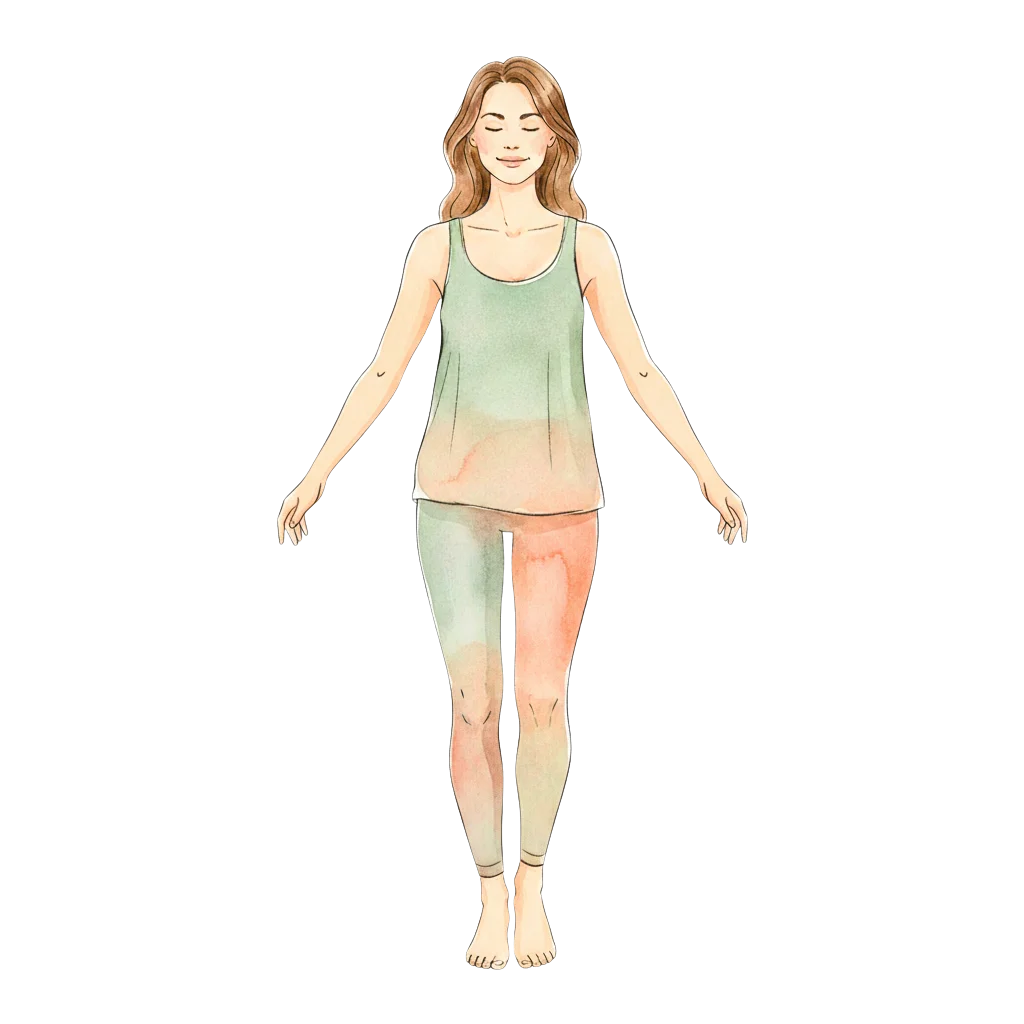
Tap body zones to discover connected symptoms and related conditions.
Join 86+ women discussing loss of attraction
Real experiences shared across Reddit, TikTok, and health forums
I don’t really enjoy men’s presence around me anymore, am I going crazy?
I don’t really enjoy men’s presence around me anymore, am I going crazy? No kidding, I’ve been lamenting about the fact that Im a heterosexual and would like to have a biological child in the future-...
"I no longer produce the hormones to trick me into giving a shit about men's needs."
Anyone having a hard time being impressed by or attracted to men lately?
Anyone having a hard time being impressed by or attracted to men lately? When was the last time a man impressed you?
Reading others' stories is the first step. Join to share yours.
Community
A safe space for women navigating loss of attraction
Frequently asked questions
Common questions about Loss of attraction
How we research and fact-check
Every article on Wellls is researched using peer-reviewed medical literature, clinical guidelines, and real patient experiences from 49 online discussions.
Sources: We reference 46 PubMed-indexed studies, ACOG/NAMS clinical guidelines, and validated screening tools.
Review: Content is written by our editorial team, enriched from a medical knowledge base of 15,000+ sources. All content follows our evidence-based editorial standards and is cross-referenced with clinical guidelines.
This content is for informational purposes only and does not constitute medical advice. Our editorial standards · Medical advisory board
References
46 sources reviewed for this loss of attraction guide
- 1.Justin P Dube et al. Emotion Regulation in Couples Affected by Female Sexual Interest/Arousal Disorder. [PubMed]
- 2.Laura Pietras et al. Closeness Discrepancies and Relationship Quality in German Partnered Women and Men. [PubMed]
- 3.Holly N Thomas et al. Body Image, Attractiveness, and Sexual Satisfaction Among Midlife Women: A Qualitative Study. [PubMed]
- 4.Jill M Wood et al. Negotiating sexual agency: postmenopausal women's meaning and experience of sexual desire. [PubMed]
- 5.Maria Del Carmen Carcelen-Fraile & Agustin Aibar-Almazan et al. Effects of Physical Exercise on Sexual Function and Quality of Sexual Life Related to Menopausal Symptoms in Peri- and Postmenopausal Women: A Systematic Review. [PubMed]
- 6.Leander van der Meij et al. Hormones in speed-dating: The role of testosterone and cortisol in attraction. [PubMed]
- 7.Lucia A Lara & Denisse Cartagena-Ramos et al. Hormone therapy for sexual function in perimenopausal and postmenopausal women. [PubMed]
- 8.
- 9.Susan R Davis et al. Global Consensus Position Statement on the Use of Testosterone Therapy for Women. [PubMed]
- 10.
History of updates
Current version (March 11, 2026) — Content reviewed and updated based on latest research
First published (February 10, 2026)
Explore related problems
Women who experience loss of attraction often also deal with these
Your personalized plan is ready
Now you understand WHY the spark changed. But understanding is not enough — you need the specific protocol. Unlock the Attraction Ecosystem plan: the responsive desire exercises that reignite physical connection, the 6-second hug protocol backed by oxytocin research, and the honest conversation script that 782 women used to finally tell their partner what changed without destroying them.
782 women are rebuilding their attraction ecosystem this month
Free assessment · Takes 2 minutes · No account required
Medical disclaimer: This content is for informational purposes only and does not constitute medical advice, diagnosis, or treatment. Always consult a qualified healthcare provider for personal medical decisions. Content is based on peer-reviewed research and updated regularly. Learn about our editorial standards.