Can anxiety cause memory lapses? Yes. Cortisol impairs hippocampal retrieval. In midlife women, hormonal shifts compound the effect.
Why Do I Keep Forgetting Things? Is This Normal?
62% of menopausal women report memory changes. Longitudinal studies show small but reliable declines in verbal memory during perimenopause that typically stabilize postmenopause.
“Is this my fucking life now?! I'm 34, can't work, can't walk far, do basic homework...”


Dr. A. Rybakova, Dr. A. Rybakov · Lifestyle Medicine
For informational purposes only. Not a substitute for professional medical advice.
You walked into the kitchen for something. You stood there. Blank. You walked back to the living room, and the moment you sat down, it returned: the scissors. You needed the scissors. This used to happen once a month. Now it happens three times a day, and you are starting to wonder whether something is genuinely wrong with your brain. The word for your colleague's daughter is gone. The appointment you made yesterday is gone. The thing you were saying mid-sentence is gone. Not slowly fading like an old photograph. Just gone, like someone reached into your head and plucked it out.
Key takeaways
- Can anxiety cause memory lapses?
- Cortisol impairs hippocampal retrieval.
- In midlife women, hormonal shifts compound the effect.
- cortisol_hippocampal_retrieval_impairment
The Science Behind Memory Problems in Your 30s and 40s
Can anxiety cause memory lapses? I hear this question constantly, and the answer is an unequivocal yes. But here is what nobody tells you: anxiety is rarely acting alone. In women between 30 and 50, memory lapses almost always sit at the intersection of chronic stress, shifting hormones, fragmented sleep, and mood disruption. These forces converge in midlife with a timing that feels cruel, and the cognitive experience they create can feel terrifyingly like early dementia. It is almost never dementia. I want to be clear about that from the first paragraph.
Can anxiety cause memory lapses severe enough to forget your own phone number? To lose a word you have used ten thousand times? To walk into a room and have no idea why? Yes. To all of it. The mechanism is straightforward: cortisol floods the hippocampus, the brain region responsible for encoding and retrieving memories, and it does so with a precision that targets exactly the cognitive functions you rely on most. But here is the part that matters: this is reversible. Not with a supplement. Not with a meditation app. With a specific, layered approach that addresses the biology driving the problem.
I have spent years reading the research on anxiety, memory, and hormonal change in midlife women. What strikes me most is the gap between what science knows and what women are actually told. Your doctor probably will not connect your memory lapses to your anxiety, your anxiety to your sleep, or your sleep to your estrogen levels. But the research does. And once you see that connection, the fog starts to make sense. So yes, can anxiety cause memory lapses? Absolutely. And it is almost certainly not the only thing happening.
How anxiety hijacks your memory retrieval system
Chronic anxiety floods the hippocampus with cortisol. The hippocampus is the brain region responsible for memory encoding and retrieval, and it is densely packed with cortisol receptors. Under sustained stress, cortisol impairs the retrieval of already-formed memories, which is why you forget the word you used yesterday, the name of someone you have known for years, or what you walked into the kitchen for. This is not a storage problem. Your memories are still there. Your brain simply cannot access them under biochemical siege.
I think this distinction matters more than most clinicians realize. When women ask can anxiety cause memory lapses, they are really asking whether their brain is breaking. It is not. Lupien's cortisol neurotoxicity research, published across two decades of work at McGill, demonstrates that chronic stress exposure literally reshapes hippocampal neurons. The dendrites retract. The connections thin out. But here is the critical finding that never makes it into the headlines: this remodeling is reversible when cortisol levels normalize. Not quickly. Not overnight. But measurably, reliably reversible.
The problem is that for most women in their 30s and 40s, cortisol levels do not normalize because the sources of chronic anxiety do not go away. The job, the children, the relationship, the financial pressure, the undiagnosed hormonal shift. Cortisol stays elevated. The hippocampus stays impaired. And the memory lapses continue until someone addresses the upstream cause rather than the downstream symptom.
I have watched women spend months convinced they have early-onset Alzheimer's when what they actually have is untreated anxiety disorder compounded by perimenopausal hormone changes. The fear itself generates more cortisol, which worsens the memory problems, which deepens the fear. I have never seen a more perfectly designed feedback loop. Can anxiety cause memory lapses? Yes. Can the fear of memory lapses cause more anxiety? Also yes. Breaking that cycle requires understanding it first.
What estrogen was quietly doing for your memory all along
Estrogen receptors ERalpha and ERbeta are distributed throughout the hippocampus, prefrontal cortex, and anterior cingulate cortex. Estrogen enhances neuroplasticity, supports neurotransmitter systems including serotonin and dopamine, and modulates gene expression related to cognitive function. When estrogen levels decline in perimenopause, the entire cognitive ecosystem shifts. This is not a metaphor. Maki and Jaff's 2022 clinical review identifies the menopause transition as a period of heightened vulnerability for verbal memory, processing speed, and attention.
So when women ask can anxiety cause memory lapses, I often have to give them a more complicated answer than they expect: yes, anxiety can cause memory lapses, and the hormonal changes happening simultaneously make those lapses worse. Estrogen does not just support mood. It is a direct cognitive enhancer. It supports the release of acetylcholine, the neurotransmitter most critical for memory formation. When estrogen drops, acetylcholine production drops with it. Your brain literally has less of the chemical it needs to form and retrieve memories.
I find it infuriating that most women learn this from a TikTok video rather than from their physician. The SWAN longitudinal study, which followed thousands of women through the menopausal transition, documented measurable declines in verbal memory and processing speed during perimenopause. These declines were not explained by aging alone. They were specifically tied to the hormonal transition. And for most women, they stabilized or partially reversed in postmenopause.
The practical implication is this: if you are in perimenopause and experiencing memory problems, you are likely dealing with a compound effect. Anxiety is impairing your hippocampal retrieval. Estrogen decline is reducing your neuroplasticity and neurotransmitter support. Sleep disruption, which is both a cause and a consequence of anxiety, is undermining memory consolidation. These three forces together produce memory lapses far more severe than any one of them would alone. Understanding that compound effect is the first step toward addressing it.
Key mechanisms
Deep scientific content for Memory problems is coming in Wave 3.
Our team is reviewing research papers and clinical guidelines.


Talk to Dr. Wellls — free consultation
4 free messages — no account required
Dr. Wellls AI
Quick start — tap or speak:
Powered by Lifestyle Medicine evidence. Not a substitute for medical advice.
You're Not Alone
women are talking about memory problems right now
Thousands of women have been through the same thing. Here's what they say.
“Honestly scared. Cognitive issues...”
“How bad can memory be with peri-menopause?”
“Is this my fucking life now?! I'm 34, can't work, can't walk far, do basic homework... I had to book an appointment for a sight test because my eyes have changed yet again and I forgot some of the letters in my name. I'm so frustrated with myself.”
+ 2 more stories from real women
Understanding Your Memory Changes
A brief check to understand what is happening to your memory, whether hormones or stress are driving it, and what actually helps.
3,053 women got their profile this month
Free · 5 min · 100% private
This is not a clinical assessment. For medical concerns, consult a healthcare provider.
Take a moment for yourself
These evidence-based techniques can help manage memory problems symptoms right now.
Curated Exercise Sets
4 personalized routines with 16 exercises from professional trainers

The many faces of memory problems
4 distinct patterns we've identified from real women's experiences
Can anxiety cause memory lapses? The answer is not just yes. It is yes, and here is the exact circuit. Anxiety floods your prefrontal cortex with cortisol, which degrades working memory, the mental workspace where you hold information while using it. You forget the word, you forget why you walked into the room, and then the forgetting itself becomes another thing to be anxious about.
From our data
This number deserves to land: a narrative review published in Menopause found that anxiety disorders affect nearly 30% of adults, and that anxiety-related memory impairment specifically targets the consolidation of memory and the retrieval process. It does not destroy the memory. It blocks access to it.
Connected problems
What women with memory problems also experience
Your personalized protocol
A lifestyle medicine approach to memory problems, built on 6 evidence-based pillars
Sleep and baseline
Optimize sleep: consistent bedtime, dark cool room, no screens 60 min before bed. Begin tracking cognitive patterns. Start daily omega-3 supplementation (EPA+DHA combined 1-2g) for brain membrane support.
Exercise protocol for cognition
Establish 150 minutes per week of moderate aerobic exercise. Add 2 sessions of resistance training. Both improve BDNF expression, cerebral blood flow, and cognitive performance in midlife women. The SWAN data supports this as the strongest single intervention.
Stress and anxiety management
Begin structured stress management: daily 10-minute meditation, CBT exercises for anxious thought pa...
Nutritional brain support
Review diet for brain-supporting nutrients: omega-3s, B vitamins (B6, B12, folate), vitamin D, magne...
Hormonal evaluation and long-term plan
If lifestyle changes have not produced sufficient improvement, pursue hormonal evaluation. HRT durin...
1,892 women explored their cognitive health plan this month
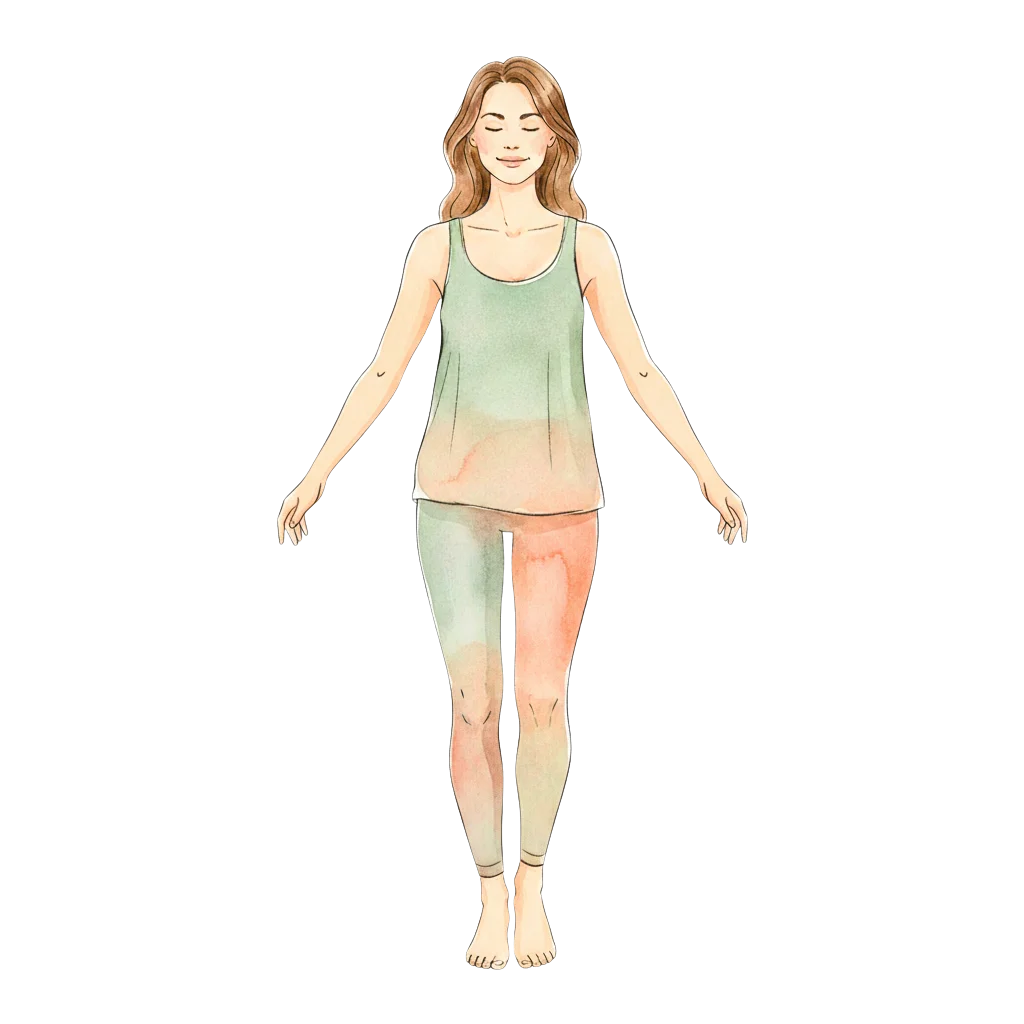
Start your protocolHow Memory problems affects your body
Tap body zones to discover connected symptoms and related conditions.
Join 77+ women discussing memory problems
Real experiences shared across Reddit, TikTok, and health forums
Didn't work for my mom. She jogged daily all her adult life, read incessantly, did daily crossword puzzle, ate healthy - did all the things they claim will prevent dementia. She got Alzheimers at age...
Menopause linked to Alzheimer's-like brain changes
Menopause linked to Alzheimer's-like brain changes
Honestly scared. Cognitive issues…
Honestly scared. Cognitive issues…
Reading others' stories is the first step. Join to share yours.
Community
A safe space for women navigating memory problems
Frequently asked questions
Common questions about Memory problems
How we research and fact-check
Every article on Wellls is researched using peer-reviewed medical literature, clinical guidelines, and real patient experiences from 24 online discussions.
Sources: We reference 49 PubMed-indexed studies, ACOG/NAMS clinical guidelines, and validated screening tools.
Review: Content is written by our editorial team, enriched from a medical knowledge base of 15,000+ sources. Evidence standards and clinical methodology guided by our Medical Advisory Board: Dr. Alexandra Rybakova and Dr. Alexander Rybakov, Lifestyle Medicine Physicians with 35+ years combined clinical practice.
This content is for informational purposes only and does not constitute medical advice. Our editorial standards · Medical advisory board
References
49 sources reviewed for this memory problems guide
- 1.Maki PM & Jaff NG Menopause and brain fog: how to counsel and treat midlife women
- 2.Coskun M Cognitive Changes in Menopause: Comparative Analysis
- 3.Hirsch HM (Brigham/Harvard) Brain Fog in Perimenopause
- 4.Cho JM et al. Beyond Hot Flashes: Estrogen Receptors in Menopausal Mental Health
- 5.Increased Alzheimer's risk during menopause transition: 3-year imaging
- 6.Mosconi L The Menopause Brain
- 7.Dr. Lisa Mosconi: Menopause, Brain Fog, and Cognitive Health
- 8.Mosconi L The XX Brain
- 9.Menopause and cognitive impairment: narrative review
- 10.Seitz J et al. Impact of sex and reproductive status on memory circuitry
History of updates
Current version (March 11, 2026) — Content reviewed and updated based on latest research
First published (March 7, 2026)
Explore related problems
Women who experience memory problems often also deal with these
Your personalized plan is ready
You have spent enough time Googling 'am I getting dementia' at 2 AM. You are not. But the anxiety, the hormonal shifts, and the sleep disruption driving your memory changes are all addressable. Inside, you will find the exact neuroscience behind what is happening, a protocol built from studies tracking thousands of midlife women, and an Dr. Wellls who understands the difference between brain fog and neurodegeneration.
1,892 women explored their cognitive health plan this month
Free assessment · Takes 2 minutes · No account required
Medical disclaimer: This content is for informational purposes only and does not constitute medical advice, diagnosis, or treatment. Always consult a qualified healthcare provider for personal medical decisions. Content is based on peer-reviewed research and updated regularly. Learn about our editorial standards.